

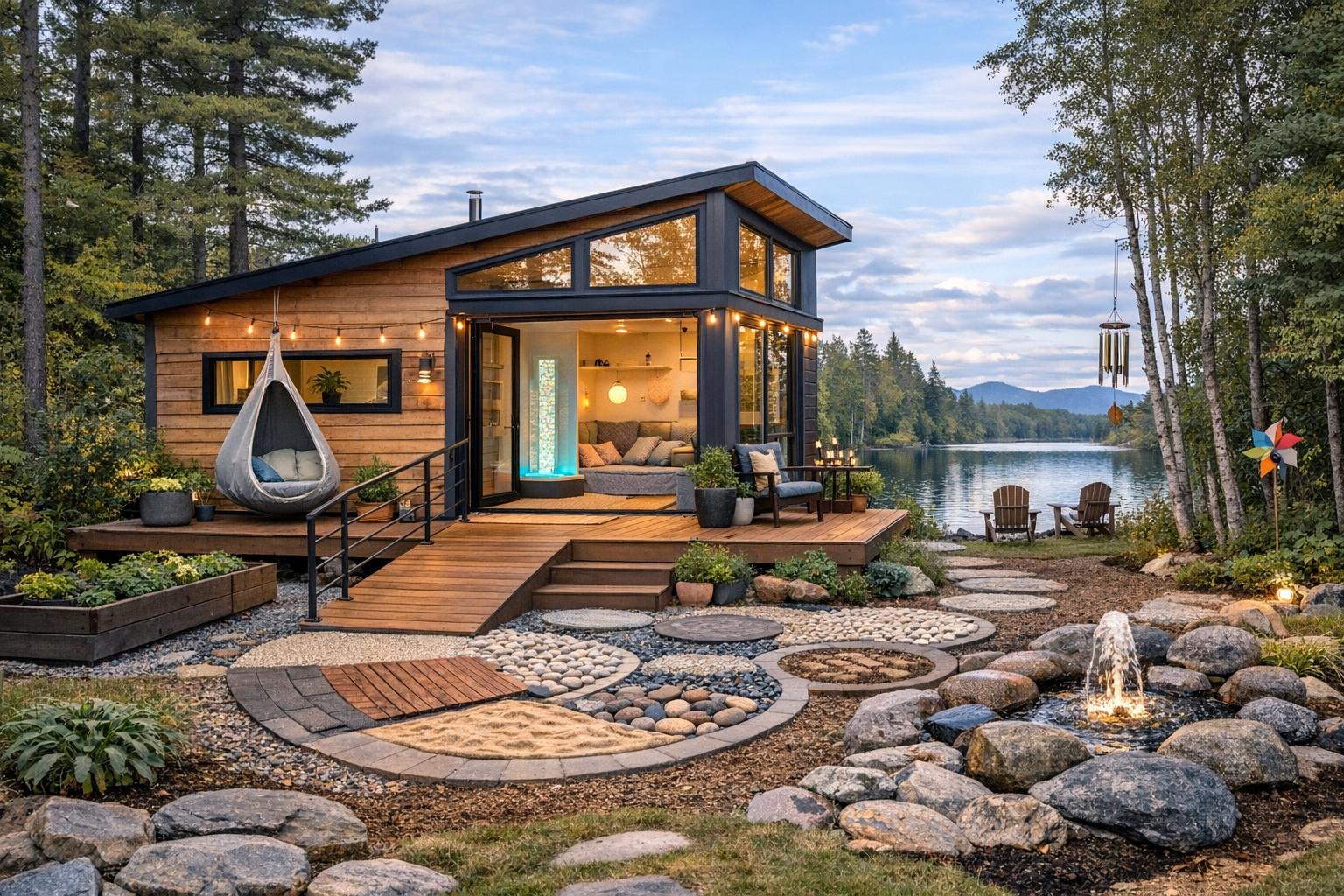
Sensory-Friendly Tiny Home Design: Canada’s Next Step Toward Accessible Living in 2026
Estimated reading time: 8 minutes
Key Takeaways
- Innovative Accessibility: Sensory-friendly tiny home designs tailor environments to neurodivergent needs, ensuring comfort and independence.
- Thoughtful Design Elements: Adjustable lighting, sound management, tactile materials, and clear spatial organization are central to these designs.
- Adaptive Canadian Solutions: Local builders and suppliers are integrating accessibility and sustainable techniques to meet varied needs.
- Smart Home Integration: Modern automation, such as remote-controlled lighting and thermostats, enhances comfort and security.
- Sustainable & Inclusive: These designs emphasize non-toxic materials, energy efficiency, and adaptive layouts that support multi-generational living.
Table of contents
- Introduction: A New Era of Sensory-Friendly Tiny Home Design in Canada
- Understanding Neurodivergence and Sensory Needs
- Core Principles of Sensory-Friendly Tiny Home Design
- Accessibility in Tiny Home Design: Canadian Considerations
- Design Strategies and Products for Sensory-Friendly Tiny Homes
- Tiny Home Design Trends & Considerations in Canada
- Case Studies: Sensory-Friendly & Accessible Tiny Homes in Action
- Conclusion: The Future of Sensory-Friendly Tiny Home Design in Canada
- Frequently Asked Questions
Introduction: A New Era of Sensory-Friendly Tiny Home Design in Canada
In 2026, sensory-friendly tiny home design is emerging as a powerful solution for Canadians seeking accessible, sustainable, and supportive living spaces. Demand is rising for compact homes that deliver comfort and independence—especially for neurodivergent individuals who experience the world in unique sensory ways. Canadian innovators are ensuring that tiny homes not only maximize space but also cater to the sensory needs of every resident.
This guide explains what makes a tiny home truly sensory-friendly, explores accessible features, and showcases products, strategies, and Canadian resources tailored for neurodivergent families. For more on maximizing small living spaces with smart design, see this resource.
Understanding Neurodivergence and Sensory Needs
The Neurodivergent Experience
Neurodivergent people include those with autism, ADHD, and sensory processing differences. They may exhibit heightened or reduced sensitivity to light, sound, touch, and other factors. For example, a child with autism could find:
- Bright overhead lights painful or distressing.
- Everyday appliance noises, such as a fridge’s hum, overwhelming.
- Certain textures on clothing or bedding deeply uncomfortable.
These responses reflect the brain’s unique processing and are not merely “picky” preferences. In compact living, such sensory input can be magnified.
“Children with autism may find bright overhead lights harsh, appliance hums deafening, or certain textures deeply uncomfortable.”
Sensory Needs in Tiny Homes
A sensory-friendly design in a tiny home allows occupants to manage sensory inputs through thoughtful visual, tactile, auditory, and spatial solutions. For additional design tips on compact living spaces, explore this guide.
Core Principles of Sensory-Friendly Tiny Home Design
Lighting Control: Preventing Sensory Overload
Lighting is pivotal. In sensory-sensitive environments, features like adjustable LED bulbs, dimmer switches, blackout curtains, and skylights offer control over brightness and ambiance.
“Harsh fluorescent bulbs can trigger sensory overload. LED bulbs with adjustable settings allow customization.”
Sound Management: Reducing Echoes and Noise
Managing acoustics is essential in tiny homes. Soft furnishings, acoustic panels, quiet appliances, and white noise machines can greatly reduce sensory disturbances.
“Soft furnishings like rugs and curtains naturally absorb sound and reduce echoes.”
For further details on soundproofing strategies, visit this resource.
Texture and Materials: Creating a Comfortable Space
Selecting non-irritating, hypoallergenic materials—like smooth cotton bedding and bamboo flooring—ensures tactile comfort. Weighted blankets and soft, tag-free furnishings add to the sensory-friendly environment.
More on sensory-friendly materials can be found at this source.
Spatial Organization and Clutter Reduction
Clear zones, vertical storage, differentiated activity areas, and multipurpose furniture help in reducing clutter and guiding occupants intuitively through the space.
“Clear, uncluttered layouts support sensory regulation and ease of navigation.”
Discover minimalist living strategies at this guide.
Dedicated Sensory Break Spaces
Even small homes benefit from a designated quiet corner—furnished with soft lighting, comfortable seating, and calming sensory tools like fidget toys and weighted blankets.
“A quiet corner with sensory tools allows occupants to retreat when overwhelmed.”
Accessibility in Tiny Home Design: Canadian Considerations
Physical Accessibility for Canadian Tiny Homes
Accessible tiny home design in Canada focuses on mobility and sensory needs. Features such as wider doorways, zero-threshold entries, ramps, non-slip flooring, reinforced grab bars, and motorized blinds ensure safety and convenience—especially in challenging weather.
“Wheelchair accessibility and non-slip flooring prevent falls and provide stability.”
Explore more accessible design options at this resource.
Adaptive Features That Foster Independence
Simple adaptations—like lowered hooks, visual schedules, adaptive equipment, and flexible kitchen designs—empower individuals to manage daily routines independently.
Learn more about adaptive features through this case study or watch this demonstration.
Colour-Coding Systems for Neurodivergent Users
Using distinct colours to designate areas—like green for the kitchen or blue for the bathroom—not only organizes space but also aids in wayfinding and reduces anxiety.
“Colour-coding helps occupants understand spatial expectations.”
Design Strategies and Products for Sensory-Friendly Tiny Homes
Smart Home Devices for Accessibility and Comfort
Integrating technology in tiny home designs enhances both accessibility and sensory comfort. Automated lighting, smart thermostats, push-button door openers, and remote monitoring bring convenience and adaptive control to everyday living.
For advanced smart home solutions specifically for ADUs, visit this resource.
Sensory-Friendly Products and Materials
Products such as peel-and-stick acoustic panels, weighted blankets, low-EMF appliances, and non-toxic, low-VOC finishes play a significant role in creating a healthful indoor environment.
Canadian Suppliers and Builders Specializing in Sensory-Friendly and Accessible Tiny Homes
- Minimaliste: A Canadian retailer offering custom, all-weather tiny homes with full accessibility features.
- Tiny Homes in Canada: Custom builders providing low-EMF and non-toxic housing designs for sensitive clients.
- Ben Garratt’s Tiny Healthy Homes: Specializes in homes built with repurposed, low-EMF materials for optimal health.
- TIMBER MART: Offers adaptable floor plans suited to Canadian climates, with a focus on accessibility and comfort.
For further guidance on choosing a reliable builder, check out this guide.
Tiny Home Design Trends & Considerations in Canada
Regulatory Landscape & Market Growth
The growth of the tiny home sector in Canada is driven by urban housing challenges, sustainable living initiatives, and increasing demand for accessible housing. Considerations include local zoning bylaws, building code compliance, and climate-specific adaptations.
For the latest on permits and zoning, visit this guide.
Environmental Sustainability and Community Well-Being
Tiny homes naturally reduce ecological footprints by using less energy for heating and cooling, repurposing materials, and integrating renewable technologies like solar panels. They also support community initiatives for multigenerational living and accessible housing.
“Tiny home designs support multigenerational families and aging-in-place scenarios.”
For comprehensive sustainable housing strategies, see this resource.
Case Studies: Sensory-Friendly & Accessible Tiny Homes in Action
Elderly and Mobility-Friendly Tiny Home (Living Big In A Tiny House)
Featured in the Living Big In A Tiny House series, this dwelling offers step-free entrances, reinforced support rails, widened doorways, non-slip flooring, and motorized blinds designed for both aging individuals and neurodivergent occupants.
Canadian Low-Toxin, Low-EMF Tiny Homes for Sensory Sensitivities
Builders like Tiny Homes in Canada and Tiny Healthy Homes specialize in using repurposed, non-toxic materials and low-electromagnetic housing technologies, ensuring a safe and adaptive environment.
Conclusion: The Future of Sensory-Friendly Tiny Home Design in Canada
The evolution of sensory-friendly tiny home design is shaping Canada’s future of accessible and sustainable living. Integrating key elements such as adjustable lighting, sound management, thoughtful textures, clear spatial organization, and smart technologies makes these homes ideal for neurodivergent individuals and families.
Canadian builders, innovative design strategies, and proactive regulations are paving the way for a new era of inclusive living. Whether you are considering tiny home living as your primary residence or a supportive in-law space, now is the time to explore these forward-thinking solutions.
Ready to take the next step? Connect with local experts and explore resources designed to create a safe and empowering tiny home environment.
Frequently Asked Questions
Q1: What makes a tiny home sensory-friendly?
A1: Sensory-friendly tiny homes incorporate adjustable lighting, soundproofing, non-irritating materials, clear spatial layouts, and designated quiet zones to support neurodivergent and sensory-sensitive occupants.
Q2: Are these designs customizable for individual needs?
A2: Yes, many Canadian builders offer fully customizable designs that include adaptive features, enabling personalization for mobility, sensory needs, and overall comfort.
Q3: Where can I find reliable builders specialized in these designs?
A3: Resources such as Tiny Home Builder Canada Guide and suppliers like Minimaliste provide detailed information and contacts for specialized builders.
Leave a Reply