

Estimated reading time: 8 minutes
Key Takeaways
- Prefab tiny homes offer a fast, efficient, and sustainable alternative to traditional housing in Canada.
- Factory-built construction ensures consistency, energy efficiency, and quality control.
- Importing these homes requires strict adherence to customs and compliance regulations.
- Proper budgeting is essential with hidden costs including fees, duties, and inspections.
- Expert brokers and forwarders can help smooth the import process and avoid delays.
Table of contents
Prefab Tiny Home Imports Canada – What You Need to Know in 2026
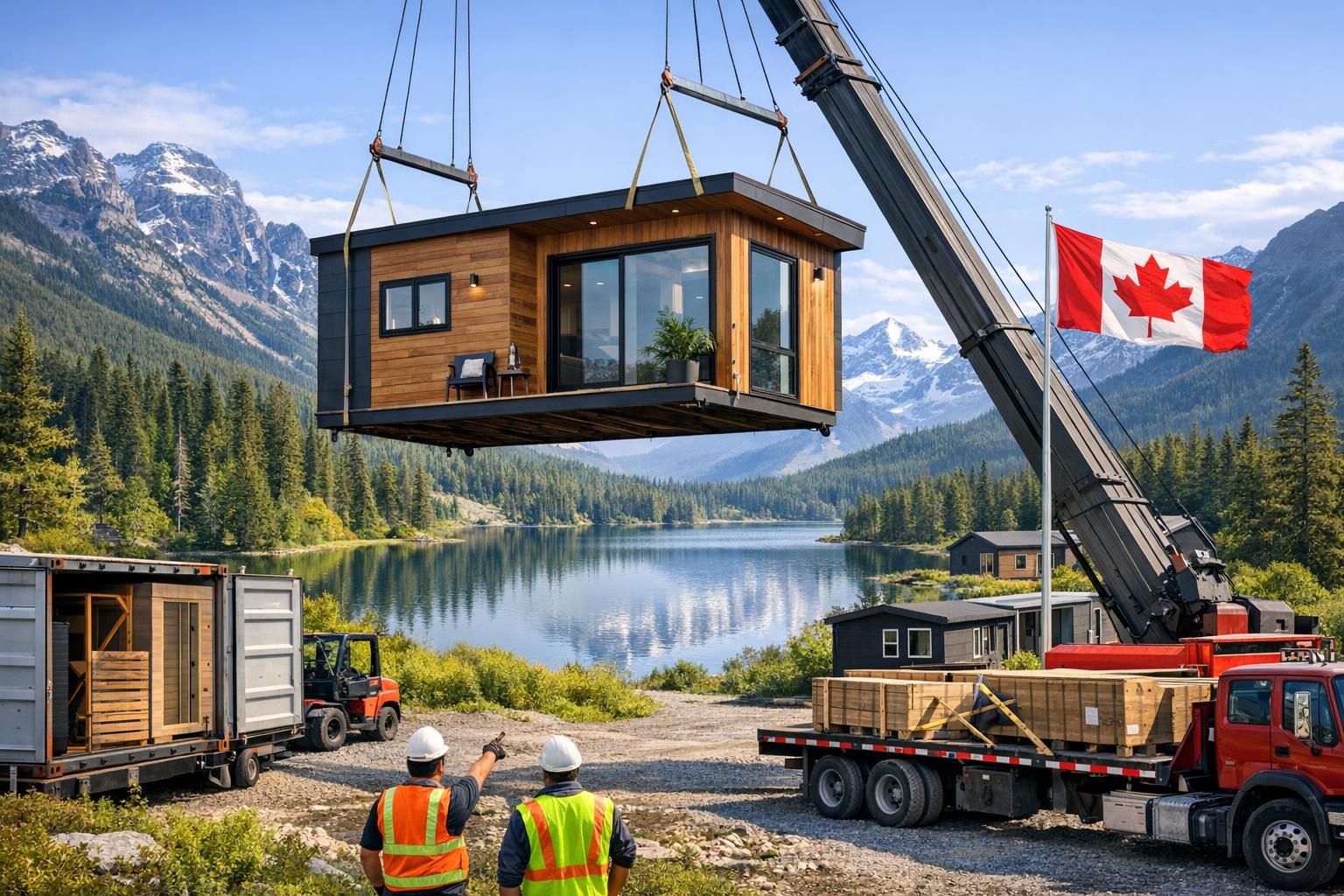
Prefab tiny home imports Canada are gaining popularity in 2026 as an innovative solution to soaring housing costs. With affordability, a minimalist aesthetic, and sustainability at the forefront, prefab tiny homes are becoming a compelling alternative to conventional builds.
Built offsite in controlled factory settings, these homes are delivered almost fully constructed, empowered by stringent quality controls and customizable designs. Importing them, however, involves navigating complex customs requirements and ensuring full compliance with Canadian standards, ultimately safeguarding your investment from costly delays and unforeseen expenses.
For in-depth market data, check out Coherent Market Insights – Tiny Homes Market and the insights from IBISWorld – Prefab Home Manufacturing Canada.
What Are Prefab Tiny Homes? – Prefab Import & Tiny Home Explained
Prefab tiny homes—sometimes referred to as modular or pre-manufactured homes—are compact dwellings assembled in factories for quick installation on-site. With most units under 500 square feet, they boast:
- Factory Construction: Assures consistent quality and performance.
- Size Efficiency: Ideal for mobility and minimalism.
- Quick Assembly: Nearly complete upon arrival, reducing build time.
- Energy Efficiency: Often designed to meet standards like the CSA Z240 MH Series.
- Prefab Import: Sourced from the U.S. or Europe, they address growing Canadian demand.
When comparing prefab import with site-built homes, the advantages include minimized weather delays and streamlined compliance with known standards such as those set by the Canadian Standards Association (CSA).
The Prefab Import Process: Step-by-Step Overview
Understanding each stage of the import process can help you avoid bottlenecks and unnecessary expenses. Here’s a step-by-step guide to ensure your prefab tiny home import into Canada is successful:
Step 1: Selecting a Compliant Manufacturer
- Choose Wisely: Pick a manufacturer known for meeting Canadian compliance.
- Review Standards: Ensure adherence to guidelines such as the CSA Z240 MH Series.
- Ask for References: Prior Canadian projects and testimonials build credibility.
Step 2: Arranging International Freight
- Freight Forwarders: Engage with reputable shippers experienced in high-value, oversize shipments.
- Document Collection: Secure complete commercial invoices, bills of lading, and certificates of origin.
- Attention to Detail: Accurate paperwork is essential to avoid border delays.
Step 3: Clearing Customs with CBSA
- Customs Declaration: Submit all documents to the Canada Border Services Agency.
- Duties & Taxes: Understand that a 5–10% duty along with GST/PST will likely apply.
- Leverage Experts: A customs broker can streamline the process and ensure full compliance.
Step 4: Provincial Building Inspections
- Certify Compliance: Your home must pass local building inspections to verify adherence to all standards.
- Obtain Certifications: Ensure necessary CSA stamps and local permits are secured.
For more detailed reading, visit IBISWorld – Prefab Home Import Process and insights from Cognitive Market Research.
Customs Regulations and Requirements – Customs & Prefab Tiny Home Imports Canada
Canada’s customs environment for prefab tiny home imports is highly regulated, demanding strict compliance to avoid delays or penalties. Key documentation includes:
- Commercial Invoice: Clearly details the manufactured home’s specifications and value.
- Bill of Lading: Outlines the shipping details and transport logistics.
- Certificate of Origin: Verifies where the home was produced and aids in tariff benefit claims.
- Proof of Compliance: Certification that the home meets Canadian standards.
Duties usually range from 5–10%, with additional GST and provincial taxes applying. For a more detailed breakdown of these fees, explore IBISWorld – Canadian Prefab Home Import Duties.
Canadian Compliance Standards for Tiny Homes – Canadian Compliance & Tiny Home Regulations
After import, ensuring adherence to the National Building Code of Canada and provincial regulations is critical. Key points include:
- National Building Code: All prefab tiny homes must follow these standards, which can be further adapted by local authorities.
- Energy Efficiency & Fire Safety: Compliance with “Step Code” criteria and proper installation of safety features is mandatory.
- CSA Z240 MH Series: Specific for movable or modular homes, this standard addresses Canada’s unique climate challenges.
- Post-Import Certification: Third-party inspections guarantee that energy, fire, and structural standards have been met.
For further guidelines, read more on Coherent Market Insights – Compliance and IBISWorld – Canadian Regulations.
Costs Associated with Prefab Import – Prefab Import & Financial Breakdown
Budgeting for a prefab tiny home import requires understanding both upfront and hidden costs. The main areas include:
- Home Purchase Price: Typically ranges between CAD 50,000 to 150,000.
- Shipping Costs: Estimated between CAD 5,000 to 20,000 depending on distance and weight.
- Customs Duties & Taxes: Usually a 5–10% duty in addition to GST and provincial sales taxes.
- Compliance & Certification Fees: May add an extra CAD 2,000 to 10,000.
- Broker & Logistics Fees: Approximately CAD 1,000 to 5,000 for professional assistance.
- Contingency Buffer: It is wise to set aside an additional 20–30% of your total budget for any unexpected costs.
| Item | Low Estimate (CAD) | High Estimate (CAD) |
|---|---|---|
| Home Purchase | 50,000 | 150,000 |
| Shipping | 5,000 | 20,000 |
| Duties & Sales Taxes (13%) | 7,150 | 22,100 |
| Compliance/Certification | 2,000 | 10,000 |
| Broker/Logistics Fees | 1,000 | 5,000 |
| TOTAL | 65,150 | 207,100 |
For detailed cost analysis, refer to Cognitive Market Research – Import Costs and additional financial breakdowns on industry sites.
Practical Tips for a Smooth Import in 2026 – Prefab Import & Canadian Compliance Success
Following these actionable steps can help you manage the complexity of importing your prefab tiny home:
- Choose Reputable Manufacturers: Research suppliers’ experience and check for references or certifications.
- Hire Professional Brokers: Engage customs brokers and freight forwarders who are familiar with the process.
- Time Your Import: Avoid harsh weather and peak seasons by planning your shipment for late spring or early fall.
- Ensure Compliance: Obtain pre-shipment audits and written pre-approvals from local building authorities.
- Budget for Contingencies: Set aside additional funds for unexpected delays or fees.
Discover more tips at Mint Tiny House – Manufacturer Choice and further advice from Cognitive Market Research.
Conclusion: Streamlining Prefab Tiny Home Imports Canada
Prefab tiny home imports offer a practical solution to Canada’s housing challenges. With careful planning—from manufacturer selection and customs clearance to compliance and budgeting—your prefab home can be a cost-effective, sustainable living option. Investing time in research, leveraging expert help, and understanding every regulatory step ensures a smooth import experience in 2026 and beyond.
For further guidance, refer to resources such as the Coherent Market Insights – Tiny Homes Market and governmental guidelines provided by the Canada Border Services Agency.
Frequently Asked Questions
Q1: What makes prefab tiny homes a viable option for Canadians?
A: Prefab tiny homes are built in controlled factory environments which ensure quality, speed, and efficiency in meeting energy and safety standards. Their modular nature allows for quick assembly and custom design, making them an attractive, cost-effective alternative to traditional construction.
Q2: How do customs regulations impact the import process?
A: Strict documentation and adherence to Canadian standards are critical. Compliance with commercial invoicing, bills of lading, and certificates of origin ensures smooth clearance by the Canada Border Services Agency, while working with experienced brokers minimizes delays and unexpected duties.
Q3: Are there any unexpected costs to consider?
A: Yes, aside from the home purchase and shipping costs, you need to budget for duties, taxes, compliance certifications, inspection fees, broker services, and an additional contingency buffer of around 20–30% to cover any unforeseen expenses.
Leave a Reply