

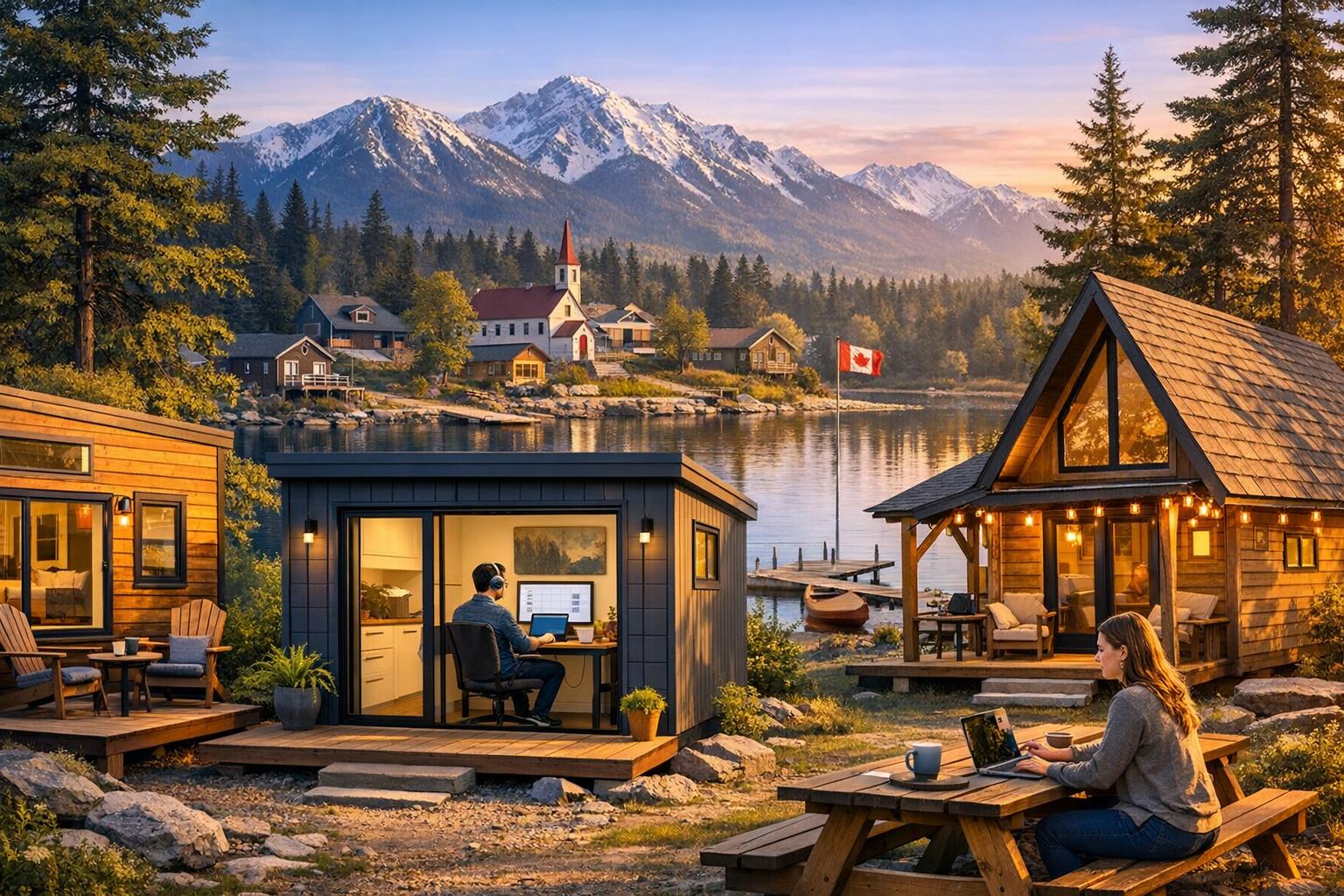
How Small Canadian Towns Can Attract Remote Tech Talent with Tiny Homes and ADUs
Estimated reading time: 5 minutes
Key Takeaways
- Innovative Housing Options: Tiny homes and ADUs provide flexible, modern living spaces that appeal to remote tech talent.
- Economic Revitalization: Small towns can boost local economies by attracting professionals with high purchasing power.
- Infrastructure Upgrades: Enhanced broadband and updated zoning are critical to support remote work needs.
- Quality of Life: Affordable, energy-efficient housing coupled with community resources improve overall living standards.
Table of Contents
Introduction: Remote Work and the New Labour Landscape
Remote work is transforming Canada’s workforce with an estimated 30% of Canadian workers operating remotely by 2026, according to Future Remote Work Canada. This evolution positions remote tech talent as a key demographic—professionals who now have the freedom to choose their living environment beyond traditional urban centers.
Despite the promise of remote work, small towns face challenges:
- Limited housing choices: Many available options are outdated or not equipped for modern remote work.
- An aging housing stock that lacks energy efficiency and modern amenities.
- Affordability challenges as demand increases with urban-to-rural migration.
To address these obstacles, communities are turning to innovative housing solutions such as tiny homes and Accessory Dwelling Units (ADUs) to help attract and accommodate remote tech professionals.
Understanding Remote Tech Talent: Who They Are and What They Need
What Is Remote Tech Talent?
Remote tech talent encompasses software developers, data scientists, UX designers, cybersecurity experts, product managers, and other technology professionals who leverage digital tools to work from anywhere. Insights from Digital Nova Scotia and Northeastern Toronto emphasize that these experts are not only highly skilled but also selective about their living and working conditions.
What Do Remote Tech Workers Need?
- Fast, reliable broadband: Critical for video conferencing, coding, and cloud collaboration.
- Modern, affordable Canadian housing: Homes should be energy-efficient with designated workspaces.
- Work-life balance: Proximity to nature and quiet neighborhoods adds value.
- Community and social services: Opportunities for networking, wellness, and cultural activities enhance the appeal.
For more on creating effective workspaces, see ADU offices and backyard workspaces boost remote work productivity.
Why Are Small Towns Appealing to Remote Tech Talent?
- Lower cost of living: Housing and daily expenses are significantly reduced compared to urban centres.
- Enhanced quality of life: Enjoy cleaner air, reduced congestion, and a closer-knit community.
- Fewer distractions: A more focused environment can boost productivity.
Challenges Small Towns Face in Attracting Remote Tech Talent
Housing and Affordability
Many small towns struggle with a shortage of modern, flexible rental units. Aging properties and limited options can hinder their ability to meet the housing demands of remote professionals. As highlighted by Future Remote Work Canada, these challenges are significant.
Infrastructure Limitations
- Inconsistent broadband coverage: Crucial for digital work, yet many rural areas remain under-connected.
- Limited cellular service: Poor connectivity further discourages potential residents.
- Few co-working spaces: Lack of professional hubs diminishes networking opportunities.
To explore broader housing strategies, visit Affordable Housing: Innovative Solutions and Practical Strategies for Budget-Friendly Homes.
Innovative Housing Solutions: Tiny Homes and ADUs
Tiny Homes: Compact, Efficient, and Modern
Tiny homes are compact residences typically under 400 square feet, designed for maximum efficiency with movable or permanent setups. They offer modern amenities such as energy-efficient appliances and high-speed internet. For expert tips, check out Tiny Home Design in Canada: Expert Tips for Maximizing Small Living Spaces.
Accessory Dwelling Units (ADUs): Flexible Extra Housing
ADUs are additional residential units built on the same lot as a primary home. They include options like basement suites, over-garage apartments, or detached cottages. For more detailed guidance on ADUs, visit Accessory Dwelling Units: The Ultimate Guide to ADUs for Canadian Property Investment.
Both housing solutions enhance local inventory, affordability, and offer appealing living conditions for tech professionals.
Zoning and Community Adoption
Successful adoption of tiny homes and ADUs requires updated zoning regulations, strict code compliance, and proper infrastructure planning. For more on this, see Canadian ADU Regulations: A Comprehensive Provincial Guide.
Leveraging Tiny Homes and ADUs: Action Plan for Attracting Remote Tech Talent
The following strategic actions can help small towns attract remote tech talent:
- Modernize Zoning and Approvals: Legalize ADUs in residential districts and permit tiny homes in designated zones, using pre-approved designs to expedite processes.
- Align Housing with Economic Development: Include remote work requirements in community plans and offer incentives like reduced permitting fees or municipal grants.
- Invest in Digital and Community Infrastructure: Upgrade broadband networks, create co-working hubs, and provide public Wi-Fi to facilitate a robust digital environment. For additional insights, visit Best Internet for Tiny Homes in Canada: Your 2025 Guide.
- Brand and Market the Community: Rebrand small towns as tech-friendly havens, showcasing their modern housing options and quality lifestyle to attract remote professionals.
Economic and Community Benefits: Why Small Towns Should Build for Remote Tech Talent
Local Economic Growth
- Increased local spending: New residents with robust incomes boost local businesses and services.
- Expanded tax revenues: A higher housing stock means additional funds for community improvements.
Population Renewal and Stabilization
- Attracting younger demographics: Remote tech talent and their families help reverse rural depopulation.
- Strengthened community services: More residents lead to improved schools, clinics, and cultural programs.
Innovation and Diversification
Embracing remote tech talent spurs local innovation, encouraging the growth of tech startups, creative enterprises, and supportive community networks.
Long-Term, Virtuous Cycle
Improved incomes and infrastructure pave the way for further development, creating a sustainable cycle of growth and innovation in small towns.
Conclusion: A Blueprint for Small Town Renewal
Canada is on the brink of a transformation as remote work redefines employment. Small towns have a unique opportunity to attract remote tech talent by investing in innovative housing solutions like tiny homes and ADUs. By updating zoning laws, enhancing digital infrastructure, and promoting community engagement, these towns can secure a vibrant economic future. For a deeper analysis of these trends, read more here.
Frequently Asked Questions
Q1: Why are tiny homes and ADUs ideal for remote tech talent?
A1: They provide affordable, flexible, and modern living spaces that meet the high standards of remote tech professionals.
Q2: How can small towns improve infrastructure to attract these professionals?
A2: Upgrading broadband connectivity, establishing co-working spaces, and ensuring robust cellular service are essential steps.
Q3: What is the role of updated zoning regulations in this initiative?
A3: Updated zoning rules facilitate the approval and construction of tiny homes and ADUs, streamlining the process to meet rising housing demands.
Q4: Where can I find more information about remote work trends in Canada?
A4: For detailed insights, visit Future Remote Work Canada and other reputable sources in the tech and housing sectors.
Leave a Reply