

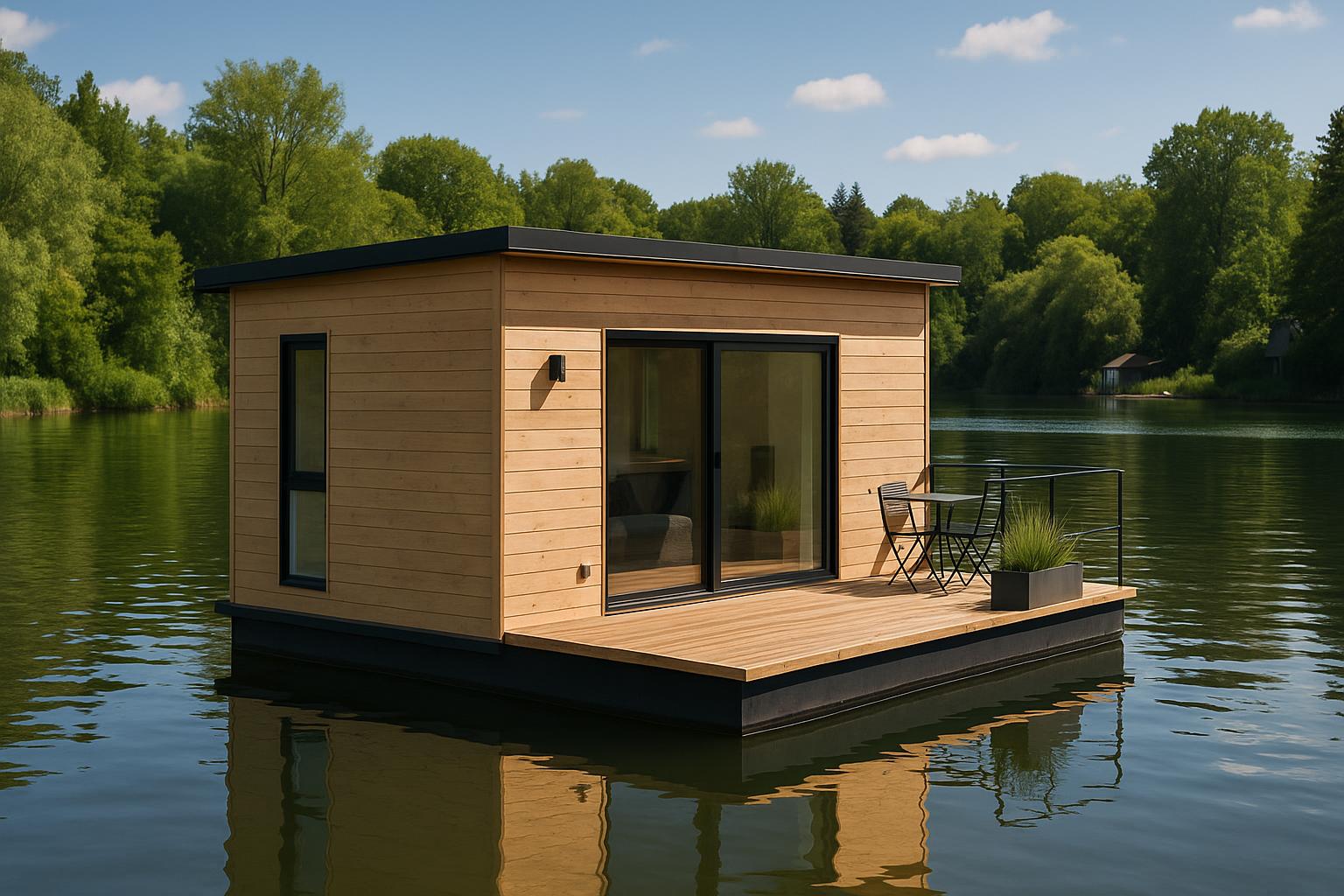
Floating ADU: The Next Wave of Waterfront Living in Canada
Estimated reading time: 8 minutes
Key Takeaways
- Innovative Living: Floating ADUs merge tiny home technology with sustainable, year-round waterfront living.
- Design & Adaptability: They feature modern, modular designs that maximize space and adapt to harsh Canadian climates.
- Regulatory Insight: Prospective owners must navigate unique zoning, permitting, and financing challenges.
- Eco-Friendly Approach: With minimal environmental impact and renewable energy integration, floating ADUs promote sustainable housing.
- Community & Lifestyle: These units offer a unique lifestyle emphasizing close connections to nature and waterfront recreational activities.
Table of Contents
- Introduction: Floating ADU, Waterfront Living, and Sustainable Housing in Canada
- Overview of Floating ADUs: Designs, Tiny Home Technology, and Adaptability
- Floating ADUs and Waterfront Living in Canada
- Tiny Home Technology: Powering Sustainable Floating ADUs
- Sustainability Advantages: Floating ADU and Environmental Impact
- Practical Considerations and Challenges for Floating ADUs in Canada
- Conclusion
- Frequently Asked Questions
Introduction: Floating ADU, Waterfront Living, and Sustainable Housing in Canada
A floating ADU (Accessory Dwelling Unit) is a small, self-contained home built on a floating platform. Unlike traditional backyard garden suites or laneway houses, a floating ADU is designed for direct placement on water—anchored on lakes, rivers, or sheltered coastal areas throughout Canada. This type of home includes everything needed for independent living: a kitchen, bathroom, sleeping area, and utilities, but is set on a barge or pontoon instead of a foundation ADU Start – Floating ADU Explained.
Interest in floating ADUs has quickly grown as Canadians search for sustainable housing choices and new ways to experience waterfront living. With pressures on land, price increases in traditional cottage areas, and a shift towards eco-friendly design, floating ADUs present an exciting combination of tiny home innovation, efficient land use, and the unique lifestyle offered by Canada’s abundant lakes and rivers. For more on tiny home innovation and sustainable living benefits, see Tiny Home Living: Your Complete Guide to Micro Homes, Sustainability, and Lifestyle Freedom.
By embracing floating ADUs, Canada is bringing together cutting-edge “tiny home technology,” forward-thinking environmental design, and the timeless appeal of living on the water—all while minimizing the environmental footprint of new residences.
Overview of Floating ADUs: Designs, Tiny Home Technology, and Adaptability
Floating ADUs borrow their compact design and innovative features from the tiny home and marine construction worlds. They differ from houseboats both in function and in form, serving primarily as secondary dwelling units with permanent mooring and full amenities.
Common Types and Designs
- Single-Storey Studio or One-Bedroom Units: Open-plan spaces with integrated kitchens, storage, and bathrooms.
- Two-Storey Compact Models: Feature sleeping lofts, rooftop decks for extra living space, and expanded water views.
- Modular Barge-Style Platforms: Designed to be combined or expanded as needed, these platforms allow for evolving layouts and future additions. For more details, visit More on Floating ADU Designs.
These residences are not houseboats. Unlike houseboats—which prioritize mobility and usually lack robust, year-round amenities—floating ADUs are permanently attached to a specific site (marina slip, dock, or leased waterlot) and provide four-season comfort with high-level insulation, fixed utility connections, and durable construction.
Tiny Home Technology in Floating ADUs
- Space-Saving Layouts: Efficient floorplans, convertible or fold-down furniture, and integrated wall storage.
- Full Service Utilities: Compact kitchens and bathrooms, engineered to fit a small footprint.
- Maximized Use of Space: Clever cabinetry, under-bed drawers, and multi-purpose zones ensure that every corner counts.
- Sustainable Materials: Lightweight, durable finishes selected for performance and longevity.
These features—commonly seen in tiny homes across Canada—allow floating ADUs to thrive in challenging, space-constrained waterfront locations, making them highly adaptable to varying shoreline conditions and lifestyle needs. Learn more about space optimization and sustainable design in tiny homes at Tiny Homes: Space Optimization, Cost-Effective Living, and Sustainable Design Explained.
Floating ADUs and Waterfront Living in Canada: Location, Lifestyle, and Regulations
The Allure of Waterfront Living
Canada’s lakes and rivers have always held a special place in the national imagination. Waterfront living isn’t just about beautiful views—it’s about:
- Recreation: Canoeing, kayaking, fishing, swimming, and skating are just steps away.
- Cottage Culture: Enjoyed in Ontario’s Muskoka region, Quebec’s Laurentians, and throughout British Columbia’s inlets and Interior lakes.
- Peace and Connection to Nature: Embrace wildlife, sunsets, and tranquil mornings on the dock.
Floating ADUs bring this lifestyle to a wider audience, making it possible to enjoy lakeside or riverside perks with a smaller price tag and less need for extensive shoreline development. Discover why Canadians are drawn to waterfront living at Why Canadians Want Waterfront Living. For additional insights on eco-friendly homes, see Tiny Sustainable Living: How Eco-Friendly Homes and Energy-Efficient Design Are Shaping the Future of Sustainable Housing.
Best Regions for Floating ADUs
- Ontario: Muskoka, Kawartha Lakes, and along canal systems like the Trent-Severn and Rideau Waterways.
- Quebec: Lakes in the Laurentian region and Eastern parts with established waterfront development.
- British Columbia: Sheltered marinas in the Lower Mainland, the Sunshine Coast, and select freshwater Interior lakes.
- Atlantic Canada: Quiet harbours and estuaries, especially in Prince Edward Island and Nova Scotia as ADU guidelines evolve. Refer to Supporting Data on ADUs in Canada.
Navigating Regulations and Zoning
Floating ADUs must comply with:
- Zoning and Land Use Rules: While on-land ADUs share a lot with a main home, over-water placements often tread grey areas requiring new bylaws.
- Water Lot and Crown Land Rights: Many provinces consider lake or river beds as Crown-owned, thus necessitating permits or special leases.
- Federal & Conservation Authority Involvement: Agencies like Transport Canada and local conservation bodies review new waterfront housing concepts. Learn more through Zoning Resources for ADUs and ADU Regulatory Overview.
Despite these challenges, the low-impact nature of floating ADUs supports sustainable housing in sensitive waterfront areas, preserving open natural shorelines. For detailed guidance, see Navigating ADU Permits in Canadian Cities: A Complete Guide to Zoning Laws, Legal Requirements, and the Building Process.
Tiny Home Technology: Powering Sustainable Floating ADUs
Floating ADUs are at the cutting edge of both energy efficiency and building innovations, integrating proven tiny home technology into a water-based setting.
Energy Efficiency
- High-R Insulation and Air Sealing: Similar to advanced Canadian ADUs, floating homes utilize dense insulation and tight envelopes to minimize heat loss and maintain cool indoor temperatures. Explore further at Insulation and ADU Performance.
- Heat Pumps and Efficient Heating: Options such as ductless mini-split systems or in-floor hydronic heating offer energy savings. More details can be found at Heat Pump for Tiny Home.
- LED Lighting & Low-Draw Appliances: High-efficiency appliances in full kitchens and laundry setups reduce energy consumption.
Modular, Prefabricated Construction
Floating ADUs often use factory-built shells that are trucked or craned to site, minimizing on-site waste and ensuring strict quality control. These standardized modules enable predictable costs and customizable plans. Read more about these trends at Prefab and Modular Trends in ADUs and Prefab House Revolution: How Modular Design is Redefining Modern Housing.
Smart Home Systems and Cold-Climate Adaptations
- Smart Thermostats and Remote Monitoring: Manage temperature, water usage, and security remotely. Discover more at Smart Home Technology for ADUs.
- Freeze Protection: Automatic plumbing controls, heated lines, and alarm systems protect against cold-related issues—a must for Canadian winters.
Embracing these technologies allows floating ADUs to set a new standard for sustainable housing, offering comfort, efficiency, and environmental responsibility both on water and land.
Sustainability Advantages: Floating ADU and Environmental Impact
Resource Efficiency and Land Preservation
Traditional shoreline developments often bring:
- Land clearing
- Habitat loss
- Erosion and water quality decline
A floating ADU minimizes these impacts through a small physical footprint and non-invasive installation practices, eliminating the need for roads, extensive grading, septic fields, or heavy foundations. More information can be read at Environmental Benefits Detailed.
Durable, Ecological Materials
- FSC-certified wood
- Low-VOC paints and sealers
- Recycled-content insulation
- Lightweight, corrosion-resistant finishes
These material choices, common in Canadian tiny homes, support resilient and sustainable waterfront housing.
Renewable Energy Integration
- Solar PV Panels: Rooftop or dock-mounted systems cater to electrical loads.
- Solar Thermal Heating: Efficient solutions for domestic hot water.
- Battery Storage: Supports off-grid living options and enhances energy resilience.
This integration reduces dependence on fossil fuels and favors low-impact living. For further reading, visit ADU Sustainability Features and The Ultimate Guide to Solar-Powered ADUs for Canadian Homes.
Adaptability to Climate Change
Floating ADUs naturally adjust to variable water levels, offering resilience against fluctuating precipitation, ice, and seasonal flooding. This quality makes them a forward-thinking solution for communities facing climate adaptation challenges.
Practical Considerations and Challenges for Floating ADUs in Canada
Construction and Maintenance for Canadian Conditions
- Robust Floating Platforms: Whether using barrels, pontoons, or engineered concrete floats, structures must endure building loads, snow accumulation, and storm or ice movement. See more at Construction Reference.
- Four-Season Detailing: Enhanced insulation, vapor barriers, and airtight designs are crucial in dealing with wind and water exposure.
- Plumbing and Water Systems: Pipes must be insulated and safeguarded against freezing, with waterlines and pump systems often positioned inside the heated envelope.
- Ice Management: In regions where lakes freeze, bubblers or seasonal removal strategies prevent ice buildup. For additional context, refer to Winterization of Floating Homes.
Cost Factors, Financing, and Approval
Initial and ongoing costs include platform materials, engineering, utility connections, interior finishes, and fees related to regulatory approvals and permits.
Financing challenges exist since traditional banks are more familiar with land-based ADUs. Floating homes require niche lenders and custom insurance solutions. More details are available at Financing Details.
Lifestyle, Community, and Neighbourhood Considerations
Living in a floating ADU means experiencing:
- A constant, sensory connection to water with ever-changing views.
- Shared infrastructure such as docks and service lines.
- The potential for intimate communities that resemble tiny home villages.
For more on building tiny home communities and eco-friendly living, see How Tiny Home Communities Are Redefining Affordable, Eco-Friendly, and Communal Living.
Conclusion: How Floating ADUs Combine Tiny Home Technology, Sustainable Housing, and Dream Waterfront Living in Canada
Floating ADUs represent a groundbreaking approach to Canadian housing by combining cutting-edge tiny home technology, minimal-impact construction, and the allure of waterfront living. These structures:
- Offer innovative, comfortable, modular living spaces that emphasize energy efficiency.
- Minimize environmental disturbance while adapting to changing water levels and climates.
- Provide broader access to Canada’s lakes and rivers without compromising natural landscapes. To explore their potential, visit Explore the Potential of Floating ADUs.
For those intrigued by the floating ADU model, consider these steps:
- Check local and provincial ADU rules: Every community has its unique regulations. Start at Start Here for Regulatory Advice.
- Consult planning and conservation authorities: Clarify what is permitted, especially regarding Crown land and navigation. Learn more at Further Reading.
- Contact experienced builders and marine engineers: Seek Canadian professionals skilled in both tiny home and floating platform construction.
As municipalities modernize housing policies and embrace climate-adapted solutions, floating ADUs are poised to transition from niche experiments to mainstream sustainable housing options.
Frequently Asked Questions
-
What is a Floating ADU?
A floating ADU is a small, self-contained dwelling built on a floating platform. It includes all essential living spaces such as a kitchen, bathroom, and sleeping area, but is uniquely designed for placement on water rather than a traditional foundation.
-
How do floating ADUs withstand harsh Canadian winters?
These structures are engineered with enhanced insulation, airtight construction, and specialized plumbing systems to protect against freezing temperatures. Features like heated lines and smart monitoring systems ensure reliable performance in cold climates.
-
Are there specific regulations for floating homes?
Yes, floating ADUs often require navigating unique zoning rules, water lot and Crown land permissions, and involvement from conservation authorities. It is essential to consult local guidelines and professionals before proceeding with a project.
Leave a Reply