

Estimated reading time: 10 minutes
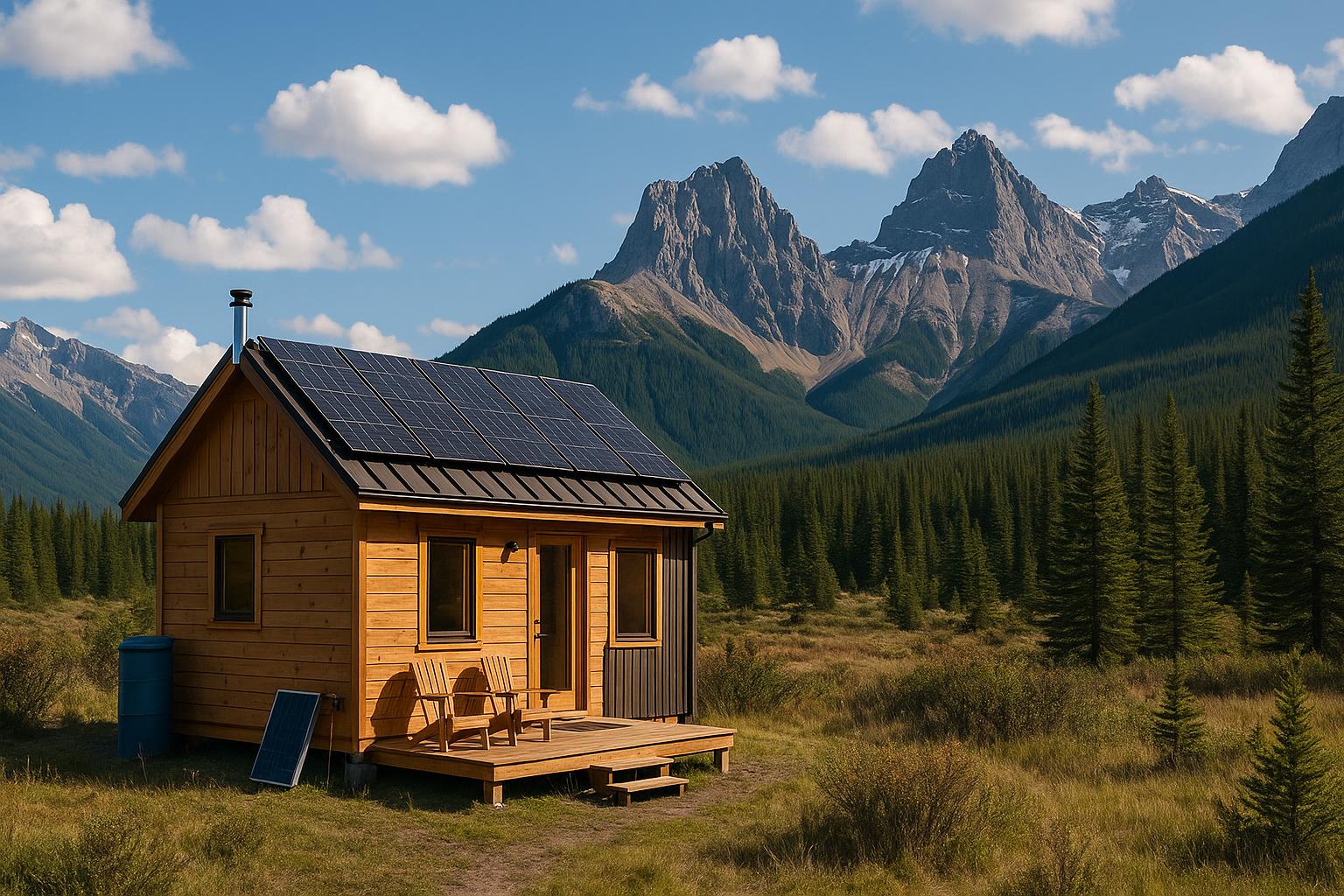
Off-grid ADU: Building Self-Sufficient Mountain Retreats in the Canadian Wilderness
Key Takeaways
- Off-grid ADUs enable a self-sufficient lifestyle amid the rugged Canadian wilderness.
- Successful projects focus on reliable water sourcing, renewable power, and eco-friendly waste management.
- Innovative designs like Shipping Container Homes and efficient Rainwater Collection are game changers.
- Robust materials and integrated systems are essential for thriving in extreme climates.
Table of contents
Understanding the Unique Challenges of Remote Living in the Canadian Wilderness
Building an off-grid ADU in the vast, untamed Canadian wilderness presents a unique set of obstacles. From isolation and extreme climatic conditions to rugged terrain and wildlife encounters, every aspect demands thorough preparation.
Canadian Wilderness: Isolation, Climate, and Terrain
- Extreme Isolation: Remote locations often require specialized vehicles or even boats for access.
- Intense Climate: Heavy snowfall, short winter days, and torrential rains challenge even the best-built shelters.
- Rugged Terrain: Steep mountains and dense forests demand durable construction methods.
- Wildlife Precautions: Proper waste storage and secure designs are essential to deter bears, wolves, and other critters.
Mountain Retreats: How ADU Building Differs in Rugged Locations
For mountain retreats, simplicity and durability are paramount. Elevated cabin designs, such as Shipping Container Homes, help mitigate snow load and moisture issues, while innovative solutions like yurts or float cabins cater to specific site challenges.
Water Essentials for Off-Grid ADUs
Remote Living: Off-Grid Water Sourcing
- Drilled Wells: Reliable year-round, though initially pricey.
- Spring-Fed Dugouts: Ideal in regions with natural springs that provide fresh water.
- Rainwater Collection: Efficient on rainy coastal regions, channeling water through gutters into cisterns.
- Hand Pumping: Suitable for cabins near lakes or streams with manual or solar-powered pumps.
Self-Sufficiency: Water Purification and Storage
Ensuring water quality is as crucial as finding the source. Techniques such as boiling, using gravity or pressure filters, and storing water in dedicated tanks safeguard your supply. Minimal water wastage practices, like recycling greywater for non-drinking purposes, further enhance sustainability.
Power Solutions for Remote Off-Grid Living
Off-Grid ADU: Choosing and Managing Power Sources
- Solar Power Systems: The most common solution, requiring proper battery storage and occasional maintenance. Learn more about solar setups at this guide.
- Wind Turbines: Suitable for areas with consistent wind, though they may need regular upkeep.
- Micro-Hydro Systems: Ideal for sites with persistent flowing water, offering continuous energy.
- Backup Generators: Essential for emergencies, albeit with the need for fuel storage and transport.
Remote Living: Power Storage and Management
Batteries and charge controllers form the backbone of any off-grid power system. By choosing quality deep-cycle batteries and optimizing energy consumption with LED lighting and energy-efficient appliances, you can ensure reliable power even on cloudy days.
Waste Management in Off-Grid ADUs
Self-Sufficiency: Off-Grid Human & Household Waste Solutions
- Composting Toilets: Offer a nearly odorless solution that recycles waste into useful compost for landscaping.
- Outhouses: A simple, inexpensive option for less-frequented areas, provided they are built away from water sources.
- Septic Systems: More complex but necessary for larger setups, demanding regular inspections and proper siting.
Greywater and Household Waste
Recycling greywater using biodegradable soaps and redirecting solid waste for composting helps maintain environmental balance. Maintaining a safe distance from water bodies (at least 30 meters) is essential to protect natural ecosystems.
Designing for Self-Sufficiency in Mountain Retreats
Integrating systems for power, water, and waste allows your off-grid ADU to become a harmonious, efficient retreat. Smart design choices, from insulation to siting, ensure that the unit can withstand the rigors of harsh climates while minimizing maintenance.
- Insulation & Heating: Use thick timber walls, high-grade windows, and wood-fired stoves for optimal warmth. For additional advice, check out winter-proofing tips.
- Integrated Systems: Ensure water pumping, battery charging, and waste management work together seamlessly.
- Efficient Layout: Site your ADU to take maximum advantage of sunlight during winter months and minimize plumbing runs to prevent freezing.
Conclusion
Building an off-grid ADU in the Canadian wilderness is not just a construction project—it’s a leap into a more resilient, self-sufficient lifestyle. By carefully planning water sources, power systems, and waste management, you create a mountain retreat built to thrive under extreme conditions.
Embrace the challenge, research thoroughly, and let innovative designs guide you toward a tranquil life away from the hustle of city living.
Frequently Asked Questions
What is an off-grid ADU?
An off-grid ADU is a self-contained accessory dwelling unit designed to operate independently of traditional utility grids, offering a sustainable lifestyle in remote areas.
How do I ensure a reliable water supply?
Reliable water can be sourced through drilled wells, spring-fed dugouts, or efficient rainwater collection systems, complemented by proper purification and storage measures.
Which power solution works best for remote locations?
Solar power systems are the most common, but wind turbines or micro-hydro setups can be viable depending on your site’s resources. An optimal solution often involves a mix of renewable energy sources and backup generators.
How is waste managed in these setups?
Many opt for composting toilets complemented by greywater recycling systems, ensuring minimal environmental impact and sustainable operation.
What design considerations are most important?
Proper insulation, efficient layout to maximize sunlight, and integrated systems that harmonize power, water, and waste management are key to building a successful off-grid ADU.
Leave a Reply