

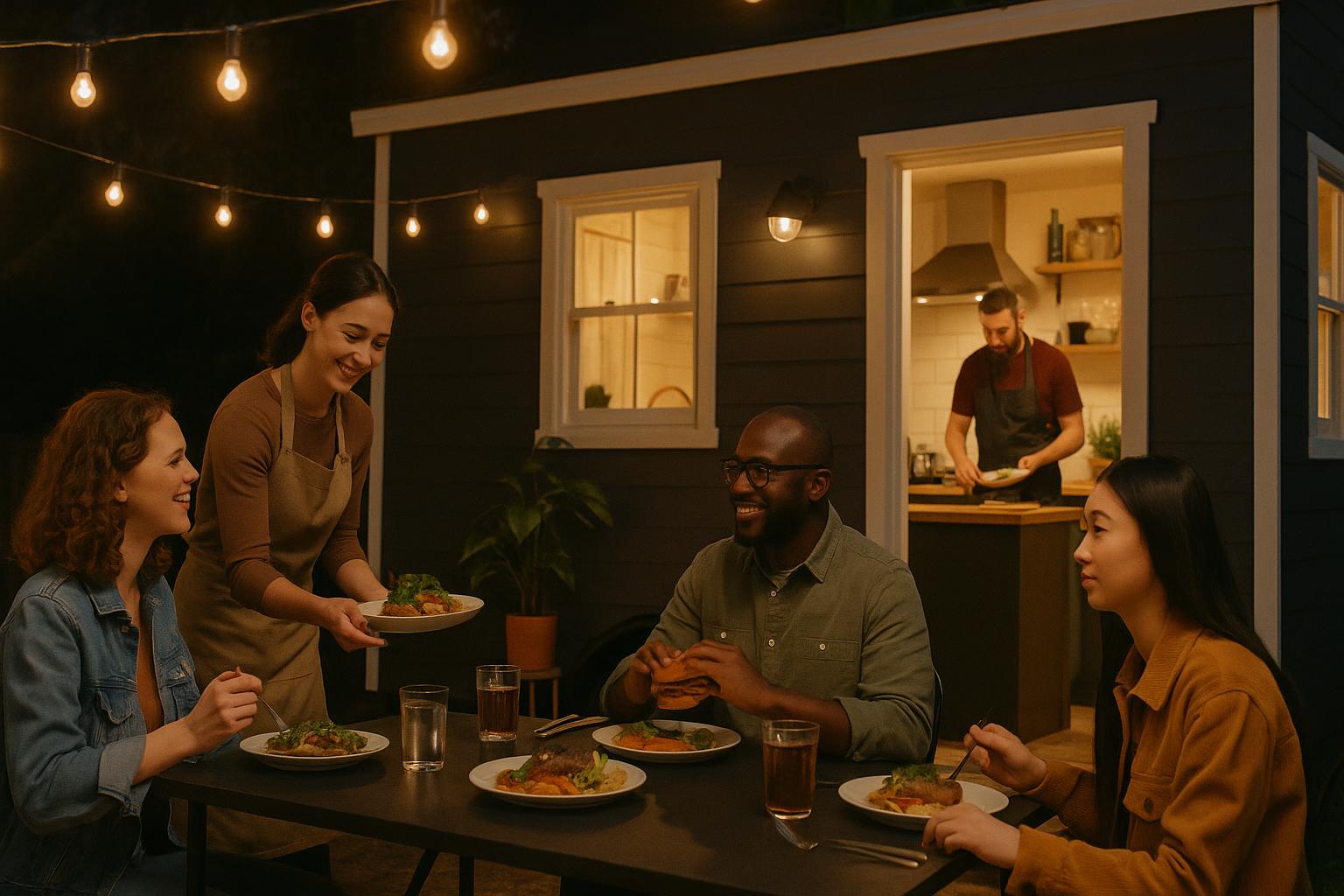
Pop-Up Restaurant: How Tiny Home Kitchens are Changing the Canadian Food Trend
Estimated reading time: 7 minutes
Key Takeaways
- Exclusivity and Innovation: Pop-up restaurants deliver unique dining experiences by creating a sense of scarcity and community engagement.
- Culinary Creativity: Tiny home kitchens maximize small spaces with smart design, encouraging chefs to focus on quality and innovation.
- Regulatory Awareness: Operating a pop-up restaurant in a tiny home requires strict adherence to local health, zoning, and licensing regulations.
- Marketing Impact: Limited seating and intimate experiences drive strong word-of-mouth and effective use of social media strategies.
Table of Contents
Introduction: Pop-Up Restaurant, Tiny Home Kitchen, and the Canadian Food Trend
Pop-up restaurants are making a huge impact across Canada. A pop-up restaurant is a temporary food service venue that stands out from traditional, permanent restaurants. These places create exclusive, one-of-a-kind dining events. At the heart of many of these unique eateries is the tiny home kitchen—a compact, smartly designed space that acts as the control centre for culinary creativity.
This model is part of a growing Canadian food trend focused on experiential dining. People in Canada are searching for new, immersive ways to enjoy food. According to Yelp Report, searches for “pop-up restaurant” increased by 14% over the past year, showing rising excitement for these unconventional dining spots. Canada’s restaurant industry is set to hit $135.2 billion in market value in 2025, reflecting how important food innovation is in the country, as noted by Stats.
Pop-up restaurants and tiny home kitchens are not just fads—they are part of a major shift in how Canadians think about dining out. This blog will explore why these innovative concepts are booming, how they work, and what makes them so appealing across the Canadian food scene.
The Rise of Pop-Up Restaurants in Canada: Canadian Food Trend
The rise of pop-up restaurants in Canada is directly tied to changing preferences among diners. People want more than just a meal—they want stories, connections, and memorable experiences. Many diners are bored with the usual spots and crave something rare and exciting.
Why Pop-Up Restaurants Are So Popular
- Scarcity and Exclusivity: Pop-up restaurants often operate for a limited time, creating a sense of urgency.
- Community Engagement: Typically set up in neighbourhoods or unconventional spaces, these restaurants support local producers and artists, building community bonds.
- Culinary Innovation: Chefs can experiment with new menus without a huge investment, delivering creative and experimental dishes.
The Numbers Behind the Trend
- Dining Out Is Huge: 69% of Canadians dine at or order from restaurants at least once every week, emphasizing the appetite for new experiences. (2025 Trends Report)
- Economic Resilience: Nearly 24,000 new jobs in foodservice were added in the first nine months of 2025, as reported by Employment Data.
Pop-up restaurants capitalize on the Canadian hunger for authenticity and novelty. Their agile and cost-effective models allow chefs to meet diners both physically and emotionally, reinforcing their status as a pillar in modern culinary innovation.
For further insights, read more on trends and explore foodservice jobs growth.
Tiny Home Kitchens as a Hub for Culinary Innovation: Tiny Home Kitchen
At the core of many pop-up restaurants is the tiny home kitchen. This compact, efficient cooking space exemplifies culinary innovation by maximizing every square inch for food preparation and creativity.
Key Features of a Tiny Home Kitchen
- Deliberate Compact Design: Fixtures like fold-away countertops and vertical storage optimize every inch.
- Smart Use of Appliances: Induction cooktops, combination steamers, and compact convection ovens are prioritized for efficiency.
- Vertical Storage Solutions: Magnetic knife strips, wall-mounted shelving, and overhead racks keep essential tools within reach.
- Multifunctional Workstations: Adaptable spaces for prep, cooking, and plating streamline service.
How Constraints Drive Creativity
- Menu Focus: Limited space inspires chefs to excel with a curated selection of dishes.
- Ingredient Management: Chefs work with fewer, fresher ingredients sourced locally and seasonally.
- Flexible Workflow: Everything is positioned within arm’s reach, ensuring efficient service.
For musicians in design, learn more about design strategies, explore compact living, and discover smart storage solutions to see how small spaces can be transformed into hubs of culinary creativity.
Legal and Logistical Considerations for Pop-Up Restaurants in Tiny Homes: Legal Compliance
Running a pop-up restaurant from a tiny home kitchen isn’t solely about the food; it also involves critical legal, safety, and business protocols to stay compliant.
Health and Food Safety Compliance
- Kitchen Standards: Health departments require commercial-grade sanitation, including proper refrigeration, temperature monitoring, and separate handwashing sinks.
- Permissible Foods: While some provinces allow home kitchens to prep low-risk foods, full meals—with meat or dairy—face stricter regulations.
Zoning and Land Use
- Residential vs. Commercial: Zoning bylaws determine whether a pop-up restaurant can be operated from a home.
- Permits: A conditional use permit or zoning variance, along with adherence to guest limits and event frequency, may be required.
Required Permits and Licensing
- Business License: Mandatory for all food service operations.
- Health Permit: Confirms that kitchen safety standards are met.
- Liquor License: Necessary if alcohol is served.
- Temporary Food Facility Permit: Required for short-term or pop-up events.
Tips include building strong relationships with local health inspectors, maintaining detailed ingredient records, and choosing portable commercial-grade equipment. For more information on compliance, visit More on Compliance and Permitting: Tiny Home Living Guide, Learn about Legal Tiny Home Tips, and Canadian ADU Regulations Guide.
Design Tips for Setting Up a Successful Tiny Home Kitchen for Pop-Up Dining: Small Space Dining
Making a tiny home kitchen work for pop-up restaurant service requires smart planning and attention to detail. Here, every element—from space-saving appliances to efficient workflow—is essential.
Choose Space-Saving Appliances and Tools
- Induction Cooktops: Compact, energy-efficient, and easy to clean.
- Convection Microwave Ovens: Versatile units that can bake, roast, and reheat in one compact design.
- Multi-Cookers: Devices that handle various cooking styles, replacing multiple appliances.
- Under-counter Fridges: Optimize prep surfaces while maintaining the right temperature.
- Pegboards & Magnetic Strips: Facilitate safe and quick access to utensils.
Workflow Optimization
- Work Triangle: Arrange the sink, fridge, and cooktop to minimize movement and streamline tasks.
- Flexible Workstations: Use folding counters and rolling islands to expand or contract your workspace as needed.
- Designated Zones: Clearly mark prep, cooking, and plating areas to enhance efficiency.
Creating a Cozy Dining Space
Simple touches such as warm lighting, natural wood elements, minimal décor, and gentle background music can transform a limited space into a welcoming and intimate dining environment.
For additional inspiration, explore small restaurant design tips, discover smart storage solutions, and see tiny home kitchen design ideas.
Small Space Dining Experiences: Enhancing Customer Engagement
Small space dining is more than a novelty—it offers significant advantages that larger establishments often struggle to match.
Advantages of Small Space Dining
- Close Connections: Intimate settings enable guests to engage directly with chefs and staff.
- Memorable Experiences: The exclusivity and personal attention of a pop-up event create lasting memories.
- Community Feel: The shared experience often sparks conversation and builds local ties.
Marketing Through Limited Capacity
- Scarcity: Limited seating transforms each event into a coveted, exclusive experience.
- FOMO: Guests often share their unique dining experiences, generating buzz and driving future bookings.
Effective tactics include creative social media use, personalized email newsletters, partnerships with local influencers, and community collaborations. For more marketing ideas, read about customer engagement in small spaces, see social media marketing strategies, and explore community collaboration and events.
Conclusion: Pop-Up Restaurant and Tiny Home Kitchen—The Future of Canadian Culinary Innovation
Tiny home kitchens and pop-up restaurants are transforming the Canadian dining scene—bringing creativity, connectivity, and excitement to every new experience. They demonstrate that great food and memorable service don’t require expansive spaces, just smart design and a passion for innovation.
Key takeaways include the rise of exclusive dining experiences, the innovation driven by small kitchens, the importance of legal compliance, and the power of intimate, community-based marketing. Embrace these trends and let your pop-up be the next big leap in Canadian culinary art.
For further exploration, learn more about local restaurant regulation, find tiny kitchen design ideas and living small tips, and explore Canadian food trend statistics.
Frequently Asked Questions
-
What is a pop-up restaurant?
A pop-up restaurant is a temporary dining venue designed to offer unique culinary experiences without the long-term commitment of a traditional restaurant. They often capitalize on exclusivity and creative menus.
-
How do tiny home kitchens enhance pop-up restaurants?
Tiny home kitchens maximize space with smart, compact designs that encourage innovation. They allow chefs to focus on a limited menu and create intimate dining settings that emphasize quality over quantity.
-
Are there legal challenges involved?
Yes. Operators must ensure compliance with local health regulations, zoning bylaws, business licensing, and permits to operate legally. Establishing good relationships with local authorities is essential.
-
What marketing strategies work best for pop-up events?
Leveraging social media, personalized email newsletters, local influencer partnerships, and community collaborations are proven strategies that build excitement and encourage word-of-mouth promotion.
Leave a Reply