

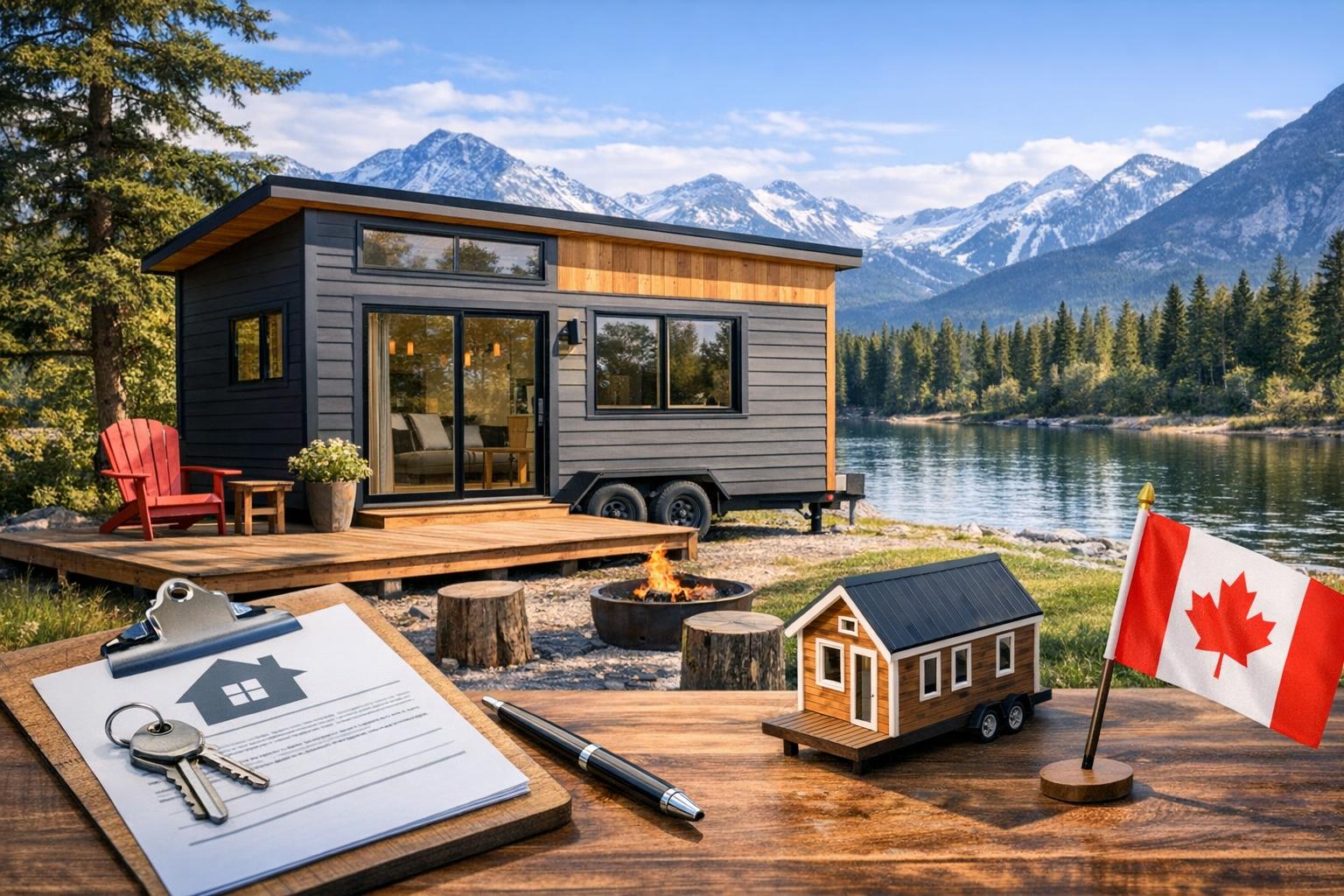
Tiny Home Warranty Canada: What Buyers and Owners Need to Know in 2024
Estimated reading time: 8 minutes
Key Takeaways
- Tiny home warranties protect against construction defects following a 1-2-5-10 model.
- Provincial differences mean coverage and legal requirements vary across Canada.
- Inter-provincial moves require careful re-registration and new inspections to maintain coverage.
- Legal protection is enforced through acts like Alberta’s New Home Buyer Protection Act and Ontario’s Tarion system.
- Anticipated changes in 2025 may update building codes and warranty mandates.
Table of contents
Introduction: Tiny Home Warranty Canada—Essential Protection for Compact Dwellings
A tiny home warranty Canada protects buyers and owners of compact dwellings—typically 400-600 square feet and valued from $50,000 to $150,000. These warranties safeguard your investment by covering critical defects in construction, materials, and systems. Without this protection, tiny home owners risk expensive repairs and complicated legal disputes with builders, especially given the unique nature of tiny home builds.
Legal protection is a core benefit of a tiny home warranty. Owners are shielded from costly litigation, while builders remain accountable for their workmanship. However, it’s important to note that warranty requirements are not uniform across Canada. Regulations vary inter-provincially, with each province establishing its own standards for what constitutes a “new home” and how warranties must be administered.
Looking ahead, significant updates are expected for building codes and warranty standards in 2025. These changes could affect coverage requirements, compliance benchmarks, and legal protection for tiny home owners.
For deeper insights on tiny home living and sustainability, also see Tiny Home Living: The Ultimate Guide to Affordable, Sustainable, and Stylish Compact Living.
Research references:
https://www.alberta.ca/new-home-warranty-overview
https://newhomesalberta.ca/alberta-new-home-warranty-program-explained-coverage-guide/
https://www.aviva.ca/en/blog/tiny-house-movement/
Overview of Tiny Home Warranty Coverage in Canada
A tiny home warranty in Canada follows a format similar to traditional new home warranties, using the “1-2-5-10” model:
- 1 year: Labour and materials (flooring, cabinets, basic finishes)
- 2 years: Delivery systems (plumbing, electrical, HVAC)
- 5 years: Building envelope (roof, walls, windows – protection from water penetration)
- 10 years: Major structure (foundation, frame, major load-bearing components)
These milestones ensure that a typical tiny home owner enjoys comprehensive protection over the home’s prime lifespan, with repairs covered if significant issues arise.
Canadian warranty regulations require compliance with acts such as Alberta’s New Home Buyer Protection Act and similar mandates in other provinces. Most provinces consider code-compliant tiny homes as eligible for these protections. The warranty is registered to the property, remaining in effect even if the home is sold.
For related legal protection and consumer rights information, refer to Tiny Home Legal Requirements Canada: A Comprehensive Guide for Buyers to Navigate Laws, CSA Certification, Titles, and Insurance.
Research references:
https://www.alberta.ca/new-home-warranty-overview
https://newhomesalberta.ca/alberta-new-home-warranty-program-explained-coverage-guide/
https://smallworks.ca/journal/new-home-2-5-10-warranty
https://tinyhomesnorthumberland.ca/2025/01/08/general-info-on-adus/
https://www.aviva.ca/en/blog/tiny-house-movement/
Provincial Differences: Variations in Tiny Home Warranty Requirements Across Canada
The tiny home warranty landscape in Canada is highly inter-provincial—each province has unique rules based on how they define and regulate tiny homes under their building codes.
Alberta: Mandatory New Home Warranty
- All new homes, including tiny homes, must be registered under the New Home Buyer Protection Act.
- Mandates the 1-2-5-10 coverage for up to $265,000 per unit.
- Warranty is required for building permits.
British Columbia: 2-5-10 Coverage Standard
- Tiny homes are treated as any new residential build.
- 2 years for materials and labour, 5 years for the building envelope, and 10 years for the structure.
- Mandatory for all code-compliant new builds.
Ontario: Tarion Warranty for Code-Compliant Builds
- Builders must register with Tarion under the Home Construction Regulatory Authority (HCRA).
- Tiny homes and accessory dwelling units (ADUs) qualify if they meet Ontario Building Code standards.
Further reading on ADU regulations and zoning in Ontario: Canadian ADU Regulations: A Comprehensive Provincial Guide to Secondary Suites, Zoning Laws, and Building Permits and Tiny Home Building Regulations in Ontario.
ADU Info | Building Regulations
Quebec: No Unified Provincial Program
- No province-wide mandatory tiny home warranty.
- Compliance based on CSA standards for mobile/stability and local bylaws.
- The lack of a mandatory warranty increases risk for buyers.
Atlantic Canada: Voluntary Warranty Programs
- Participation through the Atlantic Home Warranty Program (AHWP) is voluntary.
- Coverage mimics the 1-2-5-10 format.
- While not mandatory, it is strongly recommended for builders.
What This Means for Buyers and Builders:
- Where warranties are not mandatory, buyers may face financial loss if defects arise.
- Builders must ensure provincial registration and proper warranty documentation for legal and insurance purposes.
- Sellers and buyers in provinces like Quebec and Atlantic Canada should request voluntary warranty documentation.
For detailed provincial differences and legal considerations, also see How to Choose a Reliable Tiny Home Builder Canada: Expert Hiring Advice and Construction Tips for Your Project.
Research references:
https://www.alberta.ca/new-home-warranty-overview
https://newhomesalberta.ca/alberta-new-home-warranty-program-explained-coverage-guide/
https://smallworks.ca/journal/new-home-2-5-10-warranty
https://tinyhomesnorthumberland.ca/2025/01/08/general-info-on-adus/
https://tinyhomesincanada.ca/tiny-home-building-regulations-in-ontario/
https://www.aviva.ca/en/blog/tiny-house-movement/
https://bentleybuilt.ca/blog/new-home-construction-warranty/
Inter-Provincial Challenges: What Happens When Tiny Homes Move Across Canada
Inter-provincial relocation presents unique challenges as tiny home warranties are generally bound to provincial codes, registrations, and local standards.
Key Challenges:
- Invalidation of Warranty: Warranties registered with provincial authorities may be voided if a tiny home is moved without proper certification.
- Compliance Issues: The destination province might enforce stricter requirements on foundations, insulation, or energy efficiency.
- Re-certification Needs: Owners may be required to arrange new inspections to meet the building code of the receiving province.
Steps to Ensure Legal Protection Across Provinces:
- Contact Your Builder: Confirm if the warranty is transferable and determine the steps needed for a smooth transfer.
- Arrange Pre-Move Inspection: Hire an inspector familiar with the destination province’s regulations.
- Re-Register the Warranty: Ensure it is registered with the new local authority (e.g., Tarion in Ontario or AHWP in Atlantic Canada).
- Check Insurance Requirements: Update your insurance to comply with the new local regulatory context.
If these measures are not taken, warranty claims may be denied, leaving the homeowner exposed to full liability for any defects that develop after the move.
For comprehensive relocation guidance, see Moving Tiny Home Across Provinces: A Comprehensive Guide to Legal Permits, Logistics, and Costs for Canadians.
Research references:
https://www.alberta.ca/new-home-warranty-overview
https://newhomesalberta.ca/alberta-new-home-warranty-program-explained-coverage-guide/
https://www.aviva.ca/en/blog/tiny-house-movement/
https://tinyhomesnorthumberland.ca/2025/01/08/general-info-on-adus/
https://bentleybuilt.ca/blog/new-home-construction-warranty/
https://tinyhomesincanada.ca/tiny-home-building-regulations-in-ontario/
Legal Protection and Consumer Rights for Tiny Homeowners in Canada
Legal protection for tiny homeowners is enshrined in regulations such as Alberta’s New Home Buyer Protection Act and Ontario’s New Home Warranties Plan Act. These laws guarantee consumer rights and set clear procedures for warranty claims.
Core Consumer Rights:
- Direct Claims: Owners can file claims directly with warranty providers for issues like leaks, HVAC failures, or structural defects.
- Builder Accountability: Builders enrolled in approved warranty programs must ensure repairs are undertaken if defects arise.
- Written Terms: Warranties must clearly outline coverage, exclusions, and the claim process.
Handling Disputes:
- Arbitration: Disagreements about coverage may be resolved through arbitration.
- Court Access: If arbitration fails, homeowners can pursue legal action using the warranty contract as evidence.
- Common Exclusions: Damage from owner modifications, lack of maintenance, or non-compliance is typically excluded.
For further advice on warranty and contracts, visit ADU Warranty: Comprehensive Guide to Builder Guarantees, Canadian Contracts, and Tiny Home Maintenance for Ultimate Protection.
Research references:
https://www.alberta.ca/new-home-warranty-overview
https://tinyhomesnorthumberland.ca/2025/01/08/general-info-on-adus/
https://newhomesalberta.ca/alberta-new-home-warranty-program-explained-coverage-guide/
https://smallworks.ca/journal/new-home-2-5-10-warranty
Looking Ahead: Tiny Home Warranty Canada in 2025
In 2025, the tiny home landscape in Canada is set to evolve with significant updates to building codes and warranty standards. Anticipated changes include:
- Code Updates: Clearer definitions and technical requirements tailored for tiny homes.
- Relaxed Mobile Widths: National codes may allow wider mobile homes for improved design and functionality.
- Enhanced CSA Stability Standards: Stricter requirements for tie-downs, foundations, and resistance to wind and snow loads.
- Expanded Warranty Coverage: More provinces might implement mandatory 1-2-5-10 warranty programs or similar standards.
- Energy-Efficient Building Envelopes: Potential extension of building envelope protection, possibly from 5 to 7 years in certain regions.
Implications:
- For Buyers: Enhanced legal protection, minimized loopholes, and more standardized warranty terms across provinces.
- For Builders: Increased compliance requirements may raise build costs and require detailed documentation.
- For Inter-Provincial Moves: Owners must be diligent about meeting new codes and ensuring warranty portability.
For more on 2025 changes, also see Tiny Home Living: A Comprehensive Guide to Minimalist, Sustainable, and Affordable Living in 2025 and How Provincial Housing Targets Are Driving ADU Policies and Legislation Changes Across Canadian Provinces in 2025.
Research references:
https://tinyhomesnorthumberland.ca/2025/01/08/general-info-on-adus/
https://www.aviva.ca/en/blog/tiny-house-movement/
https://www.tinyhouseallianceusa.org/canada-tiny-house-news-2/
https://www.alberta.ca/new-home-warranty-overview
https://newhomesalberta.ca/alberta-new-home-warranty-program-explained-coverage-guide/
Practical Tips: Securing the Best Tiny Home Warranty in Canada
When purchasing a tiny home, follow these best practices to ensure comprehensive warranty coverage and peace of mind:
How to Evaluate and Secure a Tiny Home Warranty
- Confirm Builder Licensing: Verify registration with your provincial authority (e.g., HCRA in Ontario or New Homes Alberta). Only choose licensed builders enrolled in programs like Tarion, New Homes Alberta, or AHWP.
- Check Coverage Minimums: Insist on the basic 1-2-5-10 coverage. Ask if additional warranty options or higher coverage caps (such as Alberta’s $265,000 cap) are available.
- For Inter-Provincial Moves: Request written confirmation that your warranty is portable. Arrange a pre-move inspection and ensure re-registration with the new provincial authority.
- Ask Important Questions:
- Is the warranty registered with the local provincial authority?
- Will it transfer if my tiny home moves to another province?
- Which CSA or building code standards does the home meet?
- What is the procedure for resolving warranty disputes?
- Document Everything: Keep copies of warranty documents, registration confirmations, and inspection reports. Ensure that all verbal promises are solidified in writing.
For additional advice on warranty and builder selection, see How to Choose a Reliable Tiny Home Builder Canada: Expert Hiring Advice and Construction Tips for Your Project.
Conclusion: Navigating Tiny Home Warranty Canada for Total Protection
Securing the right tiny home warranty Canada coverage is essential to safeguard your investment from construction defects, system failures, and potential legal disputes. Understanding the inter-provincial differences and preparing for upcoming changes in 2025 will help both buyers and builders stay protected.
Take action today by researching your province’s requirements, consulting licensed builders, and ensuring that your warranty documentation is complete and up to date. This proactive approach will protect your home, finances, and your future.
For further advice on buying and maintaining your tiny home, see How to Buy a Tiny Home Canada: Your Complete Step-by-Step Guide to Builders, Financing, and Legal Requirements.
Frequently Asked Questions
-
Q: What does a tiny home warranty cover?
A: It typically covers labour and materials for the first year, plumbing and electrical systems for the second year, the building envelope for five years, and the major structural components for ten years.
-
Q: Do warranty requirements differ by province?
A: Yes, each province sets its own standards regarding registration, coverage, and eligibility for tiny home warranties.
-
Q: Can I transfer my warranty if I move my tiny home to another province?
A: Transferability is possible, but it requires pre-move inspections and re-registration with the new provincial authority. Always consult your builder and warranty provider before moving.
-
Q: What changes are expected in 2025 regarding tiny home warranties?
A: Anticipated updates include revised building codes, extended coverage for building envelopes, and possibly more standardized warranty mandates across provinces.
Leave a Reply