

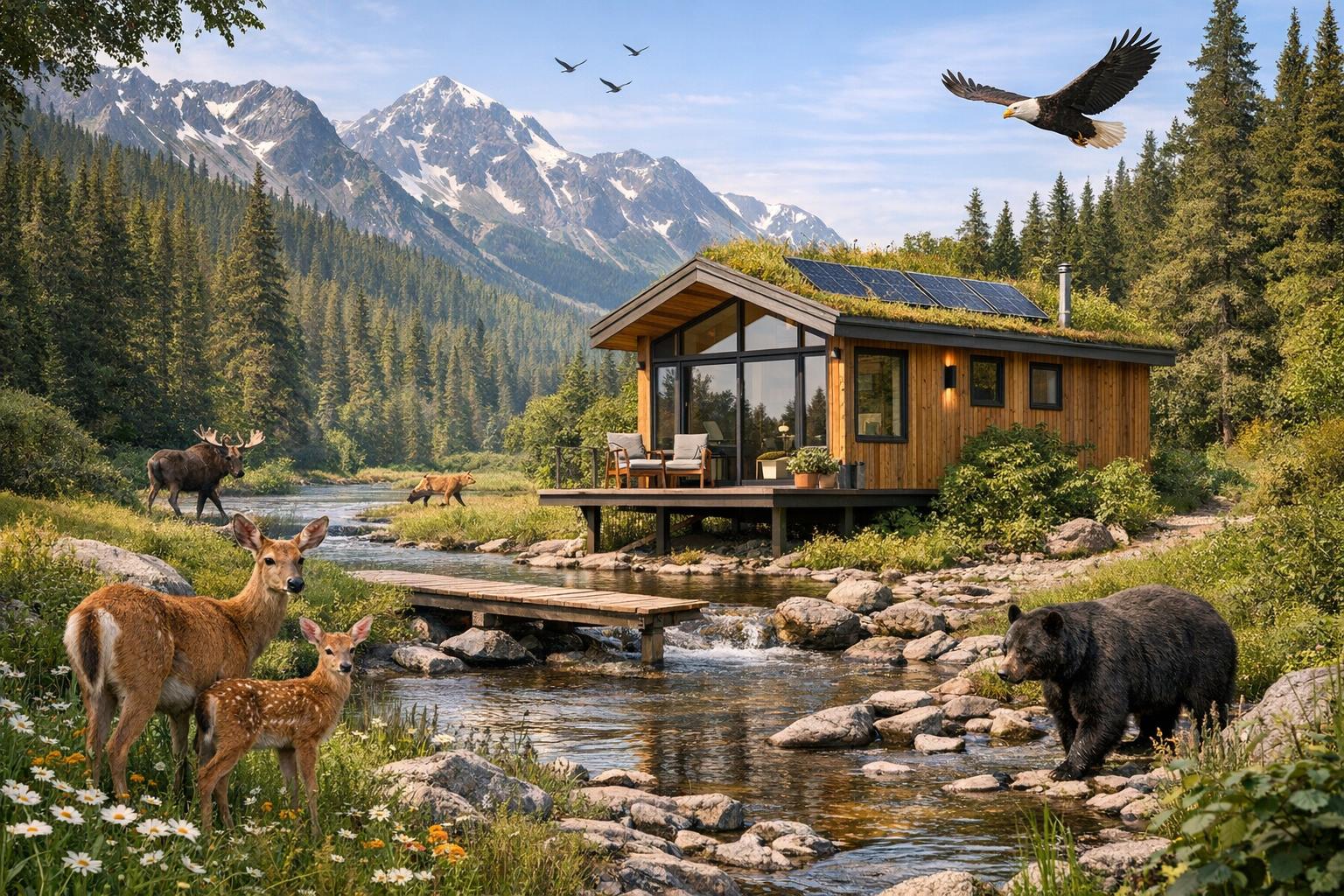
Wildlife Corridor ADU: Integrating Tiny Homes with Canadian Nature
Estimated reading time: 8 minutes
Key Takeaways
- Eco-friendly design: Integrating ADUs into wildlife corridors supports biodiversity and sustainable living.
- Thoughtful planning: Mapping natural features and preserving animal pathways are essential for maintaining connectivity.
- Smart siting: Placing tiny homes on already-disturbed areas minimizes habitat loss while enhancing property aesthetics.
- Collaborative approach: Engaging with local conservation authorities and Indigenous stewardship programs brings regional expertise to your project.
- Practical landscaping: Using native plants and eco‑friendly materials promotes a healthier ecosystem and a beautiful environment.
Table of contents
Canadians passionate about eco‑friendly living are embracing innovative ideas for home design. One standout idea is the wildlife corridor ADU—a strategy that integrates accessory dwelling units or tiny homes into a property, while deliberately maintaining and even restoring the natural pathways used by wild animals. This unique approach enriches both human living and wildlife experiences.
Understanding Wildlife Corridors
Wildlife corridors are protected or managed routes that allow animals to move safely between habitat patches. These corridors are vital because they enable animals to find food, mates, and shelter while helping preserve genetic diversity. Without such pathways, wildlife populations may suffer from isolation, leading to increased risks of disease and decline.
For more insight, explore resources like
Banff National Park: Wildlife Corridors and
Parks Canada: Ecological Corridors.
Integrating ADUs and Tiny Homes with Wildlife Corridors
A proper plan for a wildlife corridor ADU places nature at the forefront. First, map out natural features such as tree lines, hedgerows, and creeks that serve as animal pathways. Then, locate existing corridors by observing wildlife tracks and subtle trails. By keeping these corridors continuous and avoiding bottlenecks, you ensure that both wildlife and your tiny home coexist harmoniously.
Learn more about these strategies at
Ontario Guide: Identifying Movement Corridors and
Y2Y: Wildlife Movement Science.
Eco-Friendly Design and Landscaping Strategies
Designing an eco‑friendly ADU requires using low-impact building techniques. Build small and light by minimizing your footprint and opting for foundations that reduce soil disturbance. Choose durable, non‑toxic materials, and reduce outdoor lighting to lessen disruptions for wildlife.
Thoughtful landscaping further enhances corridor function: plant native species, expand vegetative strips, and protect riparian buffers. For practical tips, check out
Tiny Home Living: Your Complete Guide and
Parks Canada: Corridor Landscaping.
Case Studies and Illustrative Scenarios
Consider a mountain valley property near Banff where a tiny home is placed on an already‑cleared corner, with a native vegetative strip running along a gentle slope. This design preserves a crucial travel corridor for deer, carnivores, and birds, while offering privacy and an eco‑friendly lifestyle.
Another scenario from rural Ontario shows an ADU sited away from the natural linkage between a creek and woodlot. Native plantings reinforce the corridor, allowing amphibians, reptiles, and mammals to move freely while homeowners enjoy scenic views.
More detailed case studies can be found at
Banff Wildlife Corridors and
Ontario Movement Corridors Guide.
Practical Tips for Homeowners
Before initiating your project, take a detailed walk around your property at different times of the day and in various seasons to identify animal trails and key natural features. Use this observation to plan the placement of your ADU, ensuring that you steer clear of established wildlife routes.
Also, choose native plant species and manage landscaping to support wildlife without interfering with human activity. Consulting local conservation authorities and stewardship groups can provide tailored advice for your property.
Conclusion
Designing a wildlife corridor ADU blends modern living with environmental stewardship. With careful planning, eco‑friendly building practices, and smart landscaping, you can create a property that supports both human comfort and wildlife connectivity. By bridging the gap between development and nature, you contribute to a resilient and vibrant ecosystem.
Explore more at
Ontario: Animal Movement and Corridors Guide and
Parks Canada: Ecological Corridors Science.
Frequently Asked Questions
Q1: How can I identify wildlife corridors on my property?
A: Begin by walking your property at different times and seasons. Look for natural features like tree lines, hedgerows, creeks, and worn animal tracks. Consulting resources such as the Ontario Movement Corridors Guide can be very helpful.
Q2: What are the best eco‑friendly building practices for ADUs?
A: Focus on minimizing your building footprint, using low‑impact foundation methods, and selecting durable, non‑toxic materials. In addition, opt for energy‑efficient lighting and appliances. Resources like Tiny Home Living: Your Complete Guide provide detailed insights.
Leave a Reply