

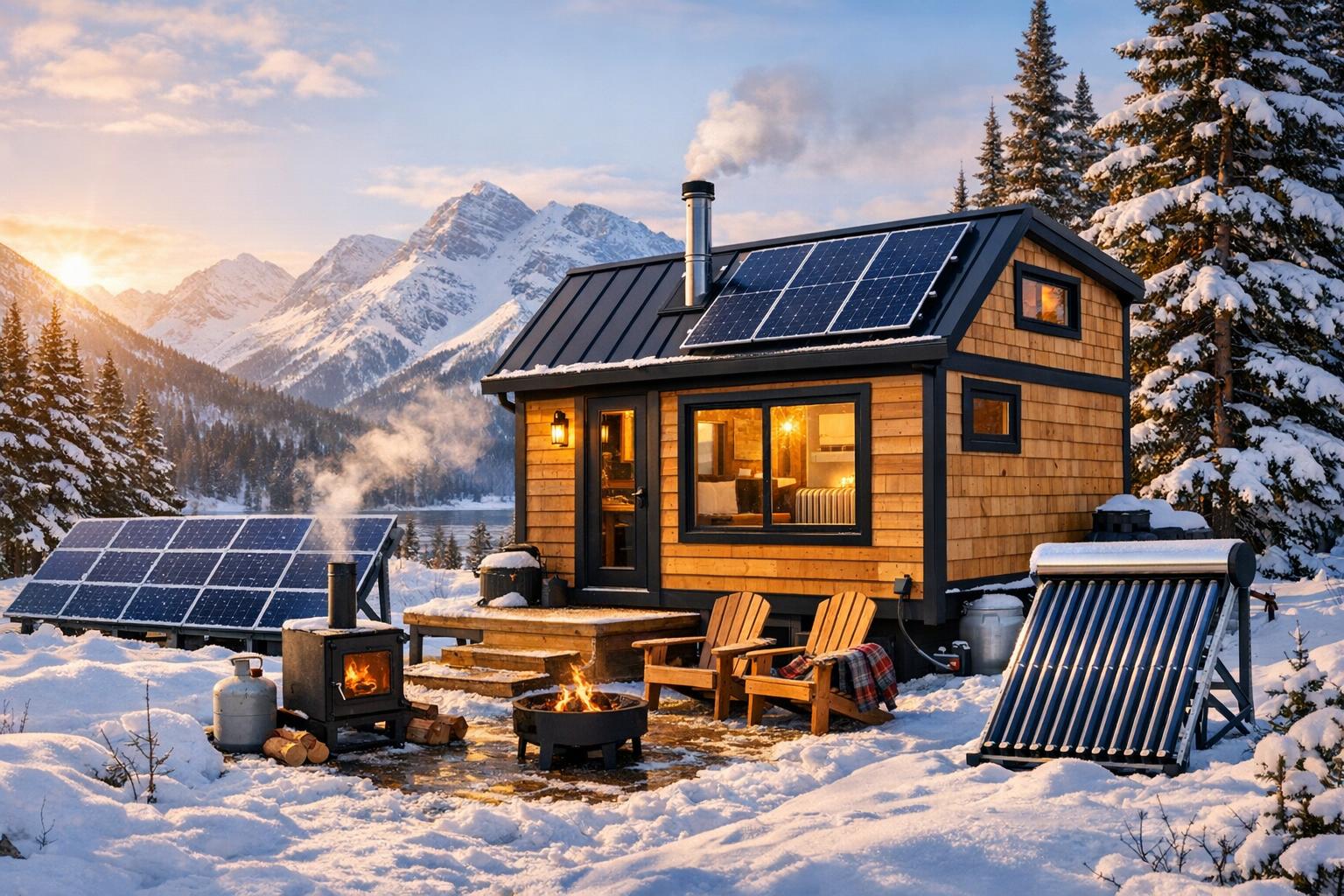
Solar-Powered Heating for Tiny Homes in Canada: A 2026 Guide
Estimated reading time: 10 minutes
Key Takeaways
- Energy Efficiency: Solar-powered heating reduces utility bills and lowers carbon footprints.
- Off-Grid Living: Tiny homes and ADUs can achieve energy independence even in harsh Canadian winters.
- Adaptable Solutions: Options include photovoltaic panels, solar thermal collectors, and hybrid systems for various needs.
- Permits & Incentives: Numerous rebates, tax credits, and local guidelines support sustainable retrofits.
Table of contents
Solar-powered heating for tiny homes is reshaping how Canadians approach energy efficiency. By harnessing the sun through photovoltaic panels or solar thermal collectors, homeowners can reduce reliance on traditional energy sources, lowering bills and minimizing environmental impact. Learn about off-grid living and understand the challenges posed by a Canadian climate as you explore this guide.
1. Understanding Solar Power in the Context of Tiny Homes and ADUs
What Is Solar Power?
Solar power transforms sunlight into usable energy. It works in two primary ways:
- Photovoltaic (PV) panels convert sunlight into electricity for heating and appliance use.
- Solar thermal collectors harness the sun’s heat to warm air, water, or spaces directly.
Tiny homes benefit from these systems, often requiring just a 1–5 kW solar system for spaces under 300 sq ft. For further details, visit tiny house solar power requirements or check out a beginner’s guide to off-grid solar.
2. Considerations for the Canadian Climate
Canada’s severe winters necessitate special adaptations for solar installations:
- South-facing panels to maximize sunlight exposure.
- Battery storage to capture excess energy for 3–5 days during low-sun periods.
- Hybrid setups combining solar with propane or wood backups ensure consistent heat during gloomy spells.
Enhancing insulation and using materials with high thermal mass are crucial. Discover more about solar heating in Canadian homes and off-grid strategies via this guide.
3. Step-by-Step Guide to Retrofitting Tiny Homes and ADUs with Solar-Powered Heating
Step 1: Assess Your Energy Consumption
Determine your tiny home’s daily energy use by listing appliances and their wattage. A basic setup might consume around 1,300 Wh per day excluding heavy heating.
Step 2: Evaluate Solar Exposure
Measure roof or wall space where panels can be installed and estimate sunlight hours. Use the formula: Panels required = Daily Wh ÷ (Panel Wattage × Sun Hours). For example, one 300W panel can suffice if you receive 5 sunlight hours daily. See this guide for more details.
Step 3: Choose the Right Technology
Decide between solar thermal collectors (ideal for direct heat) and PV panels with electric heaters. Hybrid systems, like heat pumps paired with solar, can also offer both heating and cooling efficiencies. More insights can be found in the beginner’s guide to off-grid solar.
Step 4: Plan Material and Installation Options
Select high-efficiency monocrystalline panels or versatile thin-film options. Consider solar-grade batteries or thermal storage units to store energy. DIY installations may work for low-voltage systems, but professional expertise is recommended for comprehensive setups. Check out off-grid installation tips for further guidance.
4. Material and System Options for Solar-Powered Heating Retrofits
- Solar PV Panels (Monocrystalline): Provide high efficiency for limited roof spaces. Details and costs are available here.
- Solar Thermal Collectors: Directly heat water or air, ideal for passive solar heating. See a case study for real-world applications.
- Solar-Powered Heat Pumps: Merge with PV systems to provide efficient climate control. More on integration can be found in the integration guide.
- Thermal Storage: Keep batteries or thermal units on hand to supply energy during low sunlight periods.
5. Regulations, Permits, and Incentives Relevant to Canadian Tiny Home Owners
Solar-powered heating retrofits require adherence to local building codes and electrical inspections. Permits vary by province—be it Alberta, BC, Ontario, or elsewhere. Always consult your local municipal office and use certified installers to ensure compliance.
Canada also offers several incentives such as federal rebates, tax credits, and net metering programs that can cover up to 50% of installation costs. Learn more about solar panel rebates and discover details in a guide to solar incentives.
6. Real-World Examples and Case Studies of Solar Power, Tiny Homes, and Energy Savings
Teacup Tiny Homes (Alberta):
- Deployed a solar air heater on the exterior wall paired with a 1.5–2 kW system and robust insulation.
- Achieved fully off-grid living even in severe winter conditions. Read the case study for details.
Cabins Unplugged: Solar-Powered HVAC Projects
- Integrated air-source heat pumps with solar arrays, significantly lowering energy bills.
- Utilized smart controls and thermal storage to maintain year-round comfort. Explore similar projects here.
Customer Stories: Tiny homes (200–300 sq ft) using 1.5–5 kW solar systems, coupled with battery backups and excellent insulation, have reported near-zero energy bills. See more on tiny home solar case studies and off-grid success stories.
Conclusion: Why Solar-Powered Heating for Tiny Homes Is the Future in Canada
Solar-powered heating not only slashes utility bills but also empowers tiny home owners with energy independence and sustainability. With proper insulation, south-facing panels, and sufficient battery storage, even the harsh Canadian winters become manageable.
Start by evaluating your current energy needs, measuring your solar exposure, and researching local incentives. The path to a greener, more resilient home is clear—embrace the future of solar-powered heating today.
Frequently Asked Questions
Q1: Can solar-powered heating work in sub-zero temperatures?
A1: Yes, when paired with adequate insulation and battery storage, solar-powered systems can operate efficiently even in extreme Canadian winter conditions.
Q2: What size solar system does a typical tiny home require?
A2: Most tiny homes (200–300 sq ft) usually require a 1–5 kW solar system, depending on energy usage and insulation.
Q3: Are DIY installations viable for solar-powered heating?
A3: DIY installations can work for smaller, low-voltage systems, but professional installation is recommended for larger or integrated setups to ensure compliance with local codes.
Q4: Where can I find more information about off-grid solar solutions?
A4: Additional details and case studies are available in resources like the beginner’s guide to off-grid solar.
Leave a Reply