

Estimated reading time: 8 minutes
Key Takeaways
- Innovative Housing Solution: ADUs provide a practical and efficient way to support caregiver housing and medical staff accommodations.
- Enhanced Recruitment & Retention: Onsite accommodations help reduce commute times and improve work-life balance, contributing to higher staff retention.
- Cost-Effectiveness & Flexibility: Utilizing existing properties for ADUs cuts down on construction costs while optimizing available space for healthcare needs.
- Regulatory & Design Considerations: Compliance with local zoning laws, building codes, and healthcare-specific design features is crucial for successful ADU projects.
- Collaborative Stakeholder Engagement: Coordination among municipal bodies, healthcare providers, and designers ensures that ADUs meet both operational and community goals.
Table of Contents
Introduction: ADUs for Healthcare in the Canadian Context
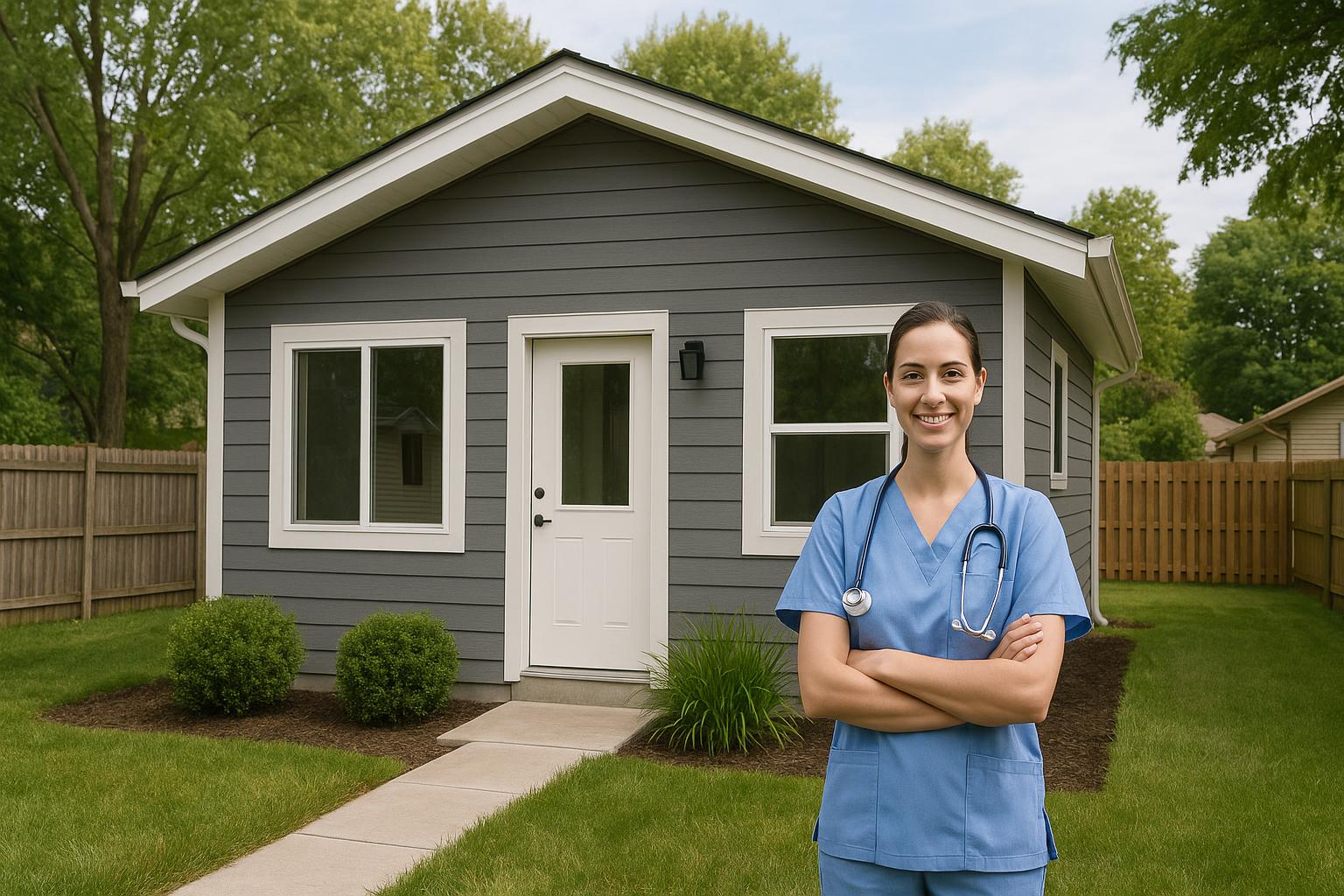
Accessory Dwelling Units (ADUs) for healthcare are rapidly gaining attention across Canada as an innovative solution to persistent challenges facing the national healthcare system. These specially designed units offer dedicated caregiver housing and onsite accommodations for medical staff, directly supporting operational needs in hospitals, clinics, and home care settings.
In the midst of Canadian healthcare staffing challenges, ADUs for healthcare provide much-needed flexibility by offering practical onsite accommodations close to workplaces. This strategic approach not only helps with recruitment and retention of essential workers but also supports the unique demands facing medical staff, caregivers, and healthcare administrators.
By incorporating ADUs for healthcare, property owners and healthcare providers can address key gaps in the system, contribute to community wellness, and take part in a growing movement reshaping Canadian healthcare housing options.
More on best practices: Accessory Dwelling Units – Principles and Best Practices (PDF) | Home Health Care ADUs in Canada | Accessory Dwelling Units: The Ultimate Guide to ADUs for Canadian Property Investment | ADUs: A Complete Guide to Benefits, Design, Financing, and Legal Tips for Homeowners and Investors | Affordable Housing: Innovative Solutions and Practical Strategies for Budget-Friendly Homes
Understanding ADUs for Healthcare: Caregiver Housing & Medical Staff Accommodation
What Are ADUs for Healthcare?
An ADU for healthcare is a self-contained residential unit built on the same lot as an existing home or healthcare facility, designed specifically to house healthcare workers, caregivers, or medical staff. Unlike typical ADUs used for short-term rentals or extra income, these units are tailored to prioritize proximity to patient care and feature specialized designs that meet the demanding schedules and privacy needs of healthcare personnel.
- Healthcare-specific ADUs vs. traditional ADUs:
- Focus on rapid response, accessibility, and privacy for shift workers.
- Cater to the unique requirements of healthcare staff rather than general rental purposes.
For example, ADUs used as caregiver housing are fundamental in maintaining intergenerational care and multi-family support. In Canadian cities and rural locations facing an aging population, these dedicated suites allow caregivers to live close to those in need while offering affordable, flexible accommodation for medical staff.
“Unlike traditional ADUs, those designed for healthcare prioritize proximity to patient care and specialized design elements that support healthcare worker schedules.”
Explore design accessibility further with Designing Accessible Tiny Homes and ADUs: A Comprehensive Guide to Barrier-Free Accessible Design.
“Dedicated caregiver housing is critical to support intergenerational care arrangements.”
For multigenerational housing strategies, see Multigenerational Living with ADUs: Innovative Family Housing, Privacy Solutions, and the Future of Canadian Homes.
Benefits of ADUs for Healthcare: Supporting Medical Staff & Caregivers
Boosting Recruitment and Retention of Medical Staff
- Onsite accommodations for healthcare staff:
- Reduce commute times, resulting in lower stress and increased reliability.
- Demonstrate institutional support and a commitment to staff well-being.
- Create a safe, quiet living environment optimized for shift work.
- Impact on staff well-being:
- Well-rested healthcare workers make better clinical decisions.
- Lower burnout rates and reduced turnover contribute to improved service levels.
“Rested healthcare workers improve clinical decision-making capacity.”
Explore how ADUs support seniors and healthcare workers with Tiny Home for Seniors: Innovative, Accessible, and Community-Centric Living Solutions.
Cost-Effectiveness & Flexibility
- Utilize existing properties instead of building costly new structures.
- Generate sustainable income for homeowners while supporting essential healthcare accommodations.
- Redirect financial resources toward critical patient care and services.
For financial insights, see ADUs: A Complete Guide to Benefits, Design, Financing, and Legal Tips for Homeowners and Investors and Affordable Housing: Innovative Solutions and Practical Strategies for Budget-Friendly Homes.
Better Work-Life Balance with Onsite Accommodations
- Reduces commuting time, freeing up more hours for rest and family.
- Enhances job satisfaction and overall staff engagement.
Improved Healthcare Access in Rural & Underserved Areas
- Provides immediate, affordable housing solutions for medical staff in rural locations.
- Attracts new talent by addressing local housing shortages.
- Strengthens healthcare services where they are needed most.
“Rural and remote communities often report better healthcare retention rates when housing options for staff are improved.”
For rural ADU guidance, see Rural Tiny Home Opportunities: A Comprehensive Guide to Land Use, Zoning, and Development in the Canadian Countryside.
Requirements and Considerations for Building ADUs for Healthcare Using Canadian Healthcare Guidelines
Zoning and Building Code Regulations
Each Canadian province approaches ADU regulations differently:
- British Columbia & Alberta: Both attached and detached ADUs are permitted in many municipalities, with increasing support for secondary suites.
- Ontario: Municipalities must permit ADUs on the same lot as primary dwellings.
- Quebec: Law 31 permits ADU construction in previously restricted zones until August 2029, after which renewed permission may be required.
Review local regulations before proceeding, as urban zones may have strict limitations compared to more flexible rural guidelines.
Research further: Canadian Zoning Practices | Quebec Law 31 | Canadian ADU Regulations: A Comprehensive Provincial Guide
Healthcare-Specific Design Considerations
- Accessibility: Design barrier-free entryways and spacious interiors to meet ADA-like standards. For more details, see Accessible ADU Design: A Comprehensive Guide.
- Privacy and Soundproofing: Implement quiet zones and enhanced sound control measures, as recommended in Soundproofing Tiny Homes: Essential Strategies for Privacy and Noise Reduction.
- Safety Features: Incorporate secure access points, improved lighting, and emergency response systems.
- Infection Control: Utilize separate HVAC systems, individual laundry facilities, and clear entry/exit designs to minimize disease transmission.
- Proximity to Care: Strategically locate ADUs to ensure rapid access to healthcare facilities.
Additional resources: Design Guide: Home Health Care ADUs | More Best Practices (PDF) | Noise Reduction in Canadian Housing
Integration with Healthcare Facilities and Authorities
Strong coordination between facility administrators, municipal planners, and healthcare representatives is essential to ensure that ADUs align with both operational requirements and zoning laws.
Financing Options and Incentive Programs
- Edmonton’s Cornerstones Program: Offers up to 50% of construction costs for qualified ADUs, capped at $20,000 for lower-income healthcare staff rentals.
- Quebec Law 31: Provides for municipal incentives or direct funding when proper documentation for caregiver housing is submitted.
Explore in detail: Incentives in Edmonton & Best Practices (PDF) | Details on Quebec Law 31 | The Ultimate Guide to ADU Financing Canada
Infection Control Measures in Onsite Accommodations
- Implement non-shared HVAC and plumbing systems.
- Ensure discrete, direct access entries separate from other dwellings.
- Select surface materials and layouts that facilitate thorough cleaning and infection prevention.
Adopting these measures is essential for safe and effective medical staff housing. See Design Guidelines & Research and Accessory Dwelling Units: Principles & Practices (PDF) for further details.
Addressing Staffing Shortages with ADUs: Strengthening Canadian Healthcare
Canadian Healthcare Staffing Shortages: The Context
- Nursing Shortage: Hospitals and long-term care facilities struggle with maintaining adequate staff levels.
- Recruitment & Retention Barriers: High housing costs and limited affordable options deter skilled professionals.
- Burnout and Staff Turnover: High stress and inadequate rest lead to frequent turnover in healthcare settings.
The Canadian Medical Association and the Canadian Nurses Association emphasize affordable, safe housing as a critical factor in attracting and retaining healthcare talent.
How Onsite Accommodations through ADUs Bolster Staff Availability
- Provide near-instant housing solutions for new hires and rotating staff.
- Reduce absenteeism and boost overall morale and punctuality.
- Foster a culture of teamwork and stable scheduling.
“Accessory Dwelling Units – Principles and Best Practices” highlights that thoughtfully planned ADUs can increase available housing stock and enhance employment stability.
Related reading: Addressing Healthcare Worker Housing Needs through ADU Policy and Design
Practical Steps for Property Owners and Healthcare Providers: Developing ADUs for Healthcare
Feasibility Assessment for ADUs in Canadian Healthcare
- Evaluate Lot Size: Confirm that your property meets the minimum area requirements for an ADU. More on Quebec guidelines.
- Assess Infrastructure: Evaluate if the current water, sewer, and electrical systems can support an additional unit.
- Location Analysis: Verify that your site is suitably close to hospitals, clinics, or home care settings.
- Review Bylaws and Zoning: Understand local constraints related to property type, environmental overlays, or agricultural designations.
Location, Design, and Occupant Needs Analysis
- Occupancy Model: Determine if the ADU will serve permanent staff, rotating caregivers, or family-based support.
- Design Selection: Choose between detached backyard suites, over-garage suites, or attached units based on your site.
- Adaptability: Consider designs that accommodate changing healthcare and staffing needs over time.
- Staff Needs: Prioritize features such as privacy, soundproofing, and dedicated rest areas for shift workers.
Stakeholder Engagement & Collaborative Governance
Engage with municipal planning departments, healthcare designers, and administrators to ensure the ADU meets regulatory and operational requirements. Address neighborhood concerns about density, parking, and community impact while establishing clear guidelines on occupancy and maintenance.
Ongoing Management and Maintenance Planning
After construction, maintain regular tenant communications, perform periodic inspections, and update features as needed. Annual reviews are essential to ensure continued compliance with evolving safety and health standards.
Conclusion: Why ADUs for Healthcare Are the Future of Canadian Medical Staff Housing
Accessory Dwelling Units for healthcare present a proven, adaptable solution to address staffing challenges and housing shortages in Canadian healthcare. Investing in caregiver housing and onsite accommodations enhances recruitment, retention, and overall quality of care.
By improving work-life balance and reducing staff burnout, ADUs help create a supportive environment that leads to better patient care and resilient communities. Integrating ADUs into Canadian healthcare strategies is a forward-thinking approach aligning with modern needs and regulatory developments.
For more comprehensive details, refer to Accessory Dwelling Units – Principles and Best Practices (PDF) and Accessory Dwelling Units: The Ultimate Guide to ADUs for Canadian Property Investment.
Frequently Asked Questions
What are ADUs for healthcare?
ADUs for healthcare are purpose-built residential units constructed on or near existing properties, designed specifically to provide housing for caregivers and medical staff.
How do ADUs help with staffing shortages?
By providing onsite accommodations, ADUs reduce commuting challenges, boost staff morale, and create a more stable living environment that attracts and retains essential healthcare workers.
What regulatory factors must be considered?
It is essential to review local zoning laws, building codes, and provincial regulations, as these can vary significantly and affect the design and construction of ADUs.
Can ADUs be customized for healthcare needs?
Yes, ADUs can incorporate specialized features such as accessibility enhancements, soundproofing, safety measures, and infection control systems tailored to the demands of healthcare workers.
Are there financing options available for ADU projects?
Many municipalities and provinces offer incentive programs, grants, and financing solutions to support ADU development, especially when aimed at addressing staffing challenges in healthcare.
By working together to create and manage ADUs for healthcare, Canadians can help strengthen healthcare services and improve overall community well-being.
Leave a Reply