
Smart Water Management: Transforming Canadian ADUs with Technology and Sustainability
Estimated reading time: 7 minutes
Key Takeaways
- Integration of Technology and Sustainability: Smart water management uses IoT sensors, smart meters, and automation systems to optimize water conservation in Canadian ADUs and tiny homes.
- Enhanced Leak Detection: Rapid detection of leaks and usage anomalies helps prevent damage and reduces water waste.
- Infrastructure and Climate Adaptability: These systems address challenges posed by aging infrastructure and extreme seasonal climates, ensuring resilient operation year-round.
- Smart Conservation Strategies: Combining efficient fixtures, intelligent monitoring, and data-driven insights leads to significant water savings and lower utility costs.
- Real-World Success: Case studies demonstrate substantial savings and improved sustainability for both urban and off-grid Canadian homes.
Table of contents
- Introduction: Smart Water Management in Canadian ADUs
- Water Challenges in Canadian ADUs and Tiny Homes
- Smart Water Management Technologies for ADUs
- Conservation Strategies Relevant to Canadian ADUs
- Sustainability Impact of Smart Water Management
- Case Studies and Real-World Examples
- Conclusion
- Call to Action
- Frequently Asked Questions
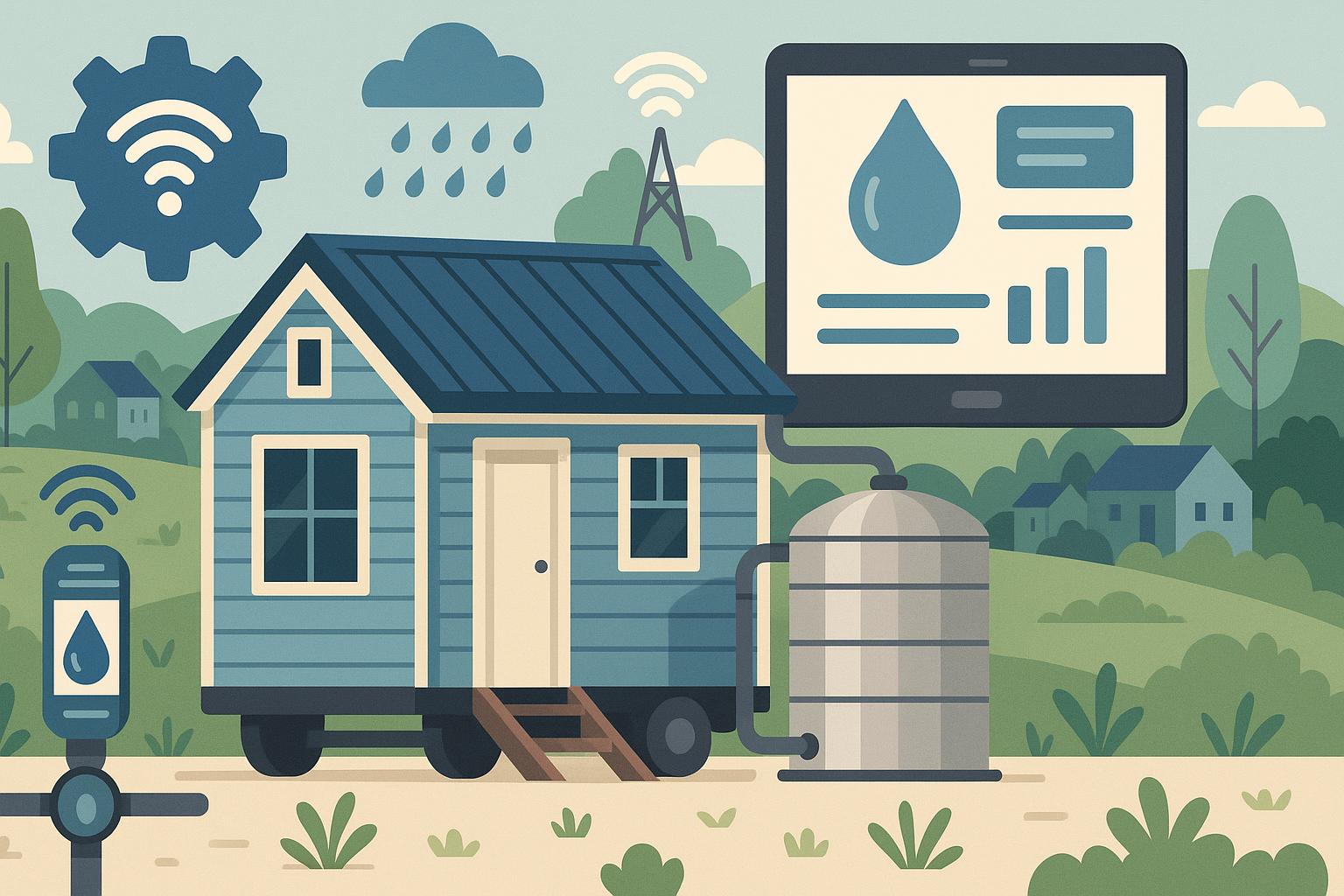
Smart water management means using technology—such as IoT sensors, smart meters, automation systems, and data analytics—to monitor, control, and reduce water use in real time. This integration of digital systems, from wireless meters to cloud-connected dashboards, enables precise tracking, rapid leak detection, and efficient water use management in Canadian ADUs and tiny homes.
In compact, eco-conscious spaces, every drop matters. Efficient water management helps keep utility costs low, prevents structural damage from unnoticed leaks, and supports sustainability goals across communities. For an in-depth exploration of these solutions, visit the International Water Resources Association and learn about smart water strategies from Homewater’s guide.
Water Challenges in Canadian ADUs and Tiny Homes
Unique Water Conservation and Infrastructure Issues:
- Amplified Impact in Small Spaces: In a tiny home or ADU, even a minor leak can lead to significant damage and costly repairs. Rapid detection is therefore crucial.
- Aging Infrastructure: Many Canadian neighbourhoods operate with outdated water systems that can struggle with additional loads from new ADUs. This can result in backflow issues and overburdened systems. For further insights, see Utility Connections in Canadian ADUs.
- Seasonal Climate Variability: From harsh winters increasing pipe burst risks to summer droughts prompting water restrictions, the need for adaptive water management is clear. Explore strategies in Climate Resilient ADUs.
- Variability in Off-Grid Water Supply: Rural ADUs relying on wells or cisterns face unique challenges that require reliable smart monitoring solutions. Discover more about Off-Grid Living.
Smart Water Management Technologies for ADUs
Technology Innovations for Smart Water Management:
Smart Water Meters and Sub-Meters:
- Function: Capture real-time water use at the unit level.
- Benefits: Enable accurate billing, identify usage patterns, and detect leaks instantly. Learn more from Smart Home Technology for ADUs.
IoT Sensors and Leak Detection:
- Types: Include flow, acoustic, moisture, and pressure sensors.
- How They Help: Immediate alerts and automated shut-offs protect homes, especially during adverse weather. Details can be found in Smart Home Security for Tiny Homes and ADUs.
Smart Valves and Automated Controls:
These systems automatically cut off water supply when leaks are detected, a critical feature during Canadian winters to prevent flooding.
Smart Irrigation Systems:
They use real-time weather data and soil moisture readings to optimize outdoor watering. For additional context, visit Landscaping Ideas for ADUs.
Greywater Recycling and Rainwater Harvesting:
Systems that capture, filter, and reuse water not only reduce demand on municipal supplies but also enhance sustainability. Explore guides like Greywater Recycling ADU for more details.
Data Platforms and Mobile Apps:
Dashboards and apps provide visual reports of water use, allowing users to quickly identify trends and take action. See more in Tiny Home Automation.
Conservation Strategies Relevant to Canadian ADUs
How to Achieve Water Conservation in Small Canadian Homes:
1. Design & Fixture Selection:
- Water-Efficient Fixtures: Install low-flow faucets, aerators, and dual-flush toilets to drastically reduce water consumption.
- Optimized Plumbing Layout: Compact designs reduce hot-water run lengths and minimize wastage.
2. Technology and Conservation Integration:
- Pairing efficient fixtures with smart monitors enables precise tracking of water use and immediate leak detection. Refer to peer-reviewed research on smart water management.
- Smart irrigation, drought-tolerant landscaping, and rainwater harvesting work together to optimize outdoor water use.
3. Smart Appliances and Behaviour-Driving Technology:
- Smart Appliances: Dishwashers and washing machines with eco-modes and Wi-Fi connectivity help reduce unnecessary water use.
- Behavioural Insights: Mobile apps deliver notifications and usage feedback, encouraging sustainable water habits. More insights are available from Wiley Online Library.
Sustainability Impact of Smart Water Management in the Canadian Context
Environmental and Societal Benefits:
- Reduced Water Footprint: Every litre saved minimizes pressure on municipal systems and lowers treatment costs.
- Lower Energy Consumption: Reductions in water use decrease the energy needed for pumping, heating, and distributing water.
- Enhanced Resilience: Automated alerts and rapid responses protect homes from damage due to leaks and extreme weather events.
Alignment with Canadian Sustainability Goals:
Smart water management supports climate adaptation, sustainable building codes, and reduced carbon footprints. For related case studies, check out Veolia’s smart water management blog and further peer-reviewed studies.
Case Studies and Real-World Examples
Example 1: Multi-Unit Canadian Building with Smart Systems
- Installation of smart sub-meters and IoT leak detectors across several rental units, including ADUs, allowed for near-instantaneous leak detection and accurate tenant billing.
- This approach not only decreased water waste but also reduced the load on municipal water systems. Read more from Integricon Group’s portfolio.
Example 2: Hypothetical Laneway House
- Equipped with smart water meters, leak detectors, smart irrigation, and rainwater harvesting, this ADU decreased municipal water use by over 35%.
- Enhanced resilience to drought and winter freezes ensured lower utility bills and minimized repair costs. Additional sustainable practices are explored in Tiny Sustainable Living.
Conclusion
Smart water management brings together technology, conservation, and sustainability for Canadian ADUs and tiny homes. By leveraging advanced smart meters, IoT sensors, automation, and mobile apps, homeowners can monitor every drop, reduce waste, and prevent costly leaks.
This practical and eco-friendly approach not only cuts utility bills but also aligns with Canada’s ambitious climate and sustainability goals. The integration of technology and conservation strategies is essential for creating resilient, efficient, and affordable living spaces in small urban and rural settings.
For further reading, refer to trusted sources such as the International Water Resources Association, Homewater’s blog, and the latest peer-reviewed research.
Call to Action
Start making your Canadian ADU or tiny home more resilient, efficient, and sustainable today:
- Audit Your Water Use: Identify leaks, inefficient fixtures, and areas for improvement.
- Research Smart Technologies: Explore smart sub-meters, leak sensors, and data dashboards that suit your space. Compare products and read up on best practices.
- Consult Local Experts: Work with trusted professionals to ensure the proper installation and integration of these systems.
- Phase Your Upgrades: Begin with easy wins like low-flow fixtures and progress toward full-scale smart water management setups.
- Utilize Incentive Programs: Take advantage of local rebates and utility offers to reduce initial costs while boosting long-term savings.
Frequently Asked Questions
Q1: What is smart water management?
A: It is the use of digital technologies such as IoT sensors, smart meters, and automated controls to monitor and conserve water use in real time.
Q2: How does smart water management benefit Canadian ADUs?
A: It helps detect leaks quickly, reduces water wastage, lowers utility costs, and supports sustainable living practices vital for compact residential spaces.
Q3: Are these systems complicated to install?
A: While installation may require professional help, many devices are designed for easy integration and can be upgraded in phases to meet budget and complexity requirements.
Q4: Can smart water management help during extreme weather?
A: Yes, automated leak detection, smart shut-off valves, and weather-adaptive irrigation systems make homes more resilient to both winter freezes and summer droughts.
Leave a Reply