

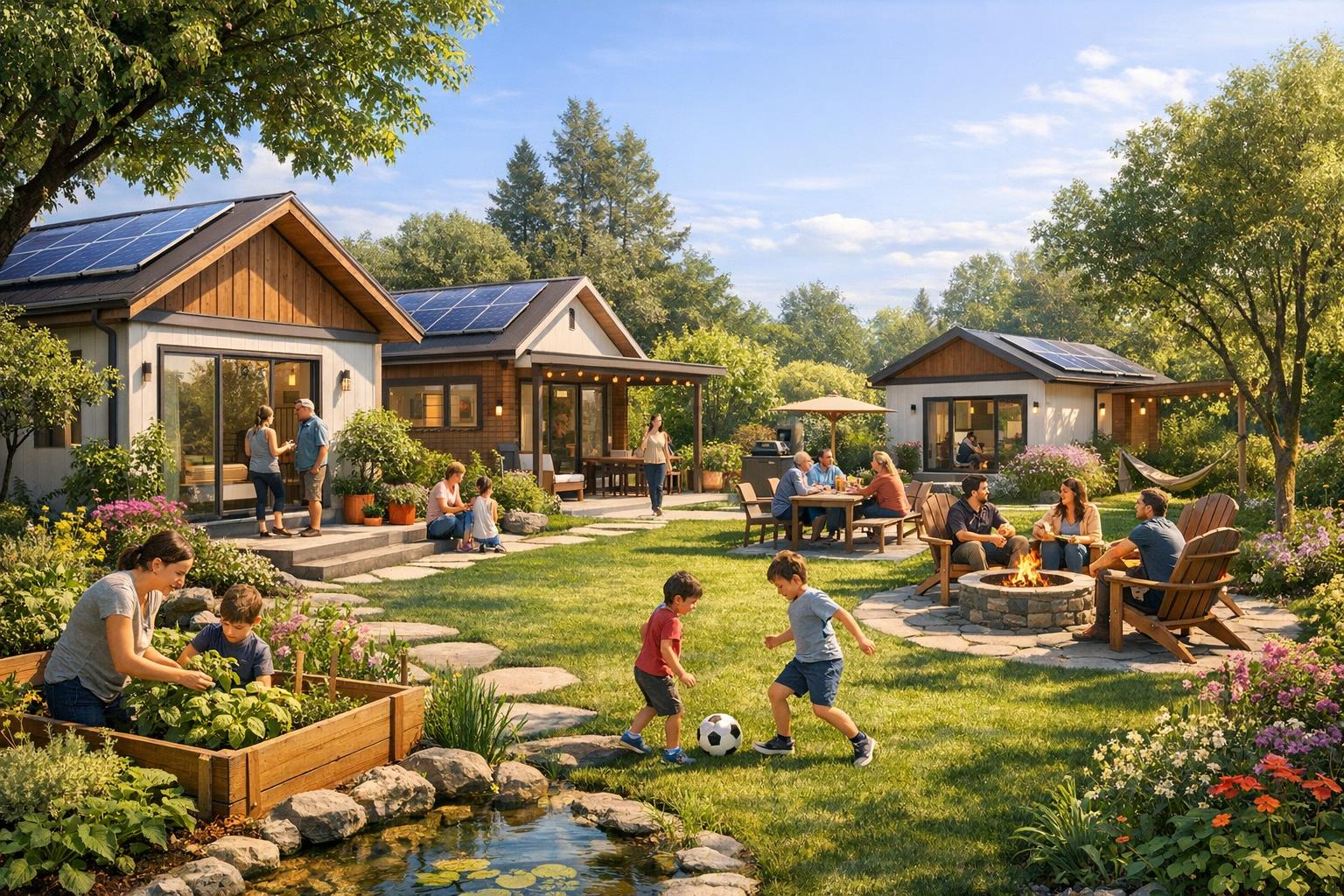
Maximizing Green Space with Shared ADU Backyards (2026)
Estimated reading time: 10 minutes
Key Takeaways
- Innovative Space Utilization: Shared ADU backyards combine individual yards into a green, communal space that maximizes land use.
- Community & Sustainability: These spaces foster neighborly bonds and sustainable practices, such as collaborative gardens and eco-friendly designs.
- Smart ADU Integration: Incorporating modern ADU designs, from green roofs to renewable energy options, creates seamless outdoor living areas.
- Regulatory and Practical Tips: Clear communication, pilot projects, and understanding local bylaws are essential for success.
Table of Contents
- Introduction: Shared ADU Backyards in Canadian Communities
- Understanding Shared ADU Backyards: Community-Focused Green Spaces
- The Role of ADU Design in Shared Backyards
- Creating Collaborative Gardens
- Maximizing Outdoor Spaces for Community Living
- Practical Tips for Homeowners
- Conclusion: Transforming Yards into Shared, Sustainable Spaces
- Call to Action: Start Your Shared ADU Backyard Journey
- Frequently Asked Questions
Shared ADU backyards are reshaping how Canadians think about outdoor living. Combining the backyard spaces of neighbouring homes with accessory dwelling units (ADUs) creates a larger, communal green area for everyone. Instead of isolated private yards, homeowners collaborate to design a functional and engaging outdoor space.
With housing shortages, evolving family structures, and an urge for stronger communities, shared backyards are making waves in Canadian neighborhoods. These innovative ADUs—such as garden suites and laneway houses—are encouraged under updated zoning bylaws in cities like Toronto, opening up pathways to multigenerational living and extra rental income.
Learn more about the rise of ADUs and shared outdoor spaces in Toronto from NovaCon and Aeras Dwellings.
The Role of ADU Design in Shared Backyards: Building Seamless Outdoor Spaces
A well-planned ADU design is key to realizing the potential of shared backyards. Effective ADU design integrates communal outdoor living spaces with private comfort, blending aesthetics with practicality.
Key Elements of Smart ADU Design:
- Vertical or rear placement: Positioning two-storey units or garden suites preserves the majority of the backyard for shared use.
- Eco-friendly materials: Options such as vinyl plank flooring and green roofs enhance both environment and design.
- Unified look: Consistency in architectural style creates a harmonious shared environment.
For practical layout ideas—like laneway positioning, green roofs, and solar panels—explore further at NovaCon, Aplus Construction Remodeling, and Adustart.
Creating Collaborative Gardens: Gardens as Communal Outdoor Spaces
At the heart of shared ADU backyards often lie collaborative gardens. These communal plots invite neighbours to grow vegetables, fruits, and flowers together, boosting local sustainability and shared ownership.
What Are Collaborative Gardens?
- Grow fresh produce: Neighbours share the work and harvest, providing healthy, local vegetables and fruits.
- Beautify the space: Flower beds add colour and attract pollinators, enhancing curb appeal.
- Support biodiversity: Dedicated pollinator habitats encourage native species like bees and butterflies.
Start small with a single plot, rotate responsibilities, and pool resources for supplies. Learn more about the benefits of communal gardening at NovaCon, Aplus Construction Remodeling, and Adustart Urban Gardening Solutions.
Maximizing Outdoor Spaces for Community Living: Features Beyond Gardening
Shared ADU backyards are versatile, serving not only as gardens but also as dynamic spaces for play, relaxation, and social gatherings.
Ideas for Functional Shared Outdoor Spaces:
- Play zones: Design areas that are safe for children and pets alike.
- Seating and gathering areas: Incorporate benches, picnic tables, or fire pits to invite casual social interactions.
- Rooftop terraces and porches: Utilize vertical space to offer elevated areas while keeping the ground level open.
Privacy Solutions:
- Use strategic fencing or natural boundaries like trees and shrubs to delineate spaces without isolating them.
- Plan zonal layouts to provide flexible, designated areas for varied uses.
These enhancements not only improve livability but also contribute to environmental efforts with permeable surfaces and green infrastructures. For more design inspiration, visit Aplus Construction Remodeling and NovaCon.
Practical Tips for Homeowners Looking to Implement Shared Backyards: Get Started Step by Step
Transforming the concept of shared backyards into reality requires thoughtful planning and neighbourly collaboration.
How to Start a Shared Backyard Project:
- Start the Conversation: Introduce the idea during community events or online neighbourhood groups and propose a trial project.
- Organize a Pilot Project: Begin with a single shared garden or seating area involving a few homes to test feasibility.
- Document Agreements: Clearly outline maintenance responsibilities, shared expenses, and usage times to prevent misunderstandings.
Navigating Regulations and Legalities:
- Check local city bylaws—especially in cities like Toronto—to ensure compliance with ADU and shared space rules.
- Consult with professionals such as city planners and landscape designers.
- Secure the necessary permits before starting construction or landscape modifications.
For more tips and guidance, see resources from NovaCon, Aplus Construction Remodeling, and Aeras Dwellings.
Conclusion: Transforming Yards into Shared, Sustainable Spaces
Shared ADU backyards unlock the untapped potential of individual yards by transforming them into vibrant, eco-friendly communal spaces. This model not only enhances property utilization but also champions sustainability and fosters enduring community bonds.
Smart ADU designs bridge the gap between private comfort and communal benefits, while collaborative gardens and multi-functional outdoor spaces redefine local living. In embracing shared backyards, homeowners take a bold step toward a more inclusive, resourceful, and sustainable future.
Discover more success stories and innovative ideas at NovaCon and Aplus Construction Remodeling.
Call to Action: Start Your Shared ADU Backyard Journey
Are you ready to transform your green space and strengthen community connections? Begin by discussing the potential of a shared ADU backyard with your neighbours. Explore innovative ADU designs and envision an outdoor space where collaborative gardens and communal living become a reality.
- Reach Out: Consult local professionals familiar with Canadian bylaws and sustainable practices.
- Connect Locally: Use your next community event or social media group to present your ideas and gather feedback.
- Imagine the Future: Visualize a neighborhood where shared spaces foster creativity, inclusion, and lasting bonds.
For inspiration and expert advice, check out insights from Aeras Dwellings.
Frequently Asked Questions
Q1: What exactly are Shared ADU Backyards?
A: They are communal outdoor spaces created by merging adjacent backyards, where accessory dwelling units are integrated to optimize land use and build community.
Q2: How do shared backyards improve neighborhood bonds?
A: By encouraging collaborative projects like gardening and shared maintenance, they create natural opportunities for neighbourly interaction and mutual support.
Q3: Are there regulatory concerns for starting a shared backyard project?
A: Yes, it’s crucial to check local zoning bylaws and obtain necessary permits. Consulting city planners and professionals can help navigate these regulations.
Q4: What design elements are essential for a successful shared backyard?
A: Key elements include eco-friendly materials, strategic layout for shared amenities, and integrating features like green roofs and permeable paving to support sustainability.
Leave a Reply