

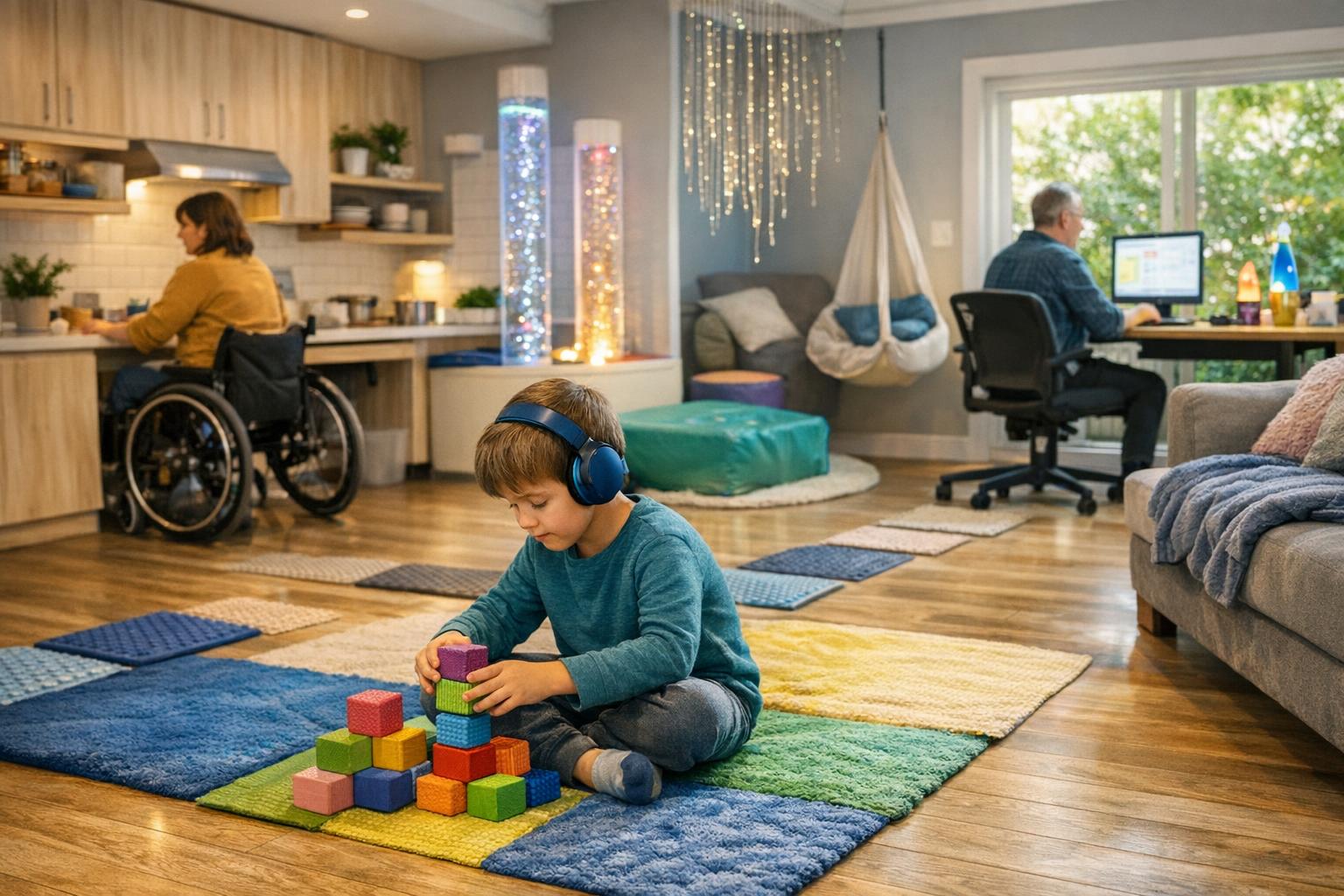
Neurodiverse ADU Design: Barrier-Free, Accessible Homes for 2025
Estimated reading time: 8 minutes
Key Takeaways
- Inclusive Design: Neurodiverse ADU design integrates sensory-friendly and barrier-free strategies to create truly accessible homes.
- Adaptable Spaces: Flexible and modular layouts support various needs, from neurodivergent individuals to aging residents.
- Smart Technology: Integration of voice-controlled devices, sensor-triggered lighting, and automated features boosts independence.
- Universal Principles: Emphasizing universal design ensures future-proof homes that accommodate evolving lifestyles.
- Research-Backed: Designs follow recommendations from inclusive architecture experts and national accessibility standards.
Table of contents
Introduction
Accessory dwelling units (ADUs) are transforming Canadian living. In 2025, neurodiverse ADU design brings barrier-free and accessibility-focused features to the forefront, ensuring homes support everyone – from neurodivergent individuals to those with physical disabilities.
By integrating sensory-friendly layouts, adaptable features, and smart technologies, designers are reimagining living spaces that empower independence and well-being.
Understanding Neurodiversity and Accessibility Needs
Neurodiversity celebrates the natural variations in how people think and process information. Many Canadians experience different sensory and cognitive needs which traditional homes might not address. Designs that integrate elements from sources like accessible design insights ensure spaces are calming, navigable, and flexible.
Accessibility goes beyond physical access; it includes managing sensory input, clear visual cues, and adjustable settings for lighting and acoustics.
Key Principles of Barrier-Free ADU Design
Effective ADU design removes both physical and sensory barriers. Core principles include:
- Open Concept Layouts: Creating spaces that offer clear circulation and reduce sensory overload.
- Adjustable Lighting: Incorporating dimmable and layered lighting systems that adapt to personal comfort.
- Sound Absorption: Utilizing acoustic panels and soft materials to minimize disruptive noise.
- Modular Structures: Flexibility through movable walls and adaptable furniture, preparing spaces for changing needs.
These principles are aligned with modern housing codes and are championed by experts, including insights from inclusive design resources.
Practical Design Strategies for Neurodiverse ADUs
A successful ADU design balances sensory needs with spatial organization. Popular strategies include:
- Sensory-Friendly Elements: Installing dimmable LED lighting, acoustic panels, and non-slip flooring to create calm environments.
- Spatial Zoning: Defining distinct zones for social activities and quiet retreats, often enhanced by visual cues like contrasting colors.
- Adaptable Features: Using height-adjustable counters, roll-in showers, and movable partitions for maximum flexibility.
- Smart Home Integration: Employing voice-controlled devices, sensor-triggered lighting, and automated routines to support daily living.
These strategies are backed by research from organizations such as accessible technology specialists and reflect the evolving standards for Canadian homes.
Compliance and Innovations in Accessibility for 2025
With new guidelines emerging, designs now incorporate mandatory adaptability and standardized accessibility measures. Requirements include wide doorways, ramps, and lever-controlled fixtures as set out by documents like the
Canada Accessibility Plan.
Innovations such as AI-based navigation aids, tactile paths, and on-demand quiet pods are pushing the boundaries of traditional design, ensuring ADUs remain inclusive and future-ready.
Case Studies & Design Inspiration
Real-world examples highlight the transformative power of barrier-free design. At Kwantlen Polytechnic University and the University of Calgary’s Neuro-Inclusion Studio, adaptable layouts and sensory tools have been effectively integrated to support neurodivergent users.
Furthermore, initiatives like NI House’s Building Homes That Work demonstrate how community feedback can drive continuous innovation in accessible design.
Conclusion
Neurodiverse ADU design is more than a trend—it’s a commitment to building homes that honor all forms of human diversity. By focusing on sensory-friendly features, flexible layouts, and integrated smart technologies, ADUs of 2025 set a new standard for accessibility and independence.
Embracing these design principles not only benefits neurodivergent and disabled Canadians but ensures every resident enjoys a home that promotes dignity, comfort, and lasting value.
Call to Action
Have you experienced or contributed to neurodiverse ADU design? Share your insights below and join the conversation. For those ready to start a project, connect with certified accessible design consultants or explore resources from groups such as Accessible ADU Design Canada.
Stay informed about the latest trends in barrier-free living by subscribing to our blog – together, we can build a more inclusive future.
Frequently Asked Questions
-
Q1: What is neurodiverse ADU design?
A: It is an approach that prioritizes sensory-friendly layouts, adaptable features, and inclusive technologies to support neurodivergent and disabled residents.
-
Q2: How does barrier-free design differ from traditional ADU design?
A: Barrier-free design goes beyond physical accessibility by addressing sensory challenges and integrating flexible, user-centric elements.
-
Q3: What smart technologies can be integrated in these ADUs?
A: Features include voice-controlled devices, sensor-triggered lighting, automated shades, and routine reminders, all aimed at promoting independence.
-
Q4: Where can I find more information?
A: For further reading, refer to resources from Rick Hansen’s inclusive design blog and other expert guides linked throughout this post.
Leave a Reply