

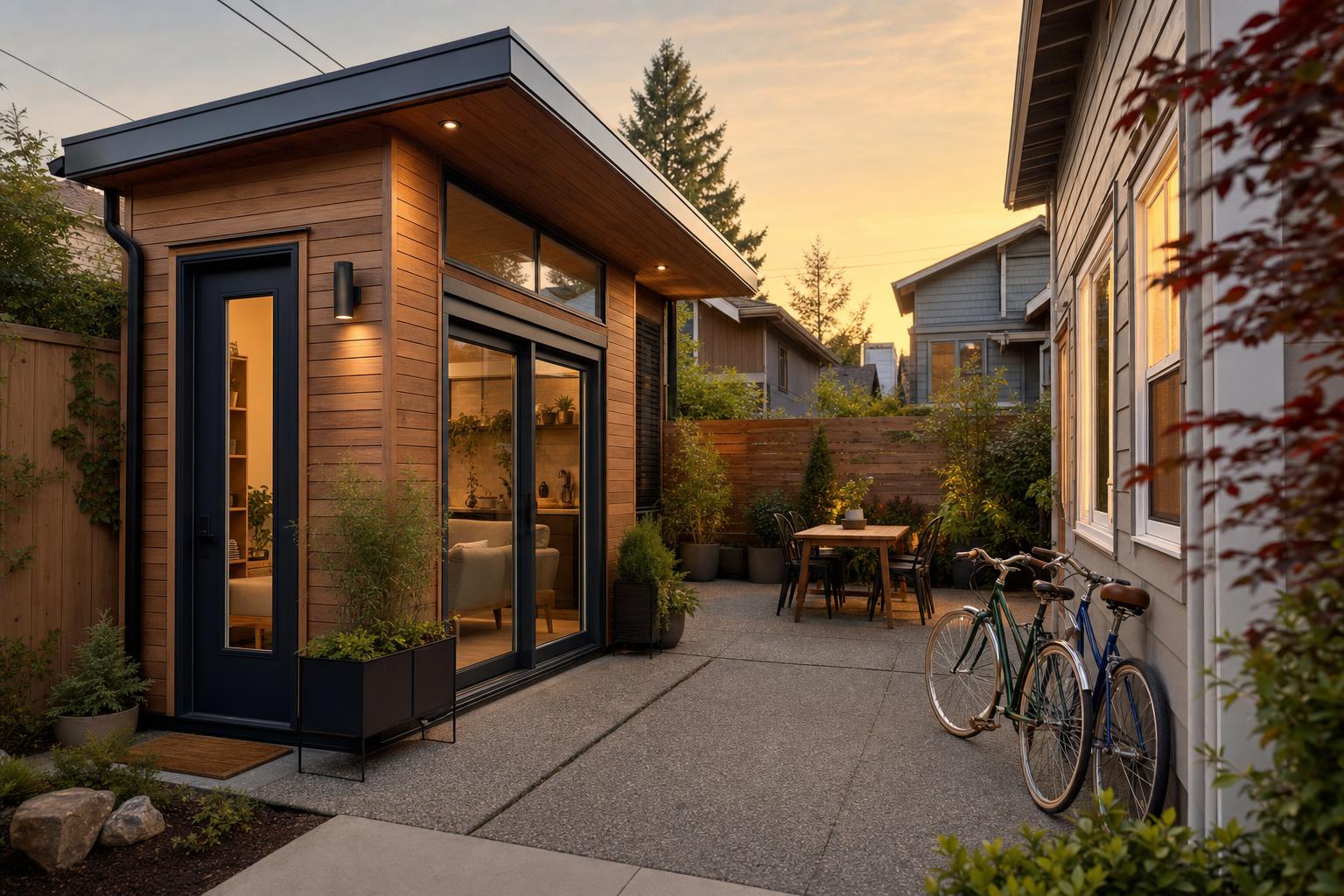
Shared ADUs in Canada (2026): Co-living Rules, Roommate Agreements, Mental Health, and Conflict Resolution
Estimated reading time: 12 minutes
Key Takeaways
- Shared ADUs include basement suites, laneway houses, coach houses, garden suites, and garage conversions shared by unrelated occupants.
- In 2026, shared ADUs are gaining attention across Canada because housing costs remain high and cities are supporting gentle density through options like accessory dwelling units in Canada, the future of the ADU market in Canada, and even pre-approved detached ADU designs.
- Local rules matter most. Zoning, permits, occupancy limits, and tenancy treatment can vary by province, municipality, and property.
- Strong roommate agreements reduce confusion around rent splits, chores, guests, quiet hours, and conflict resolution.
- Mental health in small shared homes deserves active planning through boundaries, quiet time, and respectful communication.
- Early conflict resolution prevents small-space tension from becoming a major living problem.
Table of contents
- What Are Shared ADUs?
- Legal and Regulatory Essentials for Canadians
- Screening and Choosing Roommates for Shared ADUs
- How to Create Strong Roommate Agreements for Shared ADUs
- Practical Co-living Tips for Small-Space Shared ADUs
- Mental Health in Shared ADUs: Protecting Well-Being in Small Spaces
- Conflict Resolution for Shared ADUs
- Financial Checklist and Templates for Shared ADUs
- Safety, Privacy, and Security Best Practices
- Real-Life Examples, FAQs, and Common Pitfalls
- Frequently Asked Questions
Shared ADUs are accessory dwelling units such as basement suites, laneway houses, coach houses, garden suites, and garage conversions that are shared by unrelated roommates or tenants in a compact home setup. In 2026, they are getting more attention across Canada because housing costs are high, cities are adding density in practical ways, and more people want flexible co-living that costs less than a full apartment.
This guide is for homeowners considering renting out an ADU, hosts or landlords managing a small shared home, and renters exploring co-living. You will learn the basics of local rules, how to screen for a good fit, how to create better roommate agreements, how to protect mental health in close quarters, and how to approach conflict resolution before a problem gets worse.
This article also refers to practical tools such as a fillable roommate agreement template, a shared ADU checklist, and a conflict resolution flowchart. Keep in mind that rules vary by province, city, and even by property. This article is general information, not legal advice. Before relying on any rule in 2026, confirm it with your local tenancy board, municipal planning office, or a lawyer. Shared ADUs are part of a larger housing shift, with more support for unlocking ADU potential, more densification, and a growing market for Canadian ADU terms and models.
What Are Shared ADUs?
A shared ADU is a self-contained home on the same lot as a main house, but lived in by more than one unrelated person under a shared arrangement. It usually has its own kitchen, bathroom, and entrance.
In Canada, common shared ADUs include:
- Basement suites or secondary suites
- Laneway houses
- Coach houses
- Garden suites
- Garage conversions
There are two common setups.
Owner-occupied shared ADUs
The homeowner lives on the property and rents out the ADU or shares it. This can affect privacy, access, insurance, and how day-to-day household issues are handled.
Rental shared ADUs
The ADU is fully occupied by tenants or roommates. In these situations, daily living often depends more heavily on clear systems and strong roommate agreements.
These differences matter because local rules may treat on-site owners and full rental occupancy differently. Insurance needs can also change. So can household expectations.
Benefits of co-living in shared ADUs
- Often cheaper than a standalone rental
- Can create income for homeowners
- Helps students, workers, newcomers, and budget-minded renters
- Adds gentle density to existing neighbourhoods
Challenges of co-living in shared ADUs
- Less privacy
- More noise sensitivity
- Shared utility use
- More need for cleaning systems and written expectations
The key point is simple: successful co-living in shared ADUs depends on planning, compatibility, and structure. It should not depend on luck.
Canadian cities are seeing more ADU adoption, including detached models and co-living concepts such as co-living ADU developments in Canada and tiny home co-living in Canada. Comparisons like ADU vs. home addition cost comparison also help explain why smaller housing options are drawing more interest.
Legal and Regulatory Essentials for Canadians
There is no single Canada-wide rulebook for shared ADUs. The rules depend on your province, your municipality, and sometimes the zoning rules for your exact property. In 2026, every rule should be checked locally.
What is true in one city may not be true in another.
Zoning and municipal bylaws for shared ADUs
Cities decide many of the core rules, including:
- Whether ADUs are allowed on the property
- Whether detached and attached ADUs are treated differently
- Setback requirements
- Parking rules
- Lot coverage limits
- Occupancy limits
- Whether multiple unrelated occupants are allowed
For example, St. Catharines pre-approved detached ADU designs include planning details such as parking and siting requirements. That does not mean every city follows the same model. It is wise to review a local Ontario ADU zoning guide or resources on tiny home friendly municipalities in 2026 if relevant to your region.
Permits and approvals
Legal shared ADUs usually need proper building permits, code compliance, and inspections. Some municipalities may offer faster approvals or pre-approved plans, but owners still need to follow local requirements. If an ADU is not legal, it can create serious issues for safety, insurance, and tenancy.
Helpful starting points include guides on ADU permits in Canadian cities and a broader Canadian ADU regulations guide.
Lease, roommate agreements, and legal status
A lease is the formal rental contract. It sets the legal tenancy terms between owner and tenant.
Roommate agreements are different. They are private agreements between occupants about living rules, shared costs, chores, and dispute handling. In some provinces, a roommate sharing arrangement may not create the same legal relationship as a tenancy. That can depend on whether the owner lives on site, whether people are co-tenants, and how the arrangement is structured.
In simple terms:
- Lease: legal rental contract
- Roommate agreement: shared living rules between occupants
- House rules: practical behaviour rules attached to the lease or agreement
Owners or landlords generally must provide a safe and habitable space. Tenants and roommates must pay rent and follow agreed terms. But how the law treats unrelated roommates can vary, so check your provincial tenancy authority and review resources on rental contracts for tiny homes in Canada.
Insurance and liability
Owners should tell their insurer about shared occupancy and ask about landlord or rental property coverage. Tenants should get renters’ insurance for personal belongings and liability. Shared spaces create more chances for accidental damage, water issues, kitchen fires, and disputes about who caused what.
See practical guidance on ADU insurance in Canada and ADU renter insurance in Canada.
Health and safety codes
Legal ADUs commonly need:
- Safe exits and egress windows for bedrooms
- Smoke alarms
- Proper ventilation
- Fire-rated separations where required
- Safe occupancy levels
Overcrowding can create both safety and legal problems. Safety-focused references include tiny home fire safety in Canada and even local concerns like noise bylaws for ADUs.
When to get legal help
Get legal or housing-office guidance for:
- Custom lease drafting
- Privacy or surveillance concerns
- Serious disputes
- Eviction-related questions
- Renovations or new ADU construction
Quick links and resource starting points
- Ontario Landlord and Tenant Board
- BC Residential Tenancy Branch
- Your city’s building and permit pages
- St. Catharines ADU resource page
- ADU legal clinic Canada 2026
Use the version that matches your province or city. Rules for shared ADUs, co-living, and roommate agreements are local first, not national first.
Screening and Choosing Roommates for Shared ADUs
In small shared ADUs, compatibility matters almost as much as affordability. One mismatched roommate can turn daily life into constant stress. Good screening lowers the risk of future conflict resolution problems.
A practical screening process includes:
- Asking for past landlord or roommate references
- Verifying income or employment stability
- Using lawful credit or background checks with written consent, if appropriate
- Holding a real meet-and-greet in person or by video
Ask questions that show lifestyle fit, not just ability to pay:
- What does a clean kitchen mean to you?
- How often do you usually have overnight guests?
- How do you prefer to handle conflict with roommates?
- Are you an early riser, shift worker, student, or remote worker?
- How do you feel about shared purchases and bill-splitting?
Also ask about:
- Noise tolerance
- Smoking, vaping, and alcohol habits
- Pets and allergies
- Cooking style
- Temperature preferences
Watch for red flags:
- Inconsistent income explanations
- Evasive answers
- Poor references
- Strong lifestyle mismatch
- Refusal to discuss expectations
If someone is not the right fit, reject politely and focus on the home’s needs, not blame.
“We’re looking for someone whose schedule and living style align more closely with this home.”
Good co-living starts before move-in. Strong screening supports better roommate agreements and easier conflict resolution later. Related resources include optimizing rental unit profitability and guidance on who can live in an ADU in Canada.
How to Create Strong Roommate Agreements for Shared ADUs
Roommate agreements are written agreements between occupants that set clear expectations for daily living, cost-sharing, chores, boundaries, and conflict resolution in a shared home.
In shared ADUs, these agreements matter even more because space is tight. Small habits become big problems faster. If expectations stay vague, resentment grows.
First, keep the key documents clear:
- Lease: formal legal rental contract with the landlord or owner
- Roommate agreement: rules and financial terms between occupants
- House rules: day-to-day behaviour guidelines that may be attached to either one
A roommate agreement does not replace legal tenancy paperwork. It should fit with provincial rules and the lease.
Core clauses to include in roommate agreements
Rent split
Choose a method that matches the space.
Options include:
- Equal split
- Split by room size
- Split by amenity access
- Split by income, if everyone agrees
Sample wording: “Base rent is split 40/30/30 based on bedroom size and storage access.”
Utilities
State clearly whether utilities are:
- Split equally
- Based on usage
- Capped
- Paid by one person and reimbursed by others
Also include due dates and how proof of payment will be shared.
Deposits and damage
Explain whether damage is shared or assigned to the person who caused it. State how move-out deductions will be handled and how damage will be documented.
Guests and overnight visitors
Set rules for:
- Advance notice
- Number of nights
- Shared-space use
- Respect for quiet hours
Subletting and replacement roommates
State whether subletting is allowed. If yes, explain the approval process and notice rules.
Cleaning and chores
This is one of the biggest sources of tension in co-living. Set:
- Cleaning zones
- A schedule
- Products to use
- The standard expected
- What happens after repeated non-compliance
Shared supplies
List what is pooled and what is personal. Common examples:
- Toilet paper
- Dish soap
- Garbage bags
- Spices
- Paper towels
Quiet hours
Set exact times. Also define what counts as unacceptable noise, such as speaker use, loud calls, or late-night laundry.
Smoking, vaping, cannabis, and alcohol
State allowed locations, if any, and any zero-tolerance rules.
Pets
Clarify:
- Who owns the pet
- Who pays for damage
- How allergies are handled
- Cleaning expectations
Common spaces
Set rules for:
- Fridge shelves
- Cabinet zones
- Bathroom storage
- Entryway clutter
- Laundry timing
- Shared furniture use
Move-out process
Include:
- Notice period
- Cleaning standards
- Key return
- Replacement roommate process
- Inspection steps
Conflict resolution clause
Add a clear process:
- Discuss the issue informally
- Hold a house meeting if needed
- Use mediation or formal steps if the issue continues
This written structure helps stop “you never told me” disputes. It gives everyone the same baseline to return to. In shared ADUs, that can make the difference between stable co-living and a fast breakdown in trust.
Useful background reading includes tiny home co-ownership 2026.
Practical Co-living Tips for Small-Space Shared ADUs
Many problems in shared ADUs are not legal problems. They are systems problems. If storage, chores, bills, and routines are unclear, small annoyances build up fast. Good co-living systems protect comfort and mental health.
Space planning
Small ADUs need smart storage. Use:
- Vertical shelving
- Under-bed bins
- Hooks
- Over-door organizers
- Rolling carts
Give each person fixed storage zones. That alone can stop many arguments.
Furniture that works harder
Choose multi-use items such as:
- Storage ottomans
- Sofa-beds
- Folding tables
- Wall desks
- Stackable chairs
If a room has more than one use, privacy dividers can help.
Kitchen and bathroom systems
Label things clearly:
- Pantry shelves
- Fridge bins
- Bathroom caddies
- Cleaning tools
Set routines for:
- Dishwashing
- Garbage and recycling
- Bathroom turnover
- Laundry timing
Shared household systems
A shared calendar can track:
- Chores
- Quiet hours
- Guest visits
- Bill due dates
Meal planning or grocery pooling can work, but only if everyone agrees. Do not force a system that creates more tension than it solves.
Utilities management
Pick one clear model:
- Equal split
- Metered or submetered use
- One person pays and others reimburse
Low-cost tools can help track shared expenses and avoid memory-based disputes. Helpful references include utility connections for Canadian ADUs, a tiny home utilities Canada guide, and whether an ADU can have separate meters.
Tech and security
Useful tools may include:
- Smart locks
- Room locks, if lawful and appropriate
- Guest Wi-Fi or separate password rules
Be careful with cameras. In shared residential spaces, privacy issues can be serious.
Many ADUs are compact, which is why simple storage, layout, and bill systems matter so much. Resources like tiny home storage solutions and smart furniture for Canadian ADUs can help make small spaces feel more workable.
Mental Health in Shared ADUs: Protecting Well-Being in Small Spaces
Mental health can be harder to protect in shared ADUs because privacy is limited. In a small home, noise, clutter, moods, and habits are more visible. That can lead to overstimulation, stress, loneliness, or anxiety even when people mean well.
Common stressors include:
- Constant noise or sensory input
- No real downtime
- Uneven social expectations
- Feeling watched or judged
- Lack of control over shared spaces
- Feeling alone even while living with others
Good co-living should include well-being systems, not just rent systems.
Simple ways to protect mental health
- Set private time expectations
- Create quiet hours and quiet zones
- Make social time optional, not required
- Normalize headphones, closed doors, and solo routines
- Hold short check-ins before resentment builds
- Ask each roommate to name one non-negotiable well-being need
For one person, that may mean no loud noise after 10 p.m. For another, it may mean no surprise guests.
Boundaries matter
Physical boundaries
- Assigned shelves
- Dedicated desks
- Separate food bins
- Laundry schedules
Emotional boundaries
- No forced emotional support
- No late-night heavy talks unless agreed
- No pressure to explain private issues
Digital boundaries
- Do not share photos, messages, or entry codes without consent
When someone may need support
Watch for signs such as:
- Withdrawal
- Irritability
- Big sleep changes
- Distress
- Hopeless statements
Respond with care, not diagnosis.
“You seem overwhelmed lately. Do you want space, or do you want help finding support?”
Mental health resources in Canada
- Wellness Together Canada
- 988 Suicide Crisis Helpline
- Provincial and local community supports
Protecting mental health is not extra. It is part of making shared ADUs sustainable. Helpful reading includes tiny homes and mental health in Canada, wellness design ideas, and guidance on privacy in tiny homes.
Conflict Resolution for Shared ADUs
Conflict resolution works best when issues are addressed early, clearly, and respectfully. In shared ADUs, small annoyances can become major disputes if people avoid talking about them.
Step 1: Raise the issue early
Use calm, specific language. Focus on behaviour and impact, not personality.
Example: “I feel stressed when the sink is left full overnight because I can’t use the kitchen in the morning.”
That works better than: “You are so messy.”
Step 2: Go back to the roommate agreement
Roommate agreements give everyone a neutral baseline. They reduce arguments about memory and fairness.
Ask:
- What happened?
- Which clause applies?
- What outcome does each person want?
Step 3: Hold a house meeting
Pick a neutral time. Discuss one issue at a time. End with:
- One agreed action
- One deadline
- One review date
Step 4: Use simple mediation techniques
Try this method:
- Person A explains the issue
- Person B repeats back what they heard
- Then switch
After that, brainstorm several solutions. Pick one trial solution and review it later.
Step 5: Escalate if needed
If the issue continues, move up carefully:
- Written summary of the issue
- Community mediation
- Landlord involvement, if relevant
- Provincial tenancy resources
- Legal advice for serious cases
Short example
Two roommates in a basement ADU kept clashing over late-night cooking and morning noise. Instead of arguing again, they used their roommate agreement, revised quiet hours, moved one person’s meal prep earlier, and split kitchen cleanup more clearly. The issue improved because the solution was specific.
Unresolved conflict harms sleep, focus, and mental health. Early conflict resolution protects emotional safety and helps co-living last longer. See also sound management strategies and noise reduction in Canadian housing.
Financial Checklist and Templates for Shared ADUs
Money confusion is one of the fastest ways to create tension in shared ADUs. Clear tracking matters.
A basic shared budget should cover:
- Rent
- Hydro or electricity
- Heat
- Water, if billed
- Internet
- Parking
- Tenant insurance
- Shared cleaning supplies
- Shared household basics
- Move-in costs
Fair ways to split costs
Rent can be split:
- Equally
- By room size
- By private bathroom access
- By exclusive storage or parking access
Fair does not always mean equal. A larger room or extra storage may justify a higher share.
Useful shared documents include:
- Rent split worksheet
- Move-in and move-out inspection form
- Shared items inventory
At move-in, document the condition of the ADU and any furniture with photos. That helps if there is damage later or if people disagree about what was already worn.
Cost-sharing matters because ADUs are often used to improve affordability for both owners and renters. Related resources include ADU financing in Canada and ADU grants and municipal incentives in Canada.
Safety, Privacy, and Security Best Practices
Safety and privacy are basic needs in shared ADUs, especially when unrelated adults live close together. They also affect trust and mental health.
Basic safety and security steps
- Use strong exterior door locks
- Set clear key or code rules
- Consider bedroom locks if lawful and appropriate
- Set visitor rules
- Store medication, ID, and valuables safely
Privacy and cameras
Cameras in residential spaces can create legal and trust problems. Outdoor surveillance may be treated differently from indoor monitoring. Indoor audio recording is especially sensitive. If any monitoring technology is being considered, full disclosure and legal review are wise before use.
Emergency planning
- Post fire escape routes
- Confirm bedroom egress
- Share emergency contacts
- Decide what happens if a roommate is away during an emergency
Legal ADUs are usually designed with safety features such as proper exits and code-based design requirements. Those details matter even more in co-living homes where more than one person may need to exit quickly. See also forest fire safety for tiny homes in Canada and flood-resistant ADU design in Canada.
Real-Life Examples, FAQs, and Common Pitfalls
Success example
A homeowner with a laneway ADU used references, income checks, and a detailed roommate agreement before renting to two unrelated tenants. The agreement covered guests, cleaning, quiet hours, and shared costs. The result was a stable co-living setup that lasted two years with only minor issues.
Failure example
In a basement ADU, three roommates moved in with no screening, no clear guest rules, and no cleaning system. Overnight visitors became frequent, bills were paid late, and mess built up. Stress rose, mental health suffered, and one roommate moved out early after months of avoidable conflict resolution problems.
Common pitfalls
- Skipping bylaw research
- Relying on verbal promises
- Choosing based only on price
- Ignoring warning signs
- Waiting too long to discuss problems
Canadian cities are showing growing ADU uptake, but local rules still control how shared ADUs can operate. Even when municipalities offer planning or design support, it should be verified for current availability. See references on ADU-friendly neighbourhoods in Canada and an urban infill guide.
Successful shared ADUs rest on three main pillars: legal compliance, clear written expectations through roommate agreements, and healthy communication that protects mental health and supports conflict resolution.
Use this guide as a starting point only. Local rules change, and they are not the same across provinces or cities. Check municipal permit pages, provincial tenancy resources, insurance terms, and qualified legal help where needed. If stress or conflict starts to affect well-being, mental health support matters just as much as any written agreement.
Frequently Asked Questions
Can multiple unrelated people live in a shared ADU in Canada?
Sometimes. It depends on local zoning, bylaws, and occupancy rules. Always confirm with your municipality before assuming a setup is allowed.
Do I need roommate agreements if everyone gets along?
Yes. Roommate agreements are most useful before problems happen. They reduce confusion and set expectations while everyone is still on good terms.
Is a roommate agreement the same as a lease?
No. A lease is the legal rental contract. A roommate agreement covers shared living terms between occupants.
What if a roommate is affecting my mental health?
Revisit boundaries, document the issue, seek support, and use the conflict resolution process early. Waiting often makes the situation harder.
Can I put cameras inside a shared ADU?
Use extreme caution and get legal guidance. Privacy concerns in shared residential spaces can be serious.
Are shared ADUs a good option in Canada right now?
For many people, yes. They can improve affordability and flexibility, but only when the setup is legal, well-managed, and supported by clear expectations.
Leave a Reply