

Estimated reading time: 14 minutes
Key Takeaways
- Tiny home decor in 2026 works best when it is flexible, modular, warm, and easy to store.
- In small homes, seasonal decorating should rely on a few meaningful changes in colour, texture, lighting, and accents rather than adding more stuff.
- Canadian conditions matter: moisture resistance, safety, layered lighting, and practical entry storage should shape every decorating choice.
- Multicultural and inclusive decorating works best when it is respectful, symbolic, and scaled to the space.
- A seasonal capsule approach helps tiny homes stay fresh all year without creating clutter fatigue.
Table of contents
- Why seasonal decorating matters in tiny homes and ADUs
- Tiny space design fundamentals for year-round decorating
- A simple seasonal decorating strategy that works all year
- Winter and holiday decorating ideas for tiny homes in Canada
- Spring refresh for tiny homes and ADUs
- Summer styling and outdoor extension for tiny spaces
- Fall and harvest decorating for cozy small spaces
- Multicultural and community-minded festive decorating
- ADU- and renter-specific decorating advice
- Quick DIY and styling recipes
- 2026 design trends readers can use without overcrowding a tiny home
- Visual and downloadable assets to include
- Frequently Asked Questions
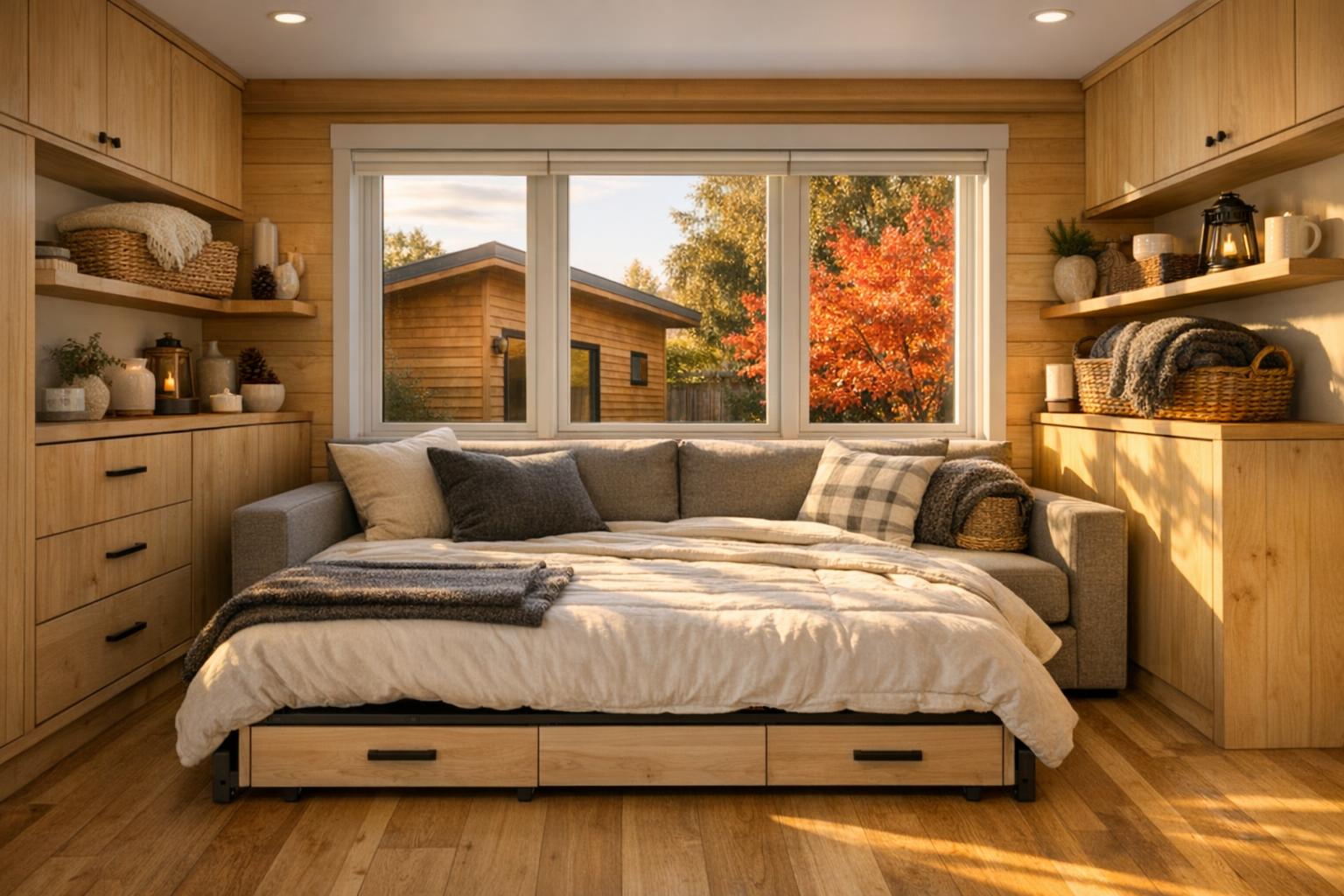
Tiny home decor means decorating choices made for compact homes, ADUs, micro-apartments, and small rental units where every item must earn its place. In 2026, the best tiny home decor is flexible, modular, warm, and easy to store.
This guide shows how to handle seasonal decorating in a small footprint without creating clutter. It is built for real Canadian life too: long winters, short daylight hours, snow, slush, coastal rain, dry Prairie cold, and the need for practical storage and moisture-resistant materials.
You will also find festive ideas for a wide range of Canadian holidays and multicultural celebrations, with safety, inclusivity, renter rules, and small space design in mind. The focus is year-round, so your home can feel fresh in every season, not only during winter.
Why seasonal decorating matters in tiny homes and ADUs
In a small home, even a small change can shift the whole mood. The eye sees nearly the whole room at once, so one throw, one lamp, one wreath, and one table accent may be enough to change the atmosphere.
Seasonal decorating means making low-clutter updates that reflect the time of year through:
- colour
- texture
- lighting
- a few meaningful accents
It does not mean filling every shelf.
This matters because tiny home decor has a stronger effect in compact rooms. A small update can:
- boost mood during dark months
- add ritual and comfort
- help guests feel welcome
- refresh the home without renovation
This matters even more during Canadian holidays and changing weather. Long winters make layered light and soft textures feel important. Wet boots, salt, and mud call for practical choices. Many homes also celebrate more than one tradition, so decor should stay flexible and respectful.
Layered textures and layered lighting are widely used to make compact interiors feel warmer and more inviting. Multi-functional styling also helps small homes create a strong look without adding too many items. See these references on layered compact interior styling and multi-functional small-home design ideas.
Tiny space design fundamentals for year-round decorating
Good small space design is the base of all smart seasonal styling. Before buying holiday decor, get these basics right. If you need broader layout ideas, see Tiny Home Design: Maximizing Small Spaces in Canada.
Scale and proportion
Scale and proportion mean choosing decor and furniture that fit the room and leave clear walking paths.
In tiny home decor, oversized items quickly take over. Avoid:
- full-size trees in tight rooms
- giant wreaths
- bulky floor baskets
- deep furniture that blocks movement
Better choices include:
- tabletop trees instead of floor trees
- slim benches or narrow consoles
- low-profile storage ottomans
- narrow wall sconces instead of large lamps, where possible
A compact room feels calmer when each piece fits the space visually and physically. Tiny-home-friendly sizing and layout planning support this approach, as shown in compact room planning ideas and this tiny house design guide for 2026.
Multi-functional and modular pieces
Multi-functional decor does more than one job. This is core to small space design.
Examples include:
- a bench with hidden storage
- nesting tables
- a fold-out dining surface
- lanterns used year-round with different seasonal fillers
In 2026, a key trend is “fluid living.” This means one room shifts purpose through the day and across seasons.
Useful examples:
- an ottoman that stores blankets in winter and picnic gear in summer
- neutral pillow covers with seasonal slipcovers
- modular LED lighting that feels cozy in winter, bright in spring, and festive during holidays
Tiny homes work best when decor can adapt instead of sitting unused most of the year. For more on flexible layouts, see flexible layout inspiration, the 2026 tiny house design guide, and Modular Furniture for Tiny Homes: Space-Saving Innovations and Trends for 2025.
Vertical and no-drill decorating solutions
Tiny homes and ADUs need to use wall height well. Renter-safe methods matter too.
Try:
- adhesive hooks
- magnetic rails
- clip-on garlands
- peel-and-stick decor panels
- lightweight shelves where permitted
Vertical styling draws the eye upward. This can make a compact room feel taller and less crowded. It also keeps surfaces clear, which is key for tiny home decor and small space design. For more renter-friendly setup ideas, see vertical decorating inspiration and Decorating a Secondary Suite: The Ultimate Guide to Canadian ADU Interior Design and Small Space Solutions for 2025.
Storage-first seasonal planning
A seasonal capsule is a small, curated set of decor that you use again each year instead of keeping a large collection.
A good rule:
- 1 to 2 bins per season maximum
Helpful tools:
- vacuum bags for textiles
- labelled bins by season or holiday
- stackable under-bed storage
- hidden cabinets for fragile items
Efficient storage is part of small space design, not an afterthought. If your decor cannot store easily, it will likely create stress later. For deeper storage ideas, see smart storage inspiration and Revolutionizing Tiny Home Storage: Smart Storage Solutions, Innovative Design, and ADU Organization.
Materials that work for Canadian weather
Canadian homes deal with moisture, snow, mud, salt, and fast weather shifts. Decor needs to handle that.
Good choices include:
- washable linen blends
- natural wood accents
- rattan in dry interior areas
- moisture-tolerant mats near entrances
- low-maintenance finishes in high-traffic spots
In 2026, interior trends lean toward sustainable, natural materials and calm neutral palettes. These work especially well in tiny home decor because they feel warm without looking busy. For climate-ready material ideas, see small-home materials inspiration, interior design trends for 2026, and Eco-Friendly Building Materials: Innovations and Best Practices for Tiny Homes and ADU Construction in Canada 2025.
A simple seasonal decorating strategy that works all year
This is a reusable method for seasonal decorating in small homes.
Build a seasonal capsule
Each season needs only 6 to 8 versatile pieces.
A simple capsule can include:
- 1 textile swap, like a throw or cushion cover
- 1 lighting element
- 1 natural element or greenery
- 1 tabletop or shelf accent
- 1 door or wall accent
- 1 scent or sensory element, if suitable
- optional holiday-specific add-ons
This keeps tiny home decor simple, easy to store, and easy to repeat. See more on a seasonal capsule decorating approach.
Quick swaps vs full refresh
A quick swap means replacing a few visible items, such as:
- pillow covers
- a wreath
- one table accent
A full refresh means changing more of the room, such as:
- textiles
- entryway setup
- lighting temperature
- storage rotation
A practical schedule:
- do a seasonal refresh at the start of each season
- add holiday layers 2 to 3 weeks before the event
- remove holiday-specific items soon after
This helps avoid clutter fatigue. It also saves money because you keep a neutral base and add only a few festive ideas each time. If you are thinking about later resale or presentation, see small-space refresh ideas and tiny home staging best practices.
Budgeting and sourcing in Canada
Tiny spaces benefit from fewer, better pieces.
When shopping, prioritize:
- local makers
- thrift finds
- second-hand wood decor
- sustainable materials
Natural materials and durable basics fit 2026 design preferences well. They also make small space design feel more grounded and less disposable. See practical decor sourcing ideas and 2026 Canadian interior design trends.
Seasonal planner and checklist
A useful planner for seasonal decorating should include:
- storage rotation dates
- pre-holiday prep timeline
- shopping checklist
- cleaning and reset checklist
For tiny home decor, planning reduces impulse buying and helps each season stay manageable.
Winter and holiday decorating ideas for tiny homes in Canada (Nov–Mar)
Winter is when many people focus most on tiny home decor, and for good reason. Canadian holidays often happen during the darkest, coldest stretch of the year. The goal is warmth, light, safety, and compact celebration.
Use lighting to beat short winter days
Layered lighting means using light at different heights and strengths:
- ceiling light
- task light
- ambient light
- accent light
In a tiny home, one harsh overhead light can make the room feel flat. Layered light adds depth and coziness.
Good options:
- warm white LED string lights
- plug-in sconces
- dimmable table lamps
- under-shelf lighting
- smart bulbs with timers for dark afternoons
Accessibility note: warm but clear light and high-contrast zones can help make compact rooms safer and easier to use in winter.
Layered lighting is a strong tool for tiny home decor because it changes mood without taking much space. For more on lighting ideas, see layered tiny-home lighting examples, smart lighting for compact spaces, and Interior Lighting Tiny Home: How to Maximize Small Spaces with LED Lighting and Smart Design.
Compact alternatives to a full-size holiday tree
A full-size tree often does not suit small space design. Better options depend on your layout.
- Tabletop tree: best for consoles, shelves, or dining corners
- Wall-mounted tree silhouette: best when floor space is very limited
- Corner pencil tree: best if you want a traditional shape in a narrow spot
- Sculptural branch display in a vase: best for a modern, low-storage look
- Hanging ornament mobile: best for renters or homes with pets and tight walkways
These festive ideas create holiday impact without using precious floor area. See compact holiday tree alternatives.
Warmth through textiles
Textiles bring comfort fast, but too many can crowd a room. Keep it simple.
Try:
- one textured throw on the sofa or bed
- one compact washable rug near the seating area
- thermal curtains
- seasonal cushion covers in cream, taupe, forest green, cranberry, or deep blue
In tiny home decor, small textile changes can do more than large decorations. For more on comfort upgrades, see comfort-focused decor ideas and Livability Upgrades for 2026: Enhancing Comfort and Wellness in Canadian Tiny Homes and ADUs.
Festive ideas for major winter celebrations
Canadian holidays and winter observances are diverse. Decor should reflect meaning, not just theme.
Remembrance Day
- a simple poppy display
- a red-and-black accent
- minimal styling
Christmas
- mini tree
- stockings on removable hooks
- fold-flat centerpiece
- red-green palette or a neutral Nordic look
Hanukkah
- menorah or electric menorah depending on the home
- blue-and-white accents
- compact tablescape on a stable surface
Kwanzaa
- shelf or table space for a kinara
- textiles or a runner in symbolic colours
- a simple hospitality setup
Indigenous winter traditions
Source decor, art, or gifts from Indigenous makers and community resources. Avoid generic appropriation or pan-Indigenous motifs. Sacred symbols are not generic decor. Respect starts with learning, listening, and buying from specific Nations or artists where possible. For culturally responsive design, see thoughtful seasonal styling inspiration and Indigenous Building ADU Canada: Integrating Traditional Architecture with Modern Sustainable Housing Solutions.
“In a tiny home, meaningful decor always does more than decorative excess.”
Winter safety for tiny homes and ADUs
Safety matters more in compact homes because clearances are tighter.
Important reminders:
- use LED or electric candles instead of open flame where possible
- keep decor away from heaters, baseboards, cooktops, and exits
- do not overload outlets with string lights
- keep pathways clear
- check smoke and carbon monoxide detectors
Accessibility note: clear walkways and flame-free options help make winter decorating safer for children, older adults, and anyone with mobility needs. If fire safety is a priority, see Tiny Home Fire Safety Canada: Comprehensive Guide to Building Codes, Compliance, and Regulations for Safe Tiny Homes.
Winter micro-guides
DIY compact wreath
Use light branches, dried greenery, ribbon, and a slim frame. It should store flat.
5-item holiday vignette formula
- 1 light source
- 1 textile
- 1 natural object
- 1 festive accent
- 1 reflective item like a mirror or metallic tray
Winter lighting map
For each main zone, aim for:
- 1 ambient light
- 1 task light
- 1 accent light
Storage tip
Use vacuum bags for soft decor and ornament boxes with dividers.
Spring refresh for tiny homes and ADUs (Mar–May)
Spring is the reset season. After winter, the goal is to remove heaviness and freshen the home.
Declutter and deep clean for mud season
Spring decor starts with cleaning.
Focus on:
- washable entry mats
- slim shoe trays
- woven baskets for hats and gloves during the seasonal switch
- wipeable surfaces
- a quick textile refresh
Mud season is real in many parts of Canada. A spring reset should support daily life, not just appearance. For seasonal upkeep ideas, see spring reset inspiration and ADU Maintenance Checklist: Essential Seasonal Care Tips for Canadian Homeowners.
Lighten the palette and textures
Lighter fabrics and softer colours can make a compact room feel more open.
Try:
- lighter linens
- muted florals
- pale wood
- fresh greenery
- one or two small planters instead of many scattered pots
This is a simple tiny home decor move that supports both freshness and visual calm. For an even brighter home, see bright small-space styling ideas and Tiny home light design in 2026: Clear, practical choices for brighter, calmer small homes.
Spring celebrations in compact spaces
Use decor that packs down easily.
Easter
- simple egg display
- pastel table runner
- compact branch arrangement
Nowruz
- a small haft-seen-inspired arrangement sized for available surface area
Passover
- a clear table setup showing only meaningful pieces
Good options for all three include:
- paper lanterns
- fold-flat centerpieces
- reusable trays
Protecting finishes from wet footwear
Spring often means wet shoes, umbrellas, and dirty floors.
Helpful small space design fixes:
- adhesive or washable mats
- wall hooks
- a slim bench
- a small tray for shoes or umbrellas
These details protect floors and help the entry stay neat.
Spring micro-guides
3-step refresh formula
- remove winter textiles
- add greenery
- switch to brighter light temperature or lighter lampshades
Fold-flat centerpiece idea
Use:
- a shallow tray
- faux moss or fresh greens
- two seasonal accents
Summer styling and outdoor extension for tiny spaces (Jun–Aug)
Summer can make a tiny home feel bigger by extending living space outdoors.
Style balconies, porches, and compact patios
Every outdoor item should fold, stack, or store easily.
Choose:
- foldable furniture
- stackable stools
- slim bistro sets
- outdoor lanterns
- insect-friendly mesh or screening
- weather-resistant cushions with hidden storage
This approach supports small space design and makes outdoor zones easy to reset after rain or wind. For more outdoor planning ideas, see compact outdoor living inspiration and Climate-Adaptive Decks: Resilient Tiny Home Decks for Canadian Outdoor Spaces.
Canada Day festive ideas for small homes
Keep Canada Day simple and light.
Try:
- small flags in planters
- berry-toned textiles
- a mini charcuterie setup
- compact outdoor string lights
These festive ideas nod to Canadian holidays without turning a small home into a theme set.
Create indoor-outdoor flow
To make a small home feel larger, connect indoor and outdoor areas.
Use:
- lightweight curtains
- similar colours indoors and out
- portable lanterns
- natural fibre textures
- shade cloth or sails where allowed
This reflects 2026 tiny home trends that focus on flexible living and a stronger outdoor connection. For additional outdoor inspiration, see indoor-outdoor small-space ideas and Tiny Home Outdoor Design: Creating Accessible, Sustainable, and Climate-Ready Gardens for Canadian Homes.
BBQ and grill safety for ADUs
If you use a grill, keep safety first.
Remember to:
- store small grills safely
- keep them away from structures
- check local building, condo, or rental rules
- use compact bins for tools and accessories
In ADUs and tiny lots, spacing can be tight. Always protect exits and nearby walls.
Fall and harvest decorating for cozy small spaces (Sep–Oct)
Fall is the bridge between airy summer decor and winter layering.
Add coziness without visual heaviness
In tiny home decor, restraint is what makes fall look elegant.
Use:
- rust, ochre, olive, burgundy, and warm wood tones
- one small wreath
- one textured throw
- one natural centrepiece such as mini pumpkins or dried stems
Natural materials and warm colours continue to be strong 2026 trends, especially in calm, layered interiors. For more seasonal style direction, see interior design trends for 2026 and Tiny Home Interior Trends 2025: Smart, Sustainable, and Stylish Canadian Small Space Living.
Canadian Thanksgiving in a tiny kitchen
Hospitality in a small home is possible with smart setup.
Try:
- a folding table or drop-leaf extension
- bench seating with hidden storage
- tiered stands for vertical serving
- buffet-style plating
- simple place settings
The goal is to welcome people without overfilling every surface. These festive ideas suit Canadian holidays and good small space design.
Prepare for winter early
Fall is the best time to get ready for cold weather.
Do these early:
- switch to insulating curtains
- check weather stripping
- use a small dehumidifier or moisture-control tools
- rotate in heavier textiles
Compact homes can collect condensation faster, so moisture control matters. For broader cold-weather planning, see How to Build a Winter-Proof Tiny Home Designed for the Harsh Canadian Climate.
Multicultural and community-minded festive decorating
Many Canadian households celebrate more than one tradition. The best approach is meaningful, flexible styling rather than too many mixed themes.
Inclusive festive ideas for diverse celebrations
Decor should reflect meaning and community.
Diwali
- light-focused decor
- LED diyas or other safe candle alternatives
- floor-safe or table-based rangoli-inspired arrangements
Lunar New Year
- red accents
- paper lanterns
- simple branch display
- symbolic decor in small doses
Eid
- lanterns
- hospitality tray
- elegant textiles
- uncluttered gathering setup
Indigenous makers and craft incorporation
Source directly from local Indigenous artists and cultural organizations where possible. Acknowledge the specific Nation or community when appropriate. Do not reduce traditions to generic patterns or colour schemes. For culturally specific approaches, see Indigenous-led Tiny Home Communities and multicultural ADU design resources.
These festive ideas should support respect, learning, and community connection, not just aesthetics.
How to blend traditions without clutter
A respectful fusion method works well for both culture and small space design.
Use this approach:
- keep a neutral base
- rotate a few symbolic items at a time
- use shared elements like lights, textiles, trays, or natural materials
- avoid displaying too many unrelated motifs at once
This makes seasonal decorating feel calm, clear, and meaningful.
ADU- and renter-specific decorating advice
Readers in basement suites, laneway homes, garden suites, and rental ADUs need decor that is easy to remove and safe to use.
Temporary decorating solutions
Good renter-friendly tools include:
- command hooks
- removable strips
- magnetic wreath hangers
- clip-on garlands
- peel-and-stick backdrops
Temporary tiny home decor should leave no marks and come down easily at season’s end. For more on renter-friendly solutions, see Canadian ADU Regulations: A Comprehensive Provincial Guide to Secondary Suites, Zoning Laws, and Building Permits.
Safety and legal considerations
Maintain:
- clear exit routes
- unobstructed windows where required
- working smoke and CO detectors
- safe distance between decor and heaters or appliances
ADUs often have tighter paths, so small space design and safety must work together, especially during Canadian holidays.
Curb appeal for tiny rentals and ADUs
A small entry can still feel warm.
Try:
- a slim door wreath
- one planter
- a subtle seasonal mat
- a warm outdoor plug-in light
- compact railing decor if allowed
These festive ideas add welcome without breaking rental rules or adding clutter.
Quick DIY and styling recipes
These simple recipes make seasonal decorating easier.
DIY compact wreath
Use:
- lightweight branches
- a slim hoop
- ribbon
- a removable hook
Store it flat. Change the ribbon or foliage to reuse it across seasons. This is practical tiny home decor with low storage bulk.
Fold-flat centerpiece
Use:
- a shallow tray
- a battery LED candle
- greenery or seasonal stems
- one symbolic accent
Low-height centerpieces are best for tiny dining tables because they save sightlines and surface space.
Paper lanterns or upcycled ornaments
These work well for many multicultural celebrations and low-cost decor.
Why they help:
- very light weight
- low storage bulk
- renter-friendly
- easy to change by season
They are strong festive ideas for Canadian holidays because they can adapt to many occasions.
3-textile layering formula for warmth
Use only:
- 1 base rug
- 1 throw
- 2 cushion covers maximum
This keeps a room cozy without overstuffing the seating area.
Seasonal rotation storage system
Sort decor into:
- winter lights
- textiles
- tabletop accents
- outdoor items
- cultural or holiday-specific items
Add labels and date-based rotation notes. Good storage is part of tiny home decor, not separate from it.
2026 design trends readers can use without overcrowding a tiny home
Trends only work in tiny homes when used with care. Choose one trend per zone, not all at once.
Useful 2026 trends include:
- modular furniture
- smart LED lighting
- sustainable wood, linen, and rattan
- calm neutrals with seasonal accent colours
- Scandinavian-inspired layering
How to use them well:
- add modular furniture in the living area
- use smart lighting for seasonal mood shifts
- bring in linen and wood through a few quality pieces
- keep walls and large furniture neutral
- change only small accents by season
This keeps tiny home decor current while protecting small space design from visual overload. For related smart-home ideas, see tiny-home trend inspiration, modular and smart design ideas, 2026 interior design trends, and Smart Lighting Solutions Transforming Canadian Tiny Homes and ADUs for Comfort and Energy Savings.
Visual and downloadable assets to include
Helpful visual assets can make seasonal decorating easier to understand.
Before-and-after examples
Useful examples include:
- winter lighting transformation in a Canadian ADU
- spring refresh in a muddy-entry tiny home
- summer patio extension setup
- fall dining arrangement in a tiny kitchen
These examples are well suited to tiny home decor because small changes show clearly in compact rooms. See before-and-after tiny-home styling ideas and small-space transformation inspiration.
Scale comparison visual
A helpful comparison should show:
- full tree
- tabletop tree
- wall-mounted tree
It should explain which option suits which room size and storage limit. This supports festive ideas and small space design.
Layout diagram
A useful diagram would show a 300-square-foot great room with:
- seating zone
- dining zone
- holiday decor zone
- clear walking paths
This helps readers see how to decorate without blocking circulation. See the tiny house design guide for 2026.
Planners and checklists
Useful printable tools include:
- Tiny Home Decor Seasonal Planner (2026)
- seasonal checklist
- storage labels
- room-by-room lighting planner
These support tiny home decor by turning ideas into routines.
Short video or GIF concepts
Helpful short visual ideas include:
- quick decor swaps
- folding furniture setup
- removable hanging solutions
These are practical for showing small space design in action. See short-form small-space decor demonstration ideas.
Conclusion
The best tiny home decor in 2026 is flexible, intentional, easy to store, and shaped by both climate and celebration. Strong seasonal decorating in Canada balances beauty with safety, moisture resistance, renter-friendly solutions, and inclusivity.
A small home does not need a lot of decor to feel special.
Start with one seasonal capsule, one lighting upgrade, and one entryway improvement. That is often enough to change the whole mood. With thoughtful small space design, respectful festive ideas, and a clear plan for Canadian holidays, even the smallest home can feel warm, welcoming, and deeply personal all year.
Frequently Asked Questions
What is the best way to decorate a tiny home for different seasons without creating clutter?
The best method is to use a seasonal capsule with 6 to 8 versatile items per season. Focus on one textile swap, one lighting change, one natural element, and a few meaningful accents instead of decorating every surface.
What tiny home decor trends are most useful in 2026?
The most useful trends are modular furniture, smart LED lighting, natural materials, calm neutrals, and Scandinavian-inspired layering. These trends work well because they improve comfort and function without overwhelming a small space.
How can I decorate a tiny home safely for winter holidays?
Use LED string lights, electric candles, compact decorations, and renter-safe hanging tools. Keep all decor away from heaters, cooktops, exits, and tight walking paths. If needed, review tiny home fire safety guidance in Canada.
What are the best holiday tree alternatives for a small home?
Great options include a tabletop tree, wall-mounted tree silhouette, corner pencil tree, branch display in a vase, or a hanging ornament mobile. These give visual impact while protecting floor space.
How do renters or ADU residents decorate seasonally without damaging walls?
Use removable hooks, magnetic hangers, peel-and-stick decor, and clip-on garlands. These temporary solutions make it easier to decorate for Canadian holidays and seasonal changes without leaving marks behind.
What materials work best for tiny homes in Canadian weather?
Look for washable linen blends, moisture-tolerant mats, durable wood accents, and easy-clean finishes. These materials handle snow, slush, mud, and damp entryways much better than delicate or high-maintenance options.
Leave a Reply