

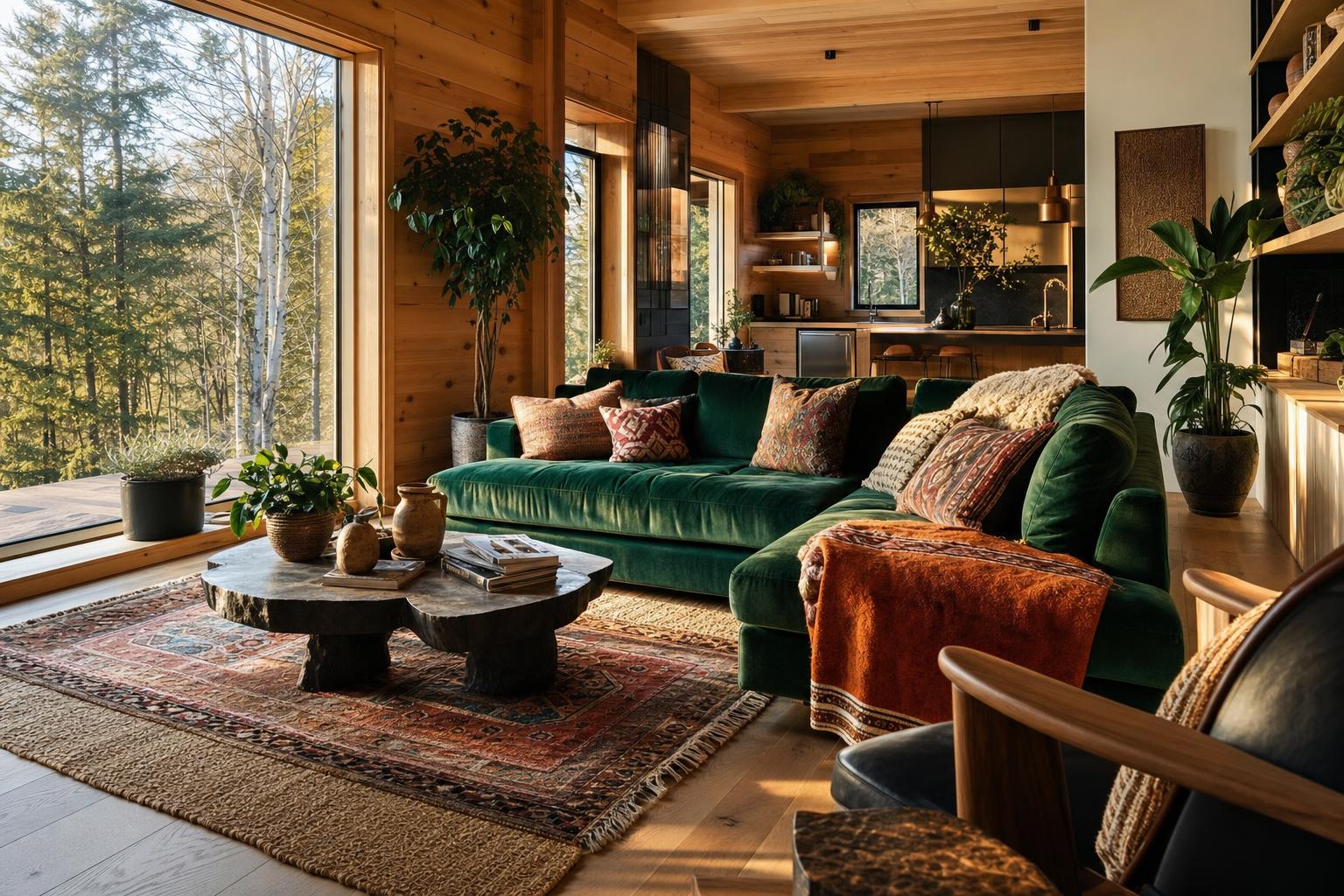
Estimated reading time: 12 minutes
Key Takeaways
- Tiny home decor in 2026 is moving beyond safe minimalism and embracing curated maximalism.
- Small homes and ADUs can use bold colors, layered textures, and pattern without feeling cramped.
- The secret is not adding more randomly, but choosing fewer, better, bolder pieces with purpose.
- Colour zoning, smart storage, statement furniture, and layered lighting help compact rooms feel organised and expressive.
- ADUs need a balance of personality and practicality, especially for rental, resale, and code considerations.
- Fast DIY upgrades like peel-and-stick wallpaper, painted furniture, and gallery walls can transform a small space on a budget.
Table of contents
- Why Maximalist Design Works in Tiny Homes
- Core Principles for Maximalist Small Space Style
- Color and Pattern Play in Tiny Home Decor
- Furniture, Lighting, and Fixtures That Make a Statement
- Room-by-Room Maximalist Tiny Home Decor Ideas
- ADU-Specific Considerations for 2026
- Practical Styling Tactics and Quick Wins
- DIY Projects and Smart Sourcing
- Case Studies / Before-and-After Inspiration
- Mood Boards and Visual Directions
- Common Mistakes and How to Fix Them
- Resources and Shopping List
- Frequently Asked Questions
Tiny home decor in 2026 does not have to mean white walls, slim furniture, and safe choices. Small homes and ADUs can be full of maximalist design, bold colors, layered pattern, and creative interiors without feeling tight or messy. The old rule that small spaces must be minimalist is fading fast.
This guide shows how to make expressive small space style work in real life. You will learn why maximalism suits compact homes, how to use colour and pattern well, which room-by-room ideas make the biggest impact, what matters most in ADUs, and which DIY updates give fast results on a modest budget.
The key is not adding more for the sake of it. It is choosing better, bolder, more meaningful pieces and giving each one a job. Tiny homes and ADUs can absolutely become layered, personality-filled spaces instead of neutral boxes. That shift is showing up more and more in current small-home design ideas and ADU interiors.
Why Maximalist Design Works in Tiny Homes
Maximalist design works in small homes when it is curated, not chaotic. In 2026, maximalism is less about excess and more about intention. It uses colour, pattern, texture, art, and meaningful objects in a controlled way.
That matters for tiny home decor. When every item earns its place, the room feels rich and personal instead of crowded. Good small space style is not about owning less at all costs. It is about making each choice count.
Modern maximalism has clearly shifted toward intentional curation rather than random filling, a direction also echoed in current 2026 small-space styling trends.
Psychological benefits of maximalist tiny home decor
Layered rooms often feel warmer than bare ones. Rugs soften sound. Art adds life. Cushions, throws, and curtains make a compact room feel settled and welcoming. Bold colors can also bring energy and joy into everyday routines.
This kind of tiny home decor also tells a story. A shelf of books, a framed fabric from a trip, a vintage lamp from a grandparent, or handmade pottery from a local market gives the home identity. That is what makes creative interiors feel real rather than staged.
For ADUs used as offices, guest suites, or studios, expressive rooms can even support creativity. A colourful, art-filled space can help a room feel inspiring instead of generic.
That warmer 2026 approach leans on layered textiles and meaningful objects, and it is especially effective in multipurpose ADU interiors and flexible caregiving or family housing spaces.
Spatial benefits in small spaces
Pattern and colour do not always shrink a room. Used well, they can create visual depth. Visual depth means the eye has layers to travel through, which makes a space feel more dynamic and often more expansive.
A few smart moves help:
- Hang art a bit higher to draw the eye up
- Use tall shelving to stretch the room visually
- Layer rugs and lighting for depth
- Use paint or flooring changes to zone one room into several uses
This is especially helpful in open-plan small space style. A painted dining nook, a patterned sleeping alcove, or a darker kitchen zone makes one room feel more organised.
Layered rugs, sculptural lighting, gallery walls, and painted ceilings all help compact homes feel taller and more defined, especially in remote-work ADUs.
Addressing the three biggest fears
“It will look cluttered.”
Follow one rule: fewer, better, bolder. Choose fewer decorative items, but make each one stronger in colour, size, shape, or meaning.
“It will feel overwhelming.”
Calm the room with solids and natural finishes. Wood tones, warm white, plain linen, and wool keep bold pieces grounded.
“It will hurt resale or rental appeal.”
Use removable layers. Art, peel-and-stick wallpaper, curtains, and textiles are easy to swap out later.
These ideas help maximalist design stay flexible and practical in tiny home decor and ADUs, especially when paired with secondary suite decorating strategies.
Core Principles for Maximalist Small Space Style
Think of this as the rulebook for expressive small space style. In compact homes, successful maximalist design depends on editing, proportion, repetition, and storage.
Create one focal point per zone
A focal point is the first feature your eye notices. In tiny home decor, each zone should have one hero.
Examples:
- A statement wall in the lounge
- A bold sofa
- A standout headboard
- A colourful vanity
- A striking light fixture over the dining nook
Once the focal point is set, let other pieces support it. This keeps creative interiors feeling intentional.
Focused focal points help small maximalist rooms feel designed rather than chaotic, which is a key idea in tiny home design in Canada.
Use scale and proportion correctly
Too many tiny accessories create visual noise. A few larger pieces usually work better.
Try this:
- Pick one sculptural lamp instead of many small objects
- Use one large artwork instead of a dozen unrelated pieces
- Choose one strong chair instead of several weak fillers
Keep walking paths usable too. Aim for about 75–90 cm of clear path where possible. If furniture is low-profile, it can still be visually bold through shape, upholstery, or colour.
Modular and well-scaled furniture often works better than many little items in compact homes.
Layer thoughtfully, not endlessly
Layering works best in three steps:
- Base layer: wall colour, rug, large furniture
- Middle layer: curtains, throws, cushions, bedding
- Top layer: art, books, plants, objects
On each visible surface, aim for 1–3 clear groupings, not lots of loose items. Leave some negative space too. Negative space is empty visual room that lets the eye rest. It stops tiny home decor from feeling busy.
Use controlled contrast
Bold rooms still need calm elements. Pair strong shades with softer finishes such as:
- Warm white
- Light oak
- Linen
- Wool
- Bouclé
- Rattan
- Matte black
A useful rule: repeat each accent colour at least three times in a room. That makes bold colors feel tied together instead of random.
Jewel tones paired with warm white and light oak are especially effective for compact but expressive interiors.
Follow pattern-mixing rules of thumb
A simple formula makes pattern mixing easier:
- 1 large-scale pattern
- 1 medium-scale pattern
- 1 small-scale pattern
Make sure all patterns share at least one colour. In compact rooms, stay with 3–4 patterns total. In very small zones, use only 3.
Pattern-on-pattern styling is a major 2026 maximalist design trend, but colour links are what keep it cohesive.
Make storage part of the design
In tiny home decor, storage is part of decorating. It has to work hard and look good.
Best options include:
- Built-in benches
- Wall shelves above closed cabinets
- Woven baskets
- Colourful bins
- Decorative boxes
- Slim vertical cabinets
Open storage should hold attractive things. Closed storage should hide utility items, chargers, paper clutter, and daily mess.
Built-ins and smart storage planning are especially valuable in tiny homes, along with vertical storage solutions for ADUs.
Color and Pattern Play in Tiny Home Decor
This is where tiny home decor becomes memorable. Bold colors are one of the fastest ways to make a small home feel intentional rather than basic.
Best 2026 color palette directions
Three palette families stand out in 2026:
Jewel tones
Emerald, sapphire, amethyst, garnet
These feel dramatic and polished.
Saturated pastels
Rich peach, lavender, seafoam
These feel playful and fresh.
Warm earth tones
Terracotta, rust, ochre, olive
These feel grounded and cocooning.
A simple colour formula helps:
- 1–2 dominant colours
- 2–3 supporting accents
- 1–2 metal finishes only
Jewel tones remain especially strong for tiny home interiors and pair beautifully with warm wood and off-white.
Use color zoning to define functions
Colour zoning means using paint or finish changes to separate uses in one room.
Try:
- Darker lower cabinets in the kitchen
- A painted ceiling over the dining nook
- One coloured alcove for the bed or desk
- A painted door or trim to mark transitions
This matters in tiny homes because one room often has to do many jobs. Zoning helps each area feel planned.
Painted ceilings, colour blocks, and patterned floors are effective ways to define open-plan compact spaces, especially in vertical tiny homes.
Wallpaper and murals: where to use them
Wallpaper gives major impact without using floor space. That makes it ideal for maximalist design in small homes.
Best spots include:
- Behind the bed
- Behind the sofa
- At the end of a hallway
- Inside an alcove
- Under stairs
- On the back panel of shelving
For ADUs and rentals, peel-and-stick wallpaper is a smart choice because it is flexible.
Pattern combinations that work
These combinations are lively but balanced:
- Leafy mural + striped rug + geometric pillows
- Mod floral curtains + striped bench cushion + terrazzo backsplash
- Checkerboard floor + solid shower curtain + botanical art
Avoid using too many large-scale, high-contrast patterns in one tiny zone. That is when the room can start to feel noisy.
Furniture, Lighting, and Fixtures That Make a Statement
In small homes, every big item should bring both function and personality. Quality matters more than quantity.
Choose one or two statement furniture pieces
A strong piece can anchor the room and reduce the need for extra decor.
Good hero choices include:
- Velvet sofa
- Patterned lounge chair
- Arched headboard
- Bold banquette
In tiny home decor, one strong piece often does more than five small ones.
Smart furniture for ADUs works best when it solves a problem and creates a focal point at the same time.
Use multipurpose pieces with personality
Useful pieces do not have to be plain. Choose items that solve storage needs and add character.
Examples:
- Upholstered storage bench
- Fold-down table in a painted finish
- Hidden-storage ottoman
- Nesting tables in mixed materials
This is smart small space style. Utility pieces should still support the room story.
Layer lighting like a designer
Use three lighting layers:
- Ambient: overall room light
- Task: reading, cooking, working
- Accent: mood and display light
Add one sculptural fixture in each main zone if you can. Warm lighting helps maximalist design feel cosy rather than harsh.
In 2026, small-space maximalism treats lighting as art, not just function.
Use mirrors to amplify depth, light, and pattern
Mirrors can make creative interiors feel bigger and brighter.
Best placements:
- Opposite a window
- Opposite a patterned wall
- In narrow hallways or passages
The frame matters too. A mirror with a bold frame can act like art.
Room-by-Room Maximalist Tiny Home Decor Ideas
Here is a practical room-by-room guide you can copy.
Living area / lounge
Anchor the room with one bold piece, such as a rug or sofa. Then build from there.
Good moves:
- Create a gallery wall with varied frames
- Keep order with aligned centre lines or repeated frame colours
- Use one compact credenza with closed storage below
- Style the top with a lamp, books, and one or two objects
If natural light is limited, use calmer wall colours so bold furnishings can stand out without making the room heavy.
Light-conscious tiny home design is especially helpful when styling a bold lounge in a compact footprint.
Kitchen and dining nook
The kitchen is a great place for bold colors in tiny home decor.
Try:
- Deep green, navy, plum, or rust lower cabinets
- Open shelves with colourful dishes and glassware
- A mosaic or cement-look backsplash
- Peel-and-stick tile if you need flexibility
- Banquette seating with hidden storage
Keep open shelving edited. A few curated pieces look stylish. Too many look messy.
Open shelving and expressive kitchen zones work especially well in compact layouts, while tiny home kitchen planning helps keep them practical.
Bedroom or loft
In a bedroom, the bed should be the focal point.
Use:
- A dramatic headboard
- A dark or cocooning wall colour behind the bed
- Layered bedding in connected patterns
- Wall shelves or peg rails instead of bulky night tables
Lofts especially benefit from low-profile pieces with high-impact textiles. This gives you maximalist design without taking up precious headroom.
Bathroom
Bathrooms are ideal for the jewel-box approach. Because they are small, they can handle richer colour and denser pattern.
Try:
- Checkerboard or herringbone tile
- A painted vanity
- Patterned shower curtain
- Framed art
- Colourful towels
Bold small-room styling works especially well in bathrooms, where decorative intensity feels intentional.
Outdoor area, porch, or ADU entry
Exterior styling helps the home feel larger by creating an outdoor room.
Use:
- Outdoor rug
- Bistro set
- Planters in varied colours and heights
- Weather-resistant cushions and throws
This extends your small space style beyond the walls.
Landscaping ideas for ADUs and rooftop deck styling tips can help make that outdoor extension feel more complete.
ADU-Specific Considerations for 2026
ADUs often serve many roles: rental suite, guest house, office, studio, or home for family. That means tiny home decor choices need to balance personality with flexibility.
Canadian municipalities are opening more opportunities for ADUs and tiny homes, which makes smart ADU planning even more important.
Design for rental and resale flexibility
Use neutral permanent finishes and expressive removable layers.
Best removable features:
- Art
- Curtains
- Textiles
- Peel-and-stick wallpaper
- Portable lamps
This makes turnover easier and protects long-term flexibility in an ADU. It also supports better resale value for Canadian ADUs.
Note building and code realities
Before adding hardwired lights, custom built-ins, window-blocking furniture, or structural finishes, check local rules.
In plain language:
- Do not block egress windows
- Do not reduce safe walking space
- Do not ignore required clearances
- Make sure built-ins fit local code
Local ADU legal and code guidance matters for fixtures, storage, and layout changes.
Where to splurge and where to save
Splurge on:
- Durable flooring
- Sofa or mattress
- Statement light fixture
- Quality paint in high-use zones
Save on:
- Thrifted decor
- DIY art
- Painted furniture
- Peel-and-stick updates
The reason is simple: permanent, comfort-related, and high-touch items deserve investment. Trend accents can change cheaply.
Practical Styling Tactics and Quick Wins
If you want fast results without a full renovation, start here.
10 easy upgrades
- Switch neutral pillow covers for patterned ones
- Add a runner
- Paint trim or doors
- Install peel-and-stick wallpaper
- Swap a basic pendant for a sculptural one
- Layer rugs
- Create a mini gallery wall
- Use colourful storage baskets
- Hang a statement mirror
- Cluster plants in varied pots
Plants and green-wall ideas can be especially effective if you want colour and texture without a major renovation.
Tiny home decor styling checklist
Use this checklist before you call a room finished:
- Clear non-decorative clutter
- Leave only a few intentional objects visible
- Use trays to group smaller items
- Add one soft layer to each seat or bed
- Turn on all lamps before photos or guests arrive
- Keep countertops about 70–80% clear in tiny spaces
The goal is collected, not crowded.
Maintenance tips for maximalist homes
Maximalist design stays beautiful when it is edited often.
Use a simple upkeep plan:
- Do a decor edit every quarter
- Rotate textiles by season
- Choose washable covers where possible
- Keep one drop zone for keys, bags, and daily clutter
DIY Projects and Smart Sourcing
You do not need a huge budget to create bold, creative interiors.
Easy DIY projects
Painted ceiling
Great for dining nooks, bed alcoves, or office corners. It creates zone definition and visual drama.
Custom cushion covers
A simple way to add pattern without replacing furniture. Ideal for banquettes, beds, and benches.
Framed fabric art
Perfect when you need oversized art cheaply. Works well above a sofa or bed.
Painted furniture
Refresh a thrifted side table, vanity, or bench with a bold colour. Good for adding personality in tiny home decor.
Where to source bold and useful pieces
Look in:
- Local vintage shops
- Thrift stores
- Habitat ReStores
- Online marketplaces
- Small makers
- Textile sellers
Vintage pieces work especially well in maximalist spaces because they add individuality and story.
Building reuse centres and second-hand sourcing can be great for furnishing small homes with function and character, especially when using reclaimed materials in Canadian tiny homes.
Durable and sustainable materials
Choose materials that can handle daily wear in small homes:
- Low-VOC paint
- Solid wood or metal frames
- Durable rugs like wool or natural fibres
- Washable textiles
In tiny spaces, every zone gets heavy use, so durability matters more.
Case Studies / Before-and-After Inspiration
These short examples show how tiny home decor can shift fast with a few clear choices.
Case study 1 – micro-living studio
- Size: 280 sq. ft.
- Before problem: bland, echoey, all-white, visually cold
- Palette: teal, mustard, soft white, walnut
- Major changes: deep teal accent wall, patterned rug, sculptural pendant, books and plants on vertical shelving
- Approximate cost: around $900
- Timeline: two weekends
Takeaway: one deep wall colour plus vertical styling can make a tiny studio feel warmer and taller.
Case study 2 – backyard ADU suite
- Size: 420 sq. ft.
- Before problem: builder-basic beige and generic fixtures
- Palette: forest green, blush, brass, oak
- Major changes: botanical peel-and-stick wallpaper, dark green lower cabinets, brass hardware, patterned banquette cushions
- Approximate cost: around $1,800
- Timeline: three weekends
Takeaway: removable layers and one strong cabinet colour can give an ADU personality without overcommitting.
Case study 3 – converted van or coach house
- Size: 110 sq. ft. van interior or 220 sq. ft. coach house room
- Before problem: functional but stark and impersonal
- Palette: terracotta, cream, navy, natural wood
- Major changes: terracotta ceiling, custom textile cushion covers, gallery ledge, patterned runner
- Approximate cost: around $600
- Timeline: one to two weekends
Takeaway: even one painted surface and a few textiles can transform a very small footprint.
Mood Boards and Visual Directions
This helps you choose your version of maximalism.
Bohemian Jewel
- Colours: emerald, sapphire, magenta, brass, cream
- Textures: velvet, carved wood, layered rugs, plants
- Pattern direction: global prints, Moroccan-inspired motifs
- Hero pieces: jewel-toned sofa, brass lamp, carved mirror
This look suits people who want bold colors and rich creative interiors.
Retro Pop
- Colours: mustard, teal, tomato red, white
- Textures: lacquer, bouclé, glossy ceramics
- Pattern direction: mod florals, stripes, dots
- Hero pieces: curved chair, glossy side table, graphic rug
This version of maximalist design feels playful and energetic.
Warm Earth Maximalist
- Colours: terracotta, rust, olive, sand
- Textures: linen, woven fibres, rustic wood, clay
- Pattern direction: block print, subtle geometric, artisanal stripes
- Hero pieces: rust headboard, clay lamp, woven bench
This tiny home decor direction feels calm but still layered.
Build your own mood board
Use a simple template with:
- Your top 3 colours
- 2 pattern ideas
- 3 texture samples
- 1 hero furniture piece
- 1 lighting choice
A colour swatch worksheet can help shape the full room idea before you buy anything.
Common Mistakes and How to Fix Them
This troubleshooting section makes small space style much easier.
Too many items without a visual theme
Fix it by:
- Removing 20–30% of accessories
- Repeating the same 2–3 colours
- Reducing patterns to three per zone
Maximalist design needs a theme, not just more stuff.
Furniture is the wrong scale
Fix it by:
- Replacing several small pieces with one stronger anchor piece
- Using vertical storage
- Checking walkway clearance
Tiny home decor works best when furniture size matches the footprint.
Ignoring vertical space
Fix it by:
- Adding tall shelving
- Hanging art higher
- Using wall sconces or hanging planters
Vertical storage ideas help compact homes feel taller and more dynamic.
Every surface is visually loud
Fix it by:
- Pairing one busy feature with one calm feature
- Using solids beside patterns
- Leaving some surfaces open
Bold colors have more power when they get breathing room.
Resources and Shopping List
Use this action list when planning a room.
Shopping categories
- Rugs
- Lighting
- Wallpaper
- Textiles
- Storage
- Paint
- Mirrors
- Art
Design questionnaire
- What are your top 3 favourite colours?
- What 3 moods do you want the room to feel?
- Which items do you already own and want to keep?
When possible, source from local makers, vintage shops, reuse centres, and second-hand sellers. That approach often creates better creative interiors than buying everything new.
Tiny home decor in 2026 can be colourful, layered, and deeply personal. Maximalist design does not mean clutter. It means curated richness, smart zoning, and confident use of bold colors in ways that still support function. Good small space style leaves room to live, move, store things, and show personality at the same time.
“If the idea feels big, start small. Try one wall, one rug, one statement light, or one room first.”
Build your palette, repeat your favourite colours, and let each piece earn its place. That is how creative interiors grow in a compact home: one thoughtful decision at a time.
Frequently Asked Questions
Can maximalist design really work in a tiny home?
Yes. It works best when it is curated. Focus on strong focal points, controlled colour palettes, layered textures, and smart storage so the room feels expressive rather than cluttered.
What colours work best for tiny home decor in 2026?
Jewel tones, saturated pastels, and warm earth tones are all strong directions. The key is to repeat colours intentionally and balance them with calming materials like wood, linen, and warm white.
How do I make a small space feel bold without overwhelming it?
Start with one hero element, such as a rug, wallpapered wall, painted cabinet, or statement sofa. Then support it with a few repeated colours and leave some negative space so the eye can rest.
Is maximalist decor a bad idea for an ADU rental?
Not if you keep permanent finishes fairly neutral and use removable layers for personality. Art, textiles, wallpaper, and lighting can create impact while still allowing future flexibility for tenants or resale.
What is the easiest budget-friendly update for a tiny home?
Peel-and-stick wallpaper, patterned cushion covers, painted furniture, layered rugs, and a small gallery wall are all fast, affordable ways to add personality without a major renovation.
Leave a Reply