

Estimated reading time: 14 minutes
Key Takeaways
- Tiny home resale and ADU selling are attracting more attention in Canada in 2026 because of affordability pressure, multigenerational living, rental potential, and downsizing demand.
- A mobile tiny home and a legally permitted ADU are sold very differently, especially when it comes to valuation, financing, insurance, and legal steps.
- In the Canada housing market, buyers want answers on legality, utilities, year-round comfort, documentation, and insurability before they commit.
- Pricing, staging tips, and paperwork matter more than usual because alternative dwellings often have a smaller buyer pool.
- Sellers should verify local municipal rules and get legal and tax advice before listing, because zoning and compliance rules vary widely across Canada.
Table of contents
- Why Tiny Home Resale and ADU Selling Are Gaining Attention in Canada in 2026
- Canada Housing Market 2026: What Sellers of Tiny Homes and ADUs Need to Know
- Tiny Home Resale vs. ADU Selling: The Critical Differences
- How to Price a Tiny Home or ADU for Resale in Canada
- Prepare for Sale: Repairs, Inspections, and Documents Buyers Will Expect
- Legal Steps: What You Must Do Before Listing a Tiny Home or ADU
- Province-by-Province Considerations: BC, Ontario, Alberta, and Quebec
- Staging Tips for Tiny Homes and ADUs That Help Buyers See the Value
- Presentation Assets That Matter: Photos, Floor Plans, and Virtual Tours
- Marketing Strategy for Tiny Home Resale and ADU Selling in Canada
- What Buyers Expect in 2026 — and How to Answer Their Biggest Concerns
- Mini Case Study: ADU Selling in Ontario
- Mini Case Study: Mobile Tiny Home Resale in BC
- Closing the Sale: Final Legal Steps and Handover Checklist
- When You Should Delay Listing Instead of Rushing to Market
- Resources, Templates, and Next Steps for Sellers
- Frequently Asked Questions
- Final Thoughts: Sell Smarter in the 2026 Canada Housing Market
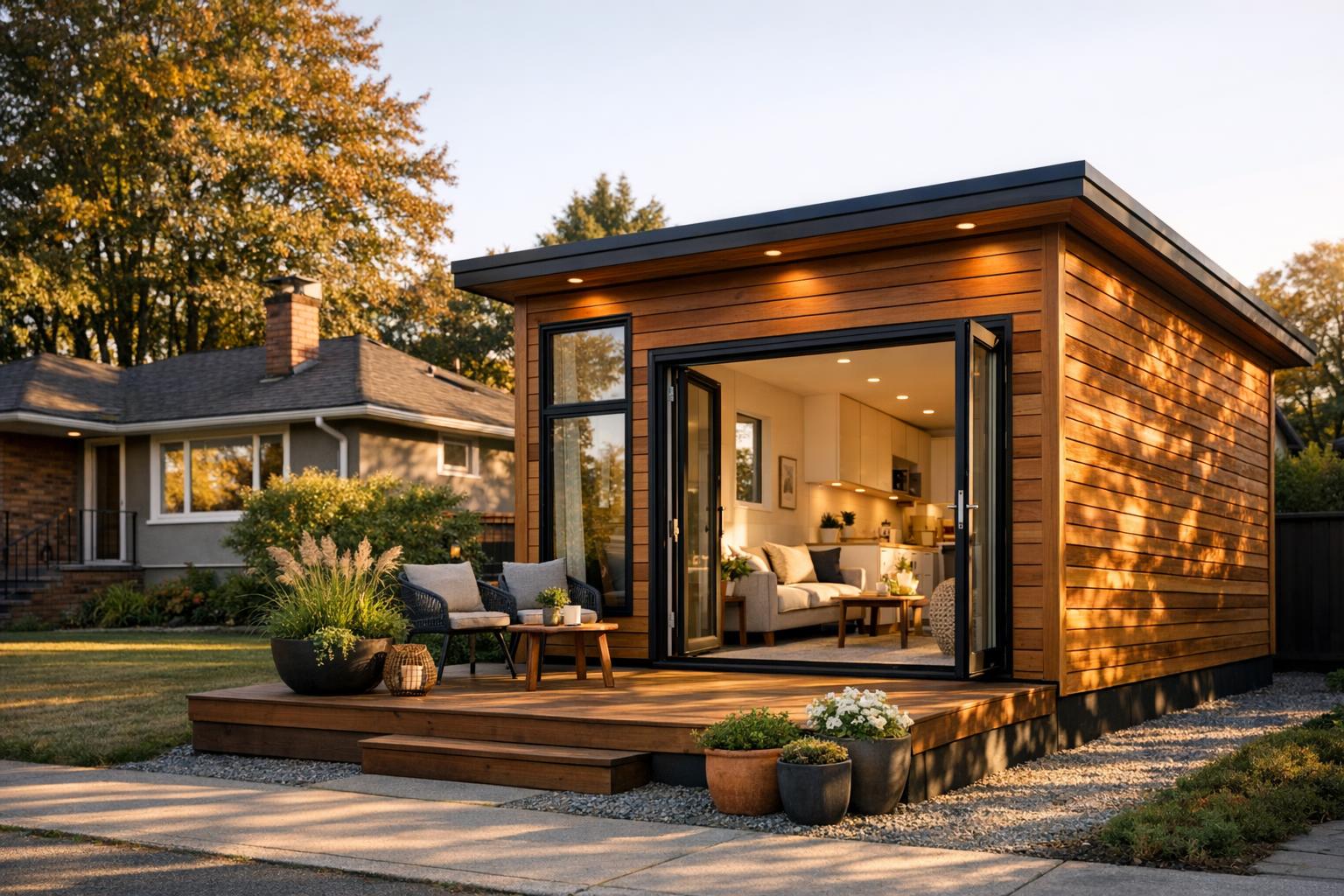
Tiny home resale in 2026 means selling either a mobile tiny home or a permanently sited small dwelling. ADU selling usually means selling a property that includes an accessory dwelling unit, or in limited cases, selling a unit that can legally be transferred on its own. In the Canada housing market, sellers need a clear plan for pricing, staging tips, and legal steps before they list.
Affordability pressure, multigenerational living, rental income potential, and downsizing are keeping interest in alternative housing strong across Canada in 2026. But selling a tiny home or ADU is not the same as selling a standard detached house. Buyers ask more questions about legality, utilities, insurance, financing, and year-round use. Small spaces also show flaws fast, so presentation matters more.
There are two main sale paths. One is selling a mobile tiny home that may be treated more like personal property, depending on how it is registered and where it sits. The other is ADU selling, where the backyard suite, laneway home, or garden suite is usually tied to the main parcel of land and controlled by local zoning and building rules.
This guide explains tiny home resale and how to sell an ADU Canada owners may be planning to list in 2026. It covers the Canada housing market, realistic pricing, tiny home staging tips, legal steps for selling ADU in Canada, marketing, buyer concerns, and closing.
Because tiny homes and ADUs are regulated locally, sellers should verify current municipal rules and obtain legal and tax advice for their specific property.
Why Tiny Home Resale and ADU Selling Are Gaining Attention in Canada in 2026
Tiny home resale and ADU selling are getting more attention because buyers want flexible housing choices. In many parts of the Canada housing market, buyers are looking for:
- Lower-cost entry points
- Smaller footprints with lower upkeep
- Backyard housing for family members
- Rental income from legal secondary units
- Lifestyle properties with mobility or land flexibility
Sellers are entering the market for different reasons too. Some are relocating. Some are cashing out an investment. Some no longer need extra family space. Others built an ADU and now want to monetize the full property. For a broader look at why compact ownership remains attractive, see Tiny Home Living: Discover the Big Benefits and Lifestyle Rewards of Living Small.
Common buyer groups include:
- First-time buyers seeking a lower-cost option
- Retirees and downsizers
- Investors looking for income from legal secondary units
- Families housing parents or adult children
- Rural or recreational buyers interested in mobile tiny homes
What buyers are really buying depends on the asset.
For ADU selling, buyers often care most about:
- Location
- Zoning compliance
- Build quality
- Privacy from the main home
- Income potential where lawful
For tiny home resale, buyers often focus on:
- Mobility or permanence
- Insulation and four-season readiness
- Utility setup
- Durability
- Transportability
- Legal placement options
If you are working through a downsizing decision before sale, Downsizing: A Complete Guide to Decluttering, Minimalism, and Tiny Homes for a Simpler, Better Life can help frame the transition.
This guide is useful for:
- Homeowners
- Landlords
- Builders
- Realtors
- Sellers with a mobile tiny home
- Owners listing a property with a legal backyard unit
Canada Housing Market 2026: What Sellers of Tiny Homes and ADUs Need to Know
In the Canada housing market, broad headlines only tell part of the story. For tiny home resale and ADU selling, local conditions matter more than national talk.
Three things shape resale most:
- Local supply and demand
- Municipal zoning and permit rules
- How familiar local buyers and lenders are with alternative housing
An urban ADU may appeal to buyers who want rental income or family space. A rural tiny home may appeal more to lifestyle buyers, investors, or buyers with private land. For a market-wide view of why these assets continue to attract attention, see Housing Costs in Canada: How ADU Investment and Tiny Homes Can Enhance Financial Security.
BC
In BC, small-footprint living and laneway or garden suites often draw strong interest. But buyers and professionals may closely review permits, servicing, access, and municipal compliance. Sellers need clean records on utilities, approvals, and site rules. For province-specific legal context, Tiny Home Permits in British Columbia: A Complete Guide to Navigating Municipal Bylaws and Regulations is a useful companion.
Ontario
In Ontario, ADU demand is often linked to affordability and rental demand. Legal basement units, garden suites, and laneway suites can add value when permits, fire and life safety details, and records are clear. Ontario sellers may also benefit from ADU Permitting in Ontario: A Comprehensive Guide for Homeowners to Navigate Regulations, Avoid Mistakes, and Ensure Compliance.
Alberta
In Alberta, alternative housing interest may be linked to affordability and land availability. Buyers often pay close attention to winterization, heating systems, water systems, and site servicing. Sellers should also review ADU Permitting in Alberta: A Comprehensive City-by-City Guide to Rules, Processes, and Requirements when preparing documentation.
Quebec
In Quebec, municipal compliance and documentation are especially important. The notarial closing process also means paperwork should be organized early. Some buyers may need more education on the use, legality, and value of an ADU or tiny home.
When you assess resale outlook, avoid guessing. Instead, review:
- Active local listings
- Recently sold comparables, if available
- Replacement or build cost
- Buyer demand in your exact area
- Whether your home is legal, financeable, and insurable
Alternative dwellings usually have a smaller buyer pool. That means targeted pricing and marketing matter more. If you want a deeper comparison of market positioning, ADU Resale: How to Maximize Property Value and Successfully Sell Your Secondary Suite in the 2025 Canadian Housing Market is closely related.
Financing climate in 2026
Buyer financing is often harder for movable tiny homes and easier for legally permitted ADUs attached to standard residential property. Possible routes may include:
- Conventional mortgage on the main property
- Home equity financing
- Personal loans
- Chattel loans for movable units
- Cash buyers
Eligibility depends on the lender, the legal status of the unit, and whether the structure is real property or personal property. Sellers may want to understand Unlocking Home Potential: The Rise of the ADU Mortgage in Canada 2026 Guide so they can anticipate lender questions.
Tiny Home Resale vs. ADU Selling: The Critical Differences
Tiny home resale and ADU selling are often grouped together, but they are not the same thing.
A mobile tiny home is usually a movable structure. It may involve transport rules, registration issues, utility disconnection, and siting rules. If mobility is central to the sale, Moving Tiny Home in Canada: Relocation Costs, Transport Regulations, and Legal Requirements Explained is especially relevant.
A fixed tiny home may look like a small detached house, but it still depends on local zoning, permits, and servicing.
An ADU is generally an accessory dwelling unit on the same lot as a main home. In many cases, the seller is not selling the ADU by itself. They are selling the whole property that includes the ADU. For a broader framework, see Accessory Dwelling Units: The Ultimate Guide to ADUs for Canadian Property Investment.
This difference affects:
- Valuation
- Listing format
- Buyer pool
- Legal steps
- Financing options
- Tax treatment
A simple if/then guide
If the structure is on wheels and meant to move, focus on:
- Transportability
- Trailer or chassis details
- Certifications
- Hookups
- Placement rules
If the structure is fixed, focus on:
- Permits
- Occupancy status
- Servicing
- Property-level compliance
If you are ADU selling, focus on:
- Income potential
- Legal status
- Privacy and access
- How the ADU supports the main dwelling
For buyers comparing movable and permanent options, Tiny Home on Wheels vs Stationary ADU vs Mobile Homes: The Ultimate 2025 Canadian Comparison Guide provides a useful reference point.
How to Price a Tiny Home or ADU for Resale in Canada
Pricing is one of the hardest parts of tiny home resale. Direct comparables are often limited, and build cost alone is not market value.
Start with local comparables where possible. Then use build-cost logic and adjust for legal status, condition, and utility setup. In the Canada housing market, buyers pay more for clarity and less for uncertainty.
For ADU selling, value may come from:
- Added livable space
- Rental income potential where lawful
- Multigenerational flexibility
- Better use of the lot
For tiny homes, pricing often turns on practical features more than size.
Key valuation factors
Build quality
- Framing
- Exterior cladding
- Roofing
- Windows
- Insulation
- Moisture control
Utility connections
- Sewer or septic
- Water
- Hydro
- Propane
- Internet
Mechanical systems
- HVAC
- Mini-split
- Tankless water heater
- Ventilation
Four-season readiness
- Insulation levels
- Skirting
- Heat tracing
- Winter performance
Layout efficiency
- Sleeping space
- Storage
- Accessibility
- Natural light
Site value for fixed units
- Backyard access
- Parking
- Privacy
- Code-compliant setbacks
Documentation quality
- Permits
- Plans
- Warranty records
- Inspection reports
Pricing mistakes to avoid
- Overpricing based on emotion
- Using build cost as the only guide
- Ignoring the discount buyers apply to unpermitted units
- Pricing a mobile tiny home like a normal detached house
- Failing to reflect transport or placement limits
A practical pricing approach includes:
- A realtor opinion of value
- An appraiser familiar with unusual housing, where possible
- A builder or inspector review to adjust for condition
For sellers who want to understand the investment side of pricing, Maximizing Your Returns: The Ultimate Guide to ADU Investment in Canadian Real Estate is a helpful next read.
Prepare for Sale: Repairs, Inspections, and Documents Buyers Will Expect
In tiny home resale and ADU selling, buyers notice defects quickly. Every inch is visible. There is less space to hide wear, clutter, or poor maintenance.
Pre-sale repair checklist
Fix these before listing:
- Moisture issues
- Roof leaks
- Drafts
- Squeaks
- Soft flooring
- Cracked caulking
- Damaged trim
- Poor drainage
Service these systems:
- HVAC
- Mini-splits
- Plumbing fixtures
- Hot water systems
- Electrical panels
Also:
- Repaint in light neutral colours
- Replace burned-out bulbs
- Make sure windows and doors open and close properly
For heating and comfort upgrades that can reduce buyer hesitation, see Eco-friendly heating ADU upgrades: A practical 2026 guide for Canadian ADUs.
Recommended inspections
- Structural inspection
- Electrical review
- Plumbing review
- HVAC and ventilation review
- Foundation or anchoring review for fixed units
- Trailer, chassis, or axle review for mobile tiny homes
- Septic or well assessment for rural properties
Documents buyers will expect
A strong document package can include:
- Building permits
- Permit close-out records
- Approved plans
- Site plans
- Certificate of occupancy or similar approval, if applicable
- Warranty documents
- Appliance manuals
- Receipts for major upgrades
- Utility bills or average operating costs
- Septic, well, hydro, or propane records
- Insurance history or insurability notes, if available
- Survey or location certificate
- Rental records for an income-producing ADU
If your file is incomplete, a pre-listing legal consult can help. See ADU legal clinic Canada: Where to Get Free Permitting & Zoning Help in 2026.
A complete package lowers buyer friction and cuts down on renegotiation after inspection.
Legal Steps: What You Must Do Before Listing a Tiny Home or ADU
This is the most important part of many sales. Do not assume that because a unit exists, it is legal to market it as a dwelling. Legal status affects value, financing, insurance, and disclosure.
Confirm zoning and permitted use
Zoning tells you what a property can legally contain and how it can be used. For ADU selling, this means checking whether the municipality allows:
- An accessory dwelling unit
- A garden suite
- A laneway suite
- A backyard suite
- A tiny home on that site
Rules can vary by municipality and may cover:
- Setbacks
- Lot size
- Height
- Parking
- Servicing
- Owner-occupancy rules
Before listing, verify current zoning and use rules with the local planning and building department. For a city-level view, Tiny Home Friendly Municipalities 2026: Where To Build Legally is worth reviewing.
Verify permits and building code compliance
Check whether the unit was built under permit and whether final inspections were completed. If the home was renovated, converted, or expanded, make sure those changes were authorized too.
Missing permits can hurt saleability. They can also trigger lender and insurer concerns.
For tiny home resale, permit history matters most for fixed units and site improvements. For ADU selling, permit close-out is often one of the first buyer questions.
Determine whether the unit is real property or personal property
Real property is usually permanently attached to land and conveyed with the land. Personal property is movable and may be transferred separately.
This distinction affects:
- Title transfer
- Registration
- Tax treatment
- Financing
- Closing documents
A mobile tiny home may be personal property. A fixed backyard unit is more likely part of the real property. But the exact legal treatment can depend on how it is installed and how local law applies.
Review title, easements, and servicing rights
For ADUs, review title and site records for:
- Easements
- Utility rights
- Encroachments
- Restrictive covenants
- Shared driveways
- Servicing arrangements
These issues can affect access, future use, and buyer confidence. If a structure is legal non-conforming, get that clarified before listing.
Understand disclosure obligations
Disclosure means telling buyers about known facts that could affect value or use.
Examples include:
- Unpermitted construction
- Past water intrusion
- Incomplete final inspections
- Utility limitations
- Seasonal use restrictions
- Placement restrictions for a mobile tiny home
Use clear written disclosure. Vague or defensive answers often kill trust.
Taxes and closing costs
Sellers should get professional advice on:
- GST or HST implications
- Capital gains if the property is not fully principal-residence exempt
- Land transfer implications for the buyer when real property is sold
- Provincial and municipal adjustments
This article is not tax advice. A lawyer, notary in Quebec, and accountant should review your specific sale. For tax-specific considerations, Navigating ADU Taxes in Canadian Real Estate: Essential Insights for Homeowners and Investors is useful background.
Work with the right professionals
For complex tiny home resale or ADU selling, the right team may include:
- A realtor with alternative dwelling experience
- A real estate lawyer
- A Quebec notary where required
- A planner
- A surveyor
- An appraiser
- An inspector
Suggested timeline
6 to 10 weeks before listing
- Legal review
- Permit review
- Zoning check
4 to 6 weeks before listing
- Repairs
- Inspections
- Document package
1 to 2 weeks before listing
- Final disclosures
- Listing package
- Photos and floor plans
Province-by-Province Considerations: BC, Ontario, Alberta, and Quebec
Rules differ across the Canada housing market, and they differ even more from city to city.
BC
Review municipal rules for laneway homes and garden suites. Check utility servicing, access, parking where required, and occupancy rules.
Ontario
Review zoning for secondary units and detached ADUs. Confirm building code compliance, permits, and fire and life safety standards.
Alberta
Check rules for backyard suites and secondary suites. Development permits and utility servicing often matter early.
Quebec
Confirm municipal approval, local terminology, and notarial closing requirements. Keep paperwork organized from the start.
If permits or compliance are unresolved, delay listing until you know whether you can market the unit as a legal dwelling.
Staging Tips for Tiny Homes and ADUs That Help Buyers See the Value
Good staging tips matter more in small homes. Tiny spaces feel bigger when they are bright, calm, and easy to understand. Every visible item should show function, not just style.
For a dedicated seller playbook, see Tiny Home Staging in 2025: Expert Strategies to Maximize ADU Rental Income and Home Sale Value.
Declutter aggressively
Remove anything that makes the room feel smaller.
- Keep counters mostly clear
- Reduce personal items
- Show storage without overstuffing it
- Clear floors and corners
This is one of the most important tiny home staging tips because clutter can make a smart layout look cramped. If you need help with the mindset side, Minimalist Living: A Step-By-Step Guide to Declutter Your Life and Simplify Your Routine is a useful reference.
Use scale-appropriate furniture
Use furniture that fits the room and does not block movement.
Good choices include:
- Storage ottomans
- Fold-down desks
- Slim dining sets
- Bed drawers
- Narrow side tables
Avoid:
- Oversized sectionals
- Heavy drapery
- Large dark rugs
Maximize light and height
Help buyers feel space, not limits.
- Use sheer window coverings
- Add mirrors carefully
- Turn on warm lighting
- Touch up paint in soft neutrals
- Keep sightlines clear
- Use vertical storage well
For practical lighting ideas, Tiny Home Light Design 2026: Skylights, Windows, Reflective Finishes can support your prep.
Room-by-room tiny home staging tips
Kitchen
- Clear counters
- Use one or two simple accessories
- Show storage
- Highlight working appliances
Bathroom
- Present it like a hotel
- Use fresh towels
- Remove extra products
- Clean grout and caulking
Sleeping loft or bedroom
- Use crisp bedding
- Remove clutter
- Be honest about headroom
Living area
- Create one focal point
- Use compact seating
- Keep paths open
Exterior
- Clean skirting
- Tidy entry steps
- Trim landscaping
- Add privacy screens
- Set up a small seating area if space allows
For curb appeal inspiration, Boosting Curb Appeal: Weather-Appropriate Exterior Paint, Siding, and Upgrades for Tiny Homes & ADUs in Canada 2025 is a strong companion.
ADU-specific presentation
For ADU selling, show what makes the unit independent and useful.
- Privacy from the main house
- Separate entrance
- Parking options
- Storage
- Separate laundry, if present
- Rental-ready layout, if legal
If legal rental use exists, describe it carefully and truthfully.
Top 10 staging tips
- Remove half the visible items
- Use light neutral colours
- Keep all surfaces almost clear
- Use small-scale furniture
- Show storage without crowding it
- Maximize natural light
- Clean every edge and corner
- Add warm lighting
- Tidy the exterior as much as the interior
- Stage for function first, style second
For additional ideas tailored to small space presentation, Maximizing Value with Tiny Home Staging: Essential Seller Strategies for the Canadian Market is highly relevant.
Presentation Assets That Matter: Photos, Floor Plans, and Virtual Tours
Visual marketing is vital in tiny home resale and ADU selling. Buyers need to understand flow, dimensions, storage, and privacy before they book a showing.
If you plan to host showings, Tiny Home Open House: The Complete Guide for Canadian Sellers, Builders, and Landlords can help you structure the experience.
Photo shot list
- Wide exterior front
- Wide exterior rear
- Entry view showing depth
- Kitchen from two angles
- Bathroom with door open
- Loft or bed area
- Storage solutions
- Utility or mechanical area if tidy
- ADU relationship to the main house and yard
Best practices
- Shoot in daylight
- Turn on all lights
- Avoid ultra-wide distortion
- Use floor plans with honest dimensions
- Consider drone images for ADU lot context where allowed
- Add a short video walkthrough
These assets support your staging tips and answer common buyer questions before they ask.
Marketing Strategy for Tiny Home Resale and ADU Selling in Canada
Standard real estate marketing is not always enough for niche housing. In the Canada housing market, alternative dwellings need clear and targeted positioning.
Where to list
- MLS through an agent for property sales
- Specialty tiny-home marketplaces where relevant
- Realtor websites
- Social media aimed at downsizers, investors, and alternative-living buyers
- Local classifieds or community groups where appropriate
- Builder networks and investor circles for ADUs
How to position the listing
Lead with facts buyers care about most:
- Legal status
- Build quality
- Utility setup
- Four-season features
- Best use case
For ADU selling, highlight:
- Family use
- Guest use
- Rental income potential where lawful
For tiny home resale, highlight:
- Mobility
- Craftsmanship
- Efficiency
- Placement readiness
If your listing is aimed at rental-minded buyers, Optimizing Your Rental Unit for Maximum Profitability: A Comprehensive Guide is a useful cross-reference.
What not to overpromise
- Guaranteed legal rental rights
- Easy financing
- Municipal approval
- Year-round use if not proven
Timing and negotiation
Pricing too high can hurt niche listings faster because the buyer pool is smaller. Strong listings often include:
- Inspection summaries
- Clear disclosures
- Full document packages
- Honest photos and plans
Work with agents who understand non-traditional housing whenever possible.
What Buyers Expect in 2026 — and How to Answer Their Biggest Concerns
Buyers do not compare your unit only to other tiny homes. They may also compare it to condos, basement apartments, cottages, or income properties.
Is it legal?
Answer with:
- Permit records
- Zoning confirmation
- Occupancy documents
- Clear written disclosure
Can I finance it?
Explain that financing depends on:
- Real property or personal property status
- Lender rules
- Owner occupancy
- Income use
- Appraisal and insurability
Can I insure it?
Insurance can vary based on:
- Construction type
- Permanence
- Intended use
- Location
For more background, see Understanding ADU Insurance Canada: A Complete Guide to Protecting Your Home and Tiny Home Investments and tiny home insurance in 2026: Complete guide for remote and off‑grid tiny homes in Canada.
Is it comfortable year-round?
Show:
- Insulation details
- Heating and cooling systems
- Ventilation
- Utility reliability
- Winter readiness
If your unit needs climate-oriented upgrades, How to Build a Winter-Proof Tiny Home Designed for the Harsh Canadian Climate may offer helpful framing.
Will it hold value?
Explain that value depends on:
- Legal status
- Build quality
- Documentation
- Buyer demand
Can it generate rental income?
Only discuss this if it is lawful. Use real records or careful assumptions. Never promise more than the rules allow.
Trust matters. In tiny home resale and ADU selling, vague answers often scare away serious buyers.
Mini Case Study: ADU Selling in Ontario
A seller in Ontario owned a detached home with a legal backyard ADU. The main concern was pricing. The seller was not sure whether buyers would value the ADU properly in a changing Canada housing market.
What they did
Week 1
- Verified permits
- Confirmed occupancy documentation
- Reviewed legal steps with a lawyer and agent
Week 2
- Fixed small repairs
- Added light staging tips inside the ADU
- Installed exterior privacy screening
Week 3
- Gathered utility records and rental history
- Completed photography and floor plans
- Listed the property as flexible for multigenerational living or lawful rental use
Weeks 4 to 6
- Managed showings
- Answered buyer questions with a full document package
- Negotiated with fewer surprises
Result
Buyer confidence improved. Legal questions were easier to answer. Negotiations were smoother because the seller had already done the work. Related reading: ADU Income Case Studies: Real-Life Examples Showing Rental ROI in Canadian Suburban Properties.
Mini Case Study: Mobile Tiny Home Resale in BC
A seller in BC listed a mobile tiny home on wheels. Buyers liked the look of the home, but many were unsure about placement, financing, and winter use.
What they did
- Gathered build specs
- Collected trailer details
- Confirmed weight and dimensions
- Added appliance manuals and service records
- Completed cosmetic repairs
- Used professional staging tips to simplify the space
- Built a listing that explained hookups, insulation, and transport needs clearly
Result
The listing attracted better-qualified inquiries and fewer wasted viewings. Saleability improved because the home was presented as both attractive and practical. For additional transport context, see Moving Tiny Home Across Provinces: A Comprehensive Guide to Legal Permits, Logistics, and Costs for Canadians.
Closing the Sale: Final Legal Steps and Handover Checklist
Once you accept an offer, the final legal steps still matter.
Closing process
- Accept an offer with suitable conditions
- Allow time for financing, inspections, legal review, and permit verification
- Confirm included items in writing
- Prepare transfer documents with a lawyer or notary
- Arrange utility transfer and handover details
Confirm included items
- Appliances
- Furnishings
- Outbuildings
- Tie-downs
- Decks
- Skirting
- Trailer
- Utility gear
Handover checklist
- Keys and remotes
- Appliance manuals
- Warranty papers
- Utility account information
- Final meter readings where applicable
- Septic or well instructions if rural
- Contractor contacts for maintenance
- Registration or deregistration details for mobile units
A tidy handover reduces confusion and helps close the transaction cleanly.
When You Should Delay Listing Instead of Rushing to Market
Sometimes the best move is to wait.
Delay listing if:
- Permits are unresolved
- There is active water damage
- There is a structural concern
- The unit cannot be honestly described as year-round, legal, or properly serviced
- Title or easement issues are still unclear
Niche buyers are often cautious. A failed deal can stigmatize the listing and make future buyers more suspicious.
Resources, Templates, and Next Steps for Sellers
Useful tools for tiny home resale and ADU selling include:
- Tiny Home or ADU Resale Checklist 2026
- Sample disclosure checklist
- Photo shot list
- Pre-listing document checklist
- Provincial and municipal planning office links
- Contact list for local realtor, lawyer or notary, inspector, and accountant
For BC, Ontario, Alberta, and Quebec, official provincial and municipal planning, building, tax, and land-title resources should be reviewed before listing. Sellers may also find Tiny Home Legal Requirements Canada: A Comprehensive Guide for Buyers to Navigate Laws, CSA Certification, Titles, and Insurance helpful for confirming compliance basics.
Frequently Asked Questions
Can I get a mortgage for a tiny home in Canada?
Maybe. Tiny home resale financing depends on whether the home is permanently affixed, legally placed, insurable, and accepted by the lender. Movable units can be harder to finance than standard real property in the Canada housing market.
What legal steps are required to sell an ADU in Ontario, BC, Alberta, or Quebec?
The main legal steps are checking zoning, permits, occupancy status, title issues, disclosures, and local closing rules. ADU selling must be reviewed city by city, not just province by province.
How much can staging boost the sale price of a tiny home?
There is no reliable fixed number. Good staging tips can improve how spacious the home feels, reduce buyer objections, and help the listing photos perform better.
Do I need to disclose permit issues or lack of certificate of occupancy?
Yes. Sellers should disclose known material issues and get legal advice on how to word the disclosure properly.
Can I sell an ADU separately from my main house?
Usually no. In most cases, the ADU is tied to the main property unless a specific legal structure allows separate ownership or transfer.
What is the biggest mistake sellers make?
The biggest mistake is marketing before resolving legality and documentation issues. In tiny home resale, unclear legal steps can weaken pricing, financing, and buyer trust.
Final Thoughts: Sell Smarter in the 2026 Canada Housing Market
Successful tiny home resale and ADU selling come down to three things: legal clarity, realistic pricing, and strong presentation. In the Canada housing market, sellers who prepare documents early, use smart staging tips, and complete the right legal steps usually attract better buyers and face fewer deal problems. If you are still deciding whether to sell, Prebuilt Tiny Homes in Canada 2025: Complete Comparison, Features, and Pricing Guide and Tiny Home Resale Canada: A Comprehensive Guide to Market Trends, Buying, and Selling Pre-Owned ADUs can help you benchmark expectations.
Whether you are selling a mobile tiny home, a fixed backyard dwelling, or a property with an ADU, the goal is the same.
Make the home easy to understand, easy to trust, and easy to value.
Leave a Reply