

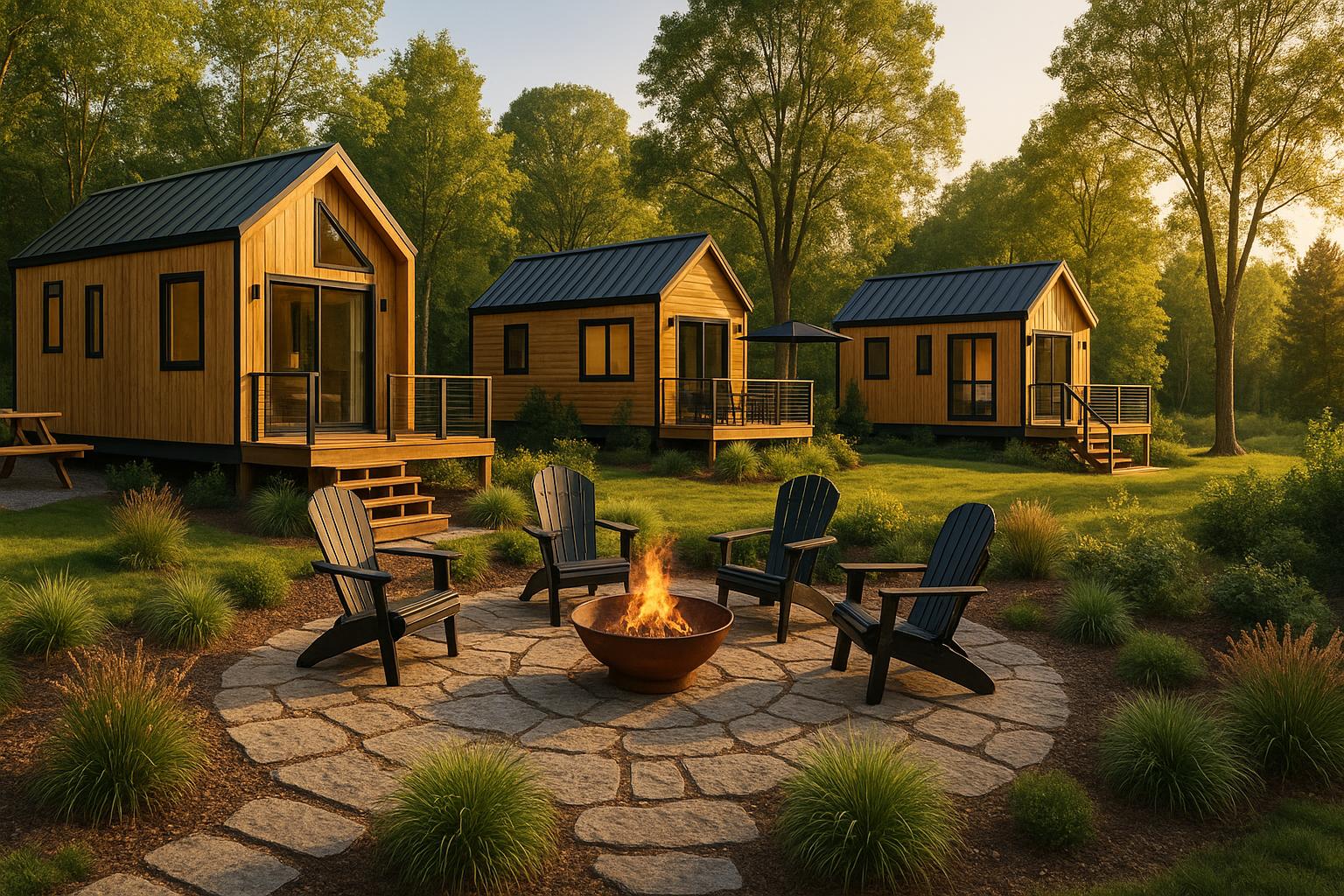
Discover the Future of Travel: The Rise of the Tiny Home Resort
Estimated reading time: 8 minutes
Key Takeaways
- Tiny home resorts combine compact, eco-friendly design with resort-style comforts.
- Eco-tourism and sustainable travel practices help reduce environmental impact.
- Canadian innovators are leading the way with eco-friendly building materials and green business models.
- Efficient design and renewable technologies make tiny home resorts ideal for both travelers and entrepreneurs.
- The movement promotes nature immersion, affordability, and community-driven development.
Table of contents
- Introduction: Tiny Home Resort, Eco-Tourism & Sustainable Travel
- Understanding Tiny Home Resorts
- The Role of Eco-Tourism and Sustainable Travel
- Business Models and Opportunities
- Case Studies Featuring Canadian Hospitality
- Benefits for Travelers and Entrepreneurs
- Conclusion
- Frequently Asked Questions
Introduction: Tiny Home Resort, Eco-Tourism & Sustainable Travel
A tiny home resort is reshaping travel by blending small, efficient living spaces with the indulgence of a resort vacation. With units typically ranging from 200 to 400 square feet, these resorts emphasize harmony with nature and responsible tourism.
Driven by a global shift toward sustainability, these resorts use innovations such as solar panels, composting systems, and efficient water management. For more information on sustainable building practices, visit eco-friendly building materials in Canada.
Canadian hospitality shines as these properties adopt green business models that benefit local communities and preserve the environment. Learn more about these models here.
Understanding Tiny Home Resorts
What Makes a Tiny Home Resort Different?
Unlike traditional hotels, tiny home resorts provide self-contained, compact living units designed to maximize every inch of space. These resorts incorporate smart features like in-floor heating, energy-efficient lighting, and eco-friendly water systems to ensure sustainability and comfort. For additional design inspiration, check out the tiny home living guide.
How They Compare to Traditional Resorts
- Affordability: Lower construction and maintenance costs make stays more accessible.
- Location Flexibility: These compact structures can be placed in diverse natural settings—from lakesides to forest clearings. Discover more about tiny home communities.
- Low Environmental Impact: Their small footprint helps reduce energy usage and land disturbance.
Typical Features and Amenities
- In-floor heating for cozy winters
- Solar power systems and energy-efficient lighting
- Composting toilets (learn more)
- Integrated grey water management (details here)
- Exclusive amenities such as private hot tubs, fire pits, and barrel saunas
- Direct access to outdoor adventures like hiking, canoeing, and fishing
This blend of rustic charm and modern comfort attracts eco-conscious travelers who are eager to disconnect from digital overload and reconnect with nature.
The Role of Eco-Tourism and Sustainable Travel
How Eco-Tourism Works in a Tiny Home Resort
Eco-tourism champions travel experiences that preserve nature, support local communities, and minimize environmental impact. By leaving a lighter footprint, tiny home resorts allow visitors to enjoy pristine natural settings and learn about conservation.
- Smart and sustainable energy solutions reduce reliance on nonrenewable resources
- Support for local artisans and businesses through community-based initiatives (community-led development)
- Protection of local wildlife and ecosystems
- Enriching experiences that educate visitors on environmental care
Sustainable Travel Practices
Many tiny home resorts operate entirely off-grid, harnessing solar power and other renewable sources. They also implement waste reduction techniques like composting and water-saving systems. For more on solar innovations, see solar-powered ADUs in Canada.
Business Models and Opportunities in Tiny Home Resorts
Green Business: How Tiny Home Resorts Succeed
Tiny home resorts offer a fusion of eco-conscious living and profitable business strategies. Several models have emerged:
- Rental Model: Rent multiple tiny homes on a nightly basis. Check listings on Airbnb.
- Seasonal Lease Model: Provide short-term leases during peak seasons with shared community amenities. An example can be found at Bluewater Village Resort.
- Ownership-Based Community Model: Allow guests to purchase their own tiny home within a community setting, fostering long-term engagement. More details are available at Bluegrass Meadows Micro Village.
These models offer advantages such as lower operational costs, increased market appeal to eco-tourists, and the ability to foster close-knit communities. For further insights on sustainable living models, visit this guide.
Entrepreneurs should focus on attracting eco-travelers, local adventure seekers, remote workers, and families looking for a technology detox amid nature.
Case Studies Featuring Canadian Hospitality
Refuge Bay Halcyon Stay, Alberta
At Refuge Bay Halcyon Stay, off-grid living meets modern luxury. With in-floor heating, solar-powered systems, and advanced water management, this resort is a shining example of Canadian hospitality and sustainable design.
Charmed Resorts, Canadian Rockies
Charmed Resorts offers fairy-tale themed tiny homes that are both socially appealing and environmentally responsible, drawing families and eco-conscious travelers alike.
Bluegrass Meadows Micro Village, Terrace, BC
Bluegrass Meadows is Canada’s pioneering tiny house community, addressing housing shortages while offering immersive nature experiences in a sustainable setting.
Other examples include Moosu Guest House in Nelson, BC, and Rivers Edge Cottage, both providing intimate, eco-friendly escapes. More listings can be seen on Airbnb.
Benefits for Travelers and Entrepreneurs
Benefits for Travelers
Tiny home resorts immerse travelers in nature with large windows and outdoor patios, offering a tranquil escape from city noise. They boast lower environmental footprints, affordable luxury, and opportunities for digital detox and outdoor adventure. Explore minimalist living techniques to enhance your stay.
Benefits for Entrepreneurs
Entrepreneurs benefit from a growing market, lower operating costs, and a strong appeal to eco-conscious consumers. These ventures often attract tax credits and incentives while fostering community development and environmental stewardship. Learn more about the benefits of sustainable business practices here.
Conclusion
The tiny home resort movement is transforming travel by integrating minimalist design, renewable energy, and authentic Canadian hospitality. These resorts not only promise an unforgettable vacation but also champion sustainable practices that protect our planet.
Whether you are a traveler seeking a unique escape or an entrepreneur looking to invest in green business, tiny home resorts offer compelling benefits. Discover more about innovative designs and sustainability at the tiny home living guide.
Ready to join the movement? Embrace eco-friendly comfort, invest in sustainable ventures, and experience travel that truly makes a difference.
Frequently Asked Questions
What is a tiny home resort?
A tiny home resort is a collection of small, self-contained living units designed to maximize space and efficiency while minimizing environmental impact. They blend modern comforts with sustainable practices.
How do tiny home resorts support eco-tourism?
These resorts operate on renewable energy, reduce waste through composting and recycling, and integrate water-saving systems, all of which contribute to a low-impact, eco-friendly travel experience.
What benefits do tiny home resorts offer entrepreneurs?
Entrepreneurs enjoy low maintenance costs, strong market demand from eco-conscious travelers, and opportunities to innovate with sustainable business models while contributing positively to local communities.
Leave a Reply