

Estimated reading time: 11 minutes
Key Takeaways
- A tiny home art gallery is a compact exhibition space, often in a tiny structure or ADU, used for art shows, workshops, sales, and neighbourhood cultural events.
- In Canada in 2026, this model matters because rising costs, housing pressure, and broader ADU adoption are making smaller cultural spaces more practical and attractive.
- Pop-up galleries, permanent tiny galleries, and converted ADUs can all support small space art and create more accessible opportunities for Canadian artists.
- Success depends on more than design alone. Zoning, permits, insurance, accessibility, tax setup, and visitor flow all need careful planning.
- The strongest projects combine clear curation, community partnerships, realistic operations, and flexible multi-use programming.
Table of contents
- What is a tiny home art gallery?
- Why this movement matters in Canada in 2026
- Inspiring Canadian examples and case studies
- Creative ADU uses beyond display
- Designing for small space art
- Logistics: permits, zoning, insurance, taxes, and sales
- Building community and partnerships
- How to run a successful pop-up gallery
- Sustainability and smart material choices
- Voices and interviews to strengthen credibility
- Step-by-step blueprint for starting a tiny home gallery
- Resources and next steps
- Frequently Asked Questions
What is a tiny home art gallery?
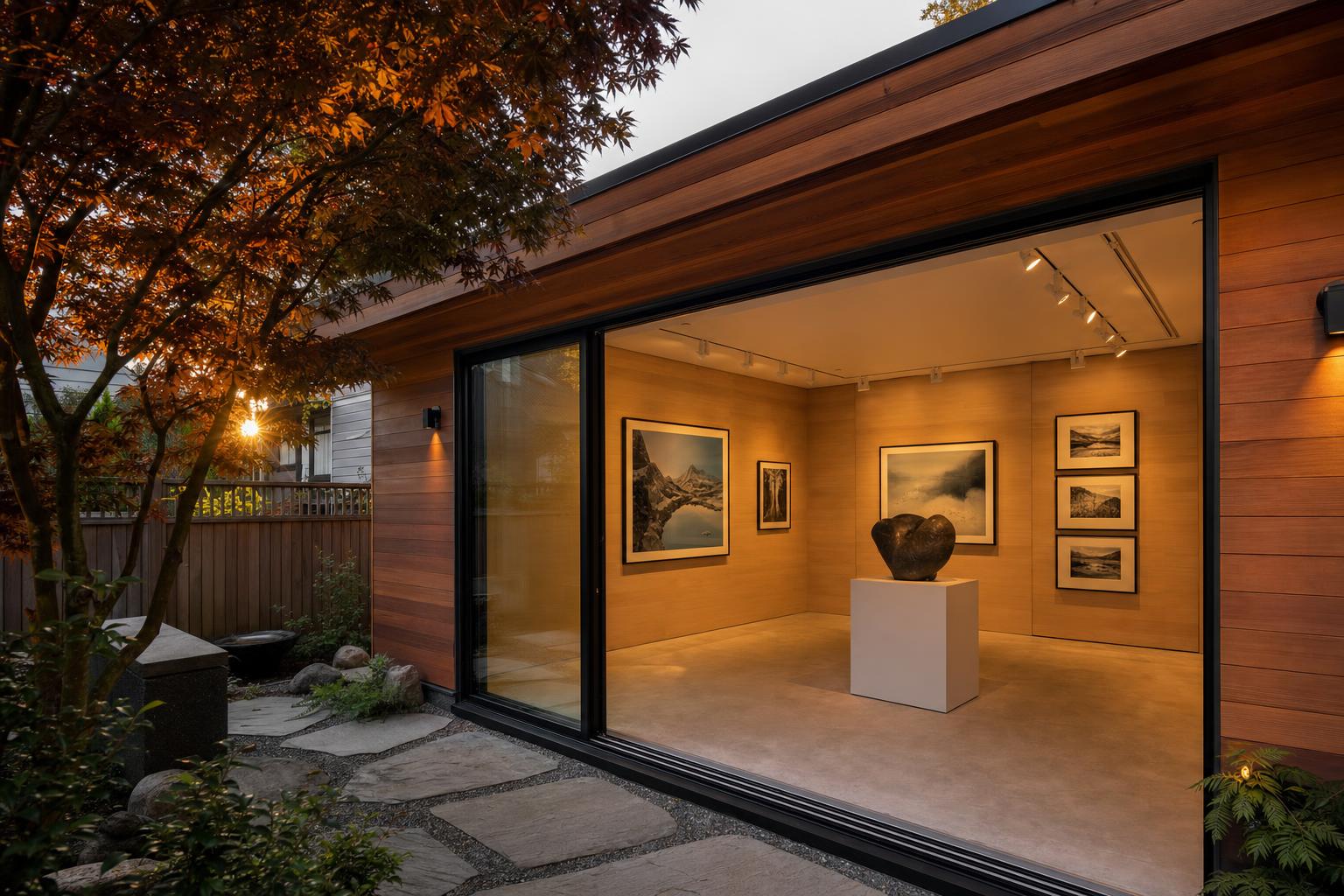
A tiny home art gallery is a compact building, often under about 400 square feet, or an ADU adapted to display, sell, and explain artwork. It can also host workshops, talks, or small cultural events.
An ADU is an accessory dwelling unit. In simple terms, it is a small secondary building or suite on a residential property, such as a garden suite or laneway suite.
There are three common formats.
Temporary pop-up gallery
This is a short-term art show in a tiny house on wheels, a parked small structure, or a seasonal setup in a backyard, laneway, market, or festival space.
Permanent tiny home gallery
This is a purpose-built or renovated tiny structure used as a dedicated exhibition space year-round or during certain seasons.
Converted ADU gallery
This is a garden suite, laneway suite, or other ADU used full-time or part-time as a gallery, studio-gallery, workshop room, or hybrid art venue.
A tiny home gallery differs from a traditional gallery in clear ways:
- It has a much smaller footprint
- It usually costs less to run
- It creates a close, personal visitor experience
- It sits closer to neighbourhood life
- It can switch easily between exhibits, workshops, and mixed-use events
Small space art is art and exhibition planning made for compact venues. That can include:
- small framed works
- works on paper
- textiles
- modular sculpture
- digital displays
- artist books
- tightly edited installations
- grouped series hung with care
As more owners and cities get used to compact dwellings, converted ADUs like garden suites and laneway houses are becoming practical spaces for creative use. That makes the tiny home art gallery model easier to imagine and easier to test.
For broader inspiration, readers can look at the virtual tiny home show and examples of tiny house artist studios. There is also useful context around the tiny home studio in Canada concept and the idea of an artist studio ADU in Canada.
Why this movement matters in Canada in 2026
In 2026, many artists across Canada face high rents, long waits for studio space, and few affordable gallery options. At the same time, tiny homes and ADUs are becoming part of everyday housing talk.
That makes them a natural fit for cultural use too.
Here is why this matters.
Affordable exhibition space
A tiny home art gallery can cost far less to start and run than a storefront gallery. It can also make use of underused land, side yards, laneways, and backyard structures.
Local community engagement
These spaces bring art into residential areas. People can discover work close to home instead of travelling to formal downtown venues.
Support for Canadian artists
Emerging artists, regional artists, Indigenous artists, and artist-run groups can gain a more accessible place to show work, teach, and connect with buyers.
Placemaking
A tiny home gallery can become a neighbourhood landmark. It starts conversations, draws foot traffic, and adds local identity.
Flexible programming
A compact venue can host:
- small exhibits
- artist talks
- kids’ workshops
- print sales
- open studios
- micro-events
Rising rents and limited space are already pushing artists toward alternative venues, including tiny houses and backyard studios. In 2026, the trend is also driven by housing pressure, growing ADU use, and creative reuse, giving Canadian artists more ways to exhibit and sell work in their own communities.
What matters now is how this idea works in practice.
Useful background can be found in discussions around backyard studio design in Canada, more examples of tiny house artist studios, and wider tiny-home inspiration through the virtual tiny home show.
Inspiring Canadian examples and case studies
These examples show how compact structures can support art presentation and cultural programming across Canada. Some are real documented inspiration. Others are composite examples inspired by current Canadian tiny-space and artist-run practices.
Case study 1: Vancouver, BC – mobile tiny art space
Type: Real documented inspiration
Who runs it: Artist-educator or community arts team
This model uses a tiny house on wheels as a travelling workshop and pop-up gallery. It can park at festivals, schools, and neighbourhood events.
The layout is simple and smart:
- fold-down wall surfaces for display
- compact loft storage for supplies
- adjustable display lighting
- outdoor space for overflow activities
The art shown is usually easy to transport, such as prints, zines, small paintings, and workshop samples.
Community benefits can include:
- youth workshops
- local media attention
- stronger neighbourhood visibility
- direct sales of small works
Tiny-house creative spaces have already been used by artists and educators as mobile community spaces, which makes this a strong model for a Canadian pop-up gallery. See the virtual tiny home show and ideas around tiny home gatherings in Canada.
Case study 2: Toronto, ON – backyard ADU converted into a weekend gallery
Type: Composite example inspired by current Canadian practice
Who runs it: Homeowner and local curator
This tiny home gallery operates from a garden suite or laneway suite and opens on weekends or during local art walks.
The layout includes:
- one main feature wall
- a flexible hanging rail
- built-in bench seating
- storage under the bench
- a patio or backyard spill-out area
The space shows drawing, photography, small paintings, ceramics, and works on paper. The scale suits small space art and keeps installation costs low.
The benefit is clear. Neighbours discover local art close to home, and emerging Canadian artists get affordable exhibition chances without paying downtown rates.
Case study 3: Montreal, QC – bilingual laneway pop-up
Type: Composite example inspired by current Canadian practice
Who runs it: Artist-run collective
This seasonal pop-up gallery operates in a compact laneway structure in a walkable neighbourhood. It presents illustration, textiles, artist books, and projection-based small space art.
Its strongest feature is bilingual programming. Wall labels, event text, and workshop materials appear in French and English to reflect local culture.
The layout includes:
- narrow display walls
- a projection corner
- a small retail shelf
- a front threshold area for conversation
Because the neighbourhood has strong artist-run culture, the venue thrives through repeat visits, word of mouth, and short seasonal shows.
Case study 4: Calgary, AB – ADU gallery plus micro-residency
Type: Composite example inspired by current Canadian practice
Who runs it: Non-profit arts group or private host
One of the most ambitious creative ADU uses is combining exhibition with a short residency. In this model, an ADU includes:
- a sleeping loft
- a worktable
- display walls
- compact storage
- scheduled public open-studio days
The artist stays for a short period, makes work on site, and then opens the space to the public.
This supports visiting Canadian artists and gives the community a chance to see process, not just finished work.
Case study 5: Halifax, NS – seasonal coastal tiny gallery
Type: Composite example inspired by current Canadian practice
Who runs it: Maker collective or local artist
This tiny home art gallery opens during the busy season near a waterfront or market area. It sells:
- small originals
- prints
- craft-based work
- postcards
- ceramics
- textiles
The layout is retail-friendly, with wall-mounted work, shelves for objects, and secure packaging storage.
The main strength is foot traffic. Seasonal tourism and local visitors help the gallery succeed without the cost of a full-time commercial lease.
Together, these examples show that a tiny home gallery can be mobile, backyard-based, bilingual, residency-led, or seasonal. The format changes, but the goal stays the same: bring art closer to people.
Creative ADU uses beyond display
Galleries do not need to serve one purpose only. In fact, the strongest small venues often mix exhibition with education, retail, making, or temporary stays.
Creative ADU uses
Here are practical ways to expand a tiny home art gallery model.
Artist residency
A short-term stay where an artist works in the ADU and then shares the results through an open studio or exhibit.
Mini studio-gallery
A private making space that opens to the public on set dates. This gives visitors a more personal look at process.
Workshop classroom
A small room for classes like:
- drawing
- collage
- printmaking
- kids’ art
- bookbinding
Art retail space
A compact shop for prints, jewellery, ceramics, books, cards, and other small-format work that suits a tiny home gallery.
Micro museum
A curated interpretive space focused on local history, archives, community photography, or a niche subject.
Creative co-working space
Shared desk and meeting space for illustrators, designers, writers, and other cultural workers.
Hybrid live/work-gallery
Where local rules allow it, a small building can combine living, making, and limited public display.
Why does multi-use matter?
- It improves financial viability
- It gives people more reasons to return
- It helps cover operating costs
- It builds stronger local partnerships
In Canada, mixed-use spaces can make cultural programming possible even when commercial rents are too high. That is why creative ADU uses are becoming more relevant to artists and homeowners alike.
For planning inspiration, see ideas related to multi-purpose ADU Canadian spaces and pop-up retail in ADUs in Canada.
Designing for small space art
The goal with small space art is not to squeeze a full-size gallery into a tiny room. The goal is to curate for intimacy, clarity, and easy movement.
Curating for compact walls
Choose fewer works and give them more space. In a tiny home gallery, breathing room matters.
Best practice includes:
- selecting art that rewards close viewing
- using small series with a clear theme
- creating mini salon walls only when carefully controlled
- rotating exhibitions often
- using digital frames or projection if wall space is tight
Physical design for a tiny home gallery
Use simple, durable design choices:
- track lighting with adjustable beams
- neutral wall colours
- modular rails or cleat systems
- fold-away tables and plinths
- hidden storage for packaging and extra stock
- durable flooring for visitor traffic
Visitor flow and comfort
Compact spaces need a clear plan.
- Define entry and exit if possible
- Set a safe capacity
- Use outdoor waiting or social areas
- Place labels where people can read them without blocking movement
Experience design
In a tiny home art gallery, every surface matters. Sound, light, and sightlines shape the mood more strongly than they do in a larger room.
Done well, a compact gallery can feel premium and memorable. The secret is editing. Show less, show it better, and let the space support the art instead of fighting it.
Logistics: permits, zoning, insurance, taxes, and sales
This is the checklist section many readers need most. A good concept only works if the structure and the public use are legal.
Zoning basics
First, confirm that the tiny home or ADU is legal on the property.
Then confirm whether public visits, retail activity, workshops, or events are allowed there under local zoning rules, home occupation rules, or similar by-laws.
Permit considerations
You may need:
- building permits for a new structure
- renovation permits for a conversion
- approval for change of use
- temporary event permits for openings or outdoor gatherings
- homeowner or strata approval
Insurance basics
A tiny home gallery should consider:
- public liability insurance for visitors
- property coverage for the building and fixtures
- artwork coverage for consigned pieces
- transit or towing insurance for a mobile pop-up gallery
Sales and tax basics
Depending on your setup, you may need:
- business registration
- GST or HST collection
- a point-of-sale system that tracks tax, receipts, and inventory
Accessibility and safety
Even a very small venue must put safety first.
- keep exits clear
- add ramps or low-step access where possible
- maintain wide, clear pathways
- install smoke and carbon monoxide detectors where required
- keep a fire extinguisher on site
- have a simple emergency plan
Awareness of ADUs and tiny homes is growing, but legal treatment still changes from one municipality to another. That means local compliance matters at every stage, especially if your creative ADU uses involve public access or sales.
Start with a Canadian ADU regulations guide, review ADU permits in Canadian cities, and use the virtual tiny home show for broader format ideas.
Building community and partnerships
Tiny galleries work best when they are part of a local network, not operating alone.
Useful partners include:
- artist-run centres
- local arts councils
- BIAs and neighbourhood groups
- municipal culture offices
- schools
- libraries
- Indigenous artists’ collectives
- cafés
- bookstores
These partnerships can help by:
- co-curating shows
- sharing mailing lists
- providing workshop leaders
- cross-promoting events
- sponsoring refreshments or materials
- writing support letters for grants
A tiny home art gallery can be a direct platform for Canadian artists who may not fit commercial gallery systems or who are still building a public profile.
Funding can come from:
- Canada Council for the Arts
- provincial arts councils
- municipal activation grants
- community foundations
- crowdfunding
- local sponsorship
Projects are often stronger for funding when they are framed as:
- affordable access to culture
- neighbourhood placemaking
- support for emerging or underrepresented artists
- creative reuse
- community engagement
The most compelling tiny galleries are not just small buildings. They are local cultural ecosystems in miniature.
How to run a successful pop-up gallery
A pop-up gallery is often the fastest way to test the idea before building a permanent tiny home gallery.
Planning timeline
A simple order of work helps:
- choose dates
- define the theme
- recruit artists
- confirm permissions and insurance
- install the work
- run the opening event
- document the results
Staffing
The staffing model depends on the scale.
- solo operator for quiet openings
- volunteer greeters for small events
- paid attendants for busy periods
- workshop facilitators if classes are included
Visitor management
Small spaces need active flow control.
- use timed entry if space is very tight
- set up an RSVP system
- post clear capacity signs
- create an outdoor queue or social area
Sales operations
Make buying easy.
- mobile card reader
- digital receipts
- clear inventory list
- packaging station
- shipping policy for sold works
Promotion
Good promotion shows the space, not just the art.
Use:
- short video tours
- before-and-after photos
- local press releases
- community event listings
- art walks and neighbourhood events
- partner promotion
A pop-up gallery is low-risk compared with a full build. It lets you test audience interest, traffic flow, artist demand, and sales before committing to a permanent tiny home art gallery for Canadian artists.
Helpful planning references include a tiny home open house guide and practical advice for tiny home events.
Sustainability and smart material choices
In 2026, sustainability matters to many readers, artists, and funders. A tiny home gallery already uses space efficiently, but the materials and operations matter too.
Practical choices include:
- reclaimed wood for shelving or plinths
- salvaged windows or doors where code allows
- low-VOC paints
- LED lighting
- compact heat pumps or efficient heating
- strong insulation for Canadian weather
- reusable packaging
- reusable display hardware
Sustainable exhibition practice also matters.
- rotate works instead of rebuilding walls
- use modular display systems
- include digital or paper-based small space art where it fits
- reuse labels, frames, and shipping materials
A tiny home gallery can show responsible design in action. That makes sustainability part of the project identity, not just a background detail.
Voices and interviews to strengthen credibility
Real quotations can make an article or project feel more trustworthy and useful.
Helpful voices include:
- a Canadian artist who has shown work in a tiny venue
- a homeowner or ADU operator who hosts art events
- a municipal planner or arts officer
- a curator who works with non-traditional venues
Good interview questions include:
- Why did you choose a tiny format?
- What surprised you most during setup?
- How do you curate for compact space?
- How have neighbours responded?
- Is the project working financially, socially, or both?
There is already interest in artist studios and tiny creative spaces, which shows a real cultural appetite for compact making and exhibiting environments. Tiny-home showcase networks can also help identify people already testing these ideas.
Start by reviewing tiny house artist studios, the virtual tiny home show, guidance on the tiny home studio in Canada, and options for an artist retreat in tiny homes in Canada.
Step-by-step blueprint for starting a tiny home gallery
If you want to move from idea to launch, use this simple action plan.
1. Define the concept
Decide if the project will be:
- a pop-up gallery
- a permanent tiny home art gallery
- a multi-use ADU
Then decide the main purpose:
- exhibition
- education
- retail
- residency
- community programming
- a mix
2. Assess feasibility
Check:
- zoning
- budget
- site limits
- utilities
- neighbourhood fit
- likely audience
3. Design the layout
Sketch:
- wall space
- storage
- lighting
- visitor flow
- outdoor spill-out areas
4. Handle legal and insurance requirements
Confirm:
- permits
- public access rules
- business registration
- insurance needs
5. Build or convert
Install or renovate the structure. Add:
- lighting
- hanging systems
- storage
- climate control
Then test comfort in real weather.
6. Curate the first show
Choose artists, set a theme, write labels, price the work, and plan the install.
7. Promote the launch
Use:
- social posts
- local event listings
- partner outreach
- neighbourhood invitations
8. Open and operate
Manage visitors, sales, documentation, and artist support.
9. Evaluate and refine
Review:
- attendance
- sales
- visitor feedback
- neighbourhood response
Then decide if the project should repeat, expand, or become permanent.
A simple checklist that mirrors these steps can help keep the launch process organised, especially when testing creative ADU uses for the first time.
For next-step planning, review resources on a tiny home workshop in Canada 2025 and an ADU legal clinic in Canada 2026.
Resources and next steps
If you are researching a tiny home art gallery, these are the most useful resource categories to gather first.
Funding and arts support
- Canada Council for the Arts
- provincial arts councils
- municipal arts and activation grants
- community foundations
Local regulations
- municipal ADU guides
- laneway suite guides
- backyard suite rules
- home occupation by-laws
Arts networks
- artist-run centre directories
- local artist directories
- open studio maps
- community exhibition calendars
These are especially useful for finding and supporting Canadian artists.
Building and fit-out suppliers
- tiny-home and ADU builders
- track lighting suppliers
- hanging system suppliers
- portable display fixture companies
Learning from the broader tiny-home sector
The wider tiny-home ecosystem is a useful place to study structure types, layout ideas, towing options, and mobility choices before planning a tiny home gallery or mobile pop-up gallery.
Useful places to start include the virtual tiny home show, a tiny home showroom Canada guide, and information on tiny home festivals in Canada 2025.
In 2026, the tiny home art gallery model is a practical and inspiring response to high costs, limited access to traditional venues, and growing interest in neighbourhood-scale culture across Canada.
Tiny homes and ADUs can become far more than housing structures. They can become intimate spaces for exhibitions, workshops, artist residencies, retail, and hyper-local cultural connection.
Even a modest pop-up gallery can be a meaningful first step toward supporting Canadian artists and testing longer-term creative ADU uses. The strongest projects start small, stay clear about purpose, and grow through local partnerships, careful design, and realistic planning.
Frequently Asked Questions
Can a tiny home legally operate as an art gallery in Canada?
Sometimes, yes, but it depends on local zoning, ADU rules, home occupation by-laws, event permissions, and whether retail or public access is allowed. Always confirm municipal requirements before launching.
What kind of art works best in a tiny home gallery?
Art that suits close viewing usually works best, including small framed works, prints, photography, artist books, textiles, ceramics, and tightly edited installations. The key is thoughtful curation rather than volume.
Is a pop-up gallery better than a permanent tiny gallery?
For many first-time operators, yes. A pop-up gallery is a lower-risk way to test programming, traffic flow, audience interest, and sales before investing in a permanent build or conversion.
Can an ADU gallery also be used for workshops or residencies?
Yes, many of the strongest models are multi-use. A gallery can also function as a studio, workshop room, residency space, or retail venue, as long as the design and legal setup support those uses.
How can a tiny home art gallery support Canadian artists?
It can provide affordable exhibition opportunities, direct sales, neighbourhood visibility, artist talks, workshops, and community connection. For emerging and regional artists, that kind of local platform can be especially valuable.
Leave a Reply