

Estimated reading time: 12 minutes
Key Takeaways
- Meditation spaces do not require a spare room; a bedroom corner, closet, window seat, or balcony can work beautifully in Canadian small spaces.
- A defined relaxation space can reduce distractions, support habit-building, and make it easier to return to a calming routine.
- Mindful design in compact homes means less clutter, softer sensory input, flexible furniture, and safer layouts.
- With the right lighting, storage, and seating, even tiny homes, condos, and studio apartments can support tiny home wellness.
- Canadian conditions matter: winter light, cold floors, drafts, and seasonal balcony use all affect how a meditation nook should be set up.
Table of contents
- Key Takeaways
- Why Dedicated Meditation Spaces Matter
- Mindful Design Principles for Compact Meditation Spaces
- Quick Starter Checklist: What Every Meditation Nook Needs
- Space-Specific Meditation Space Ideas and Layouts
- Design Tips Tailored for Canadian Small Spaces
- Creating a Relaxing Aesthetic With Color, Material, and Décor
- Sound, Scent, and Lighting: The Sensory Triad
- Furniture, Storage, and Modular Solutions
- Tech: What to Include and What to Avoid
- Tiny Home Wellness Case Studies and Mini Floorplan Examples
- Budget Guide and Shopping Resource List
- Step-by-Step Plan to Build Your Meditation Nook
- Maintenance, Habit Integration, and Everyday Wellness Tips
- Frequently Asked Questions
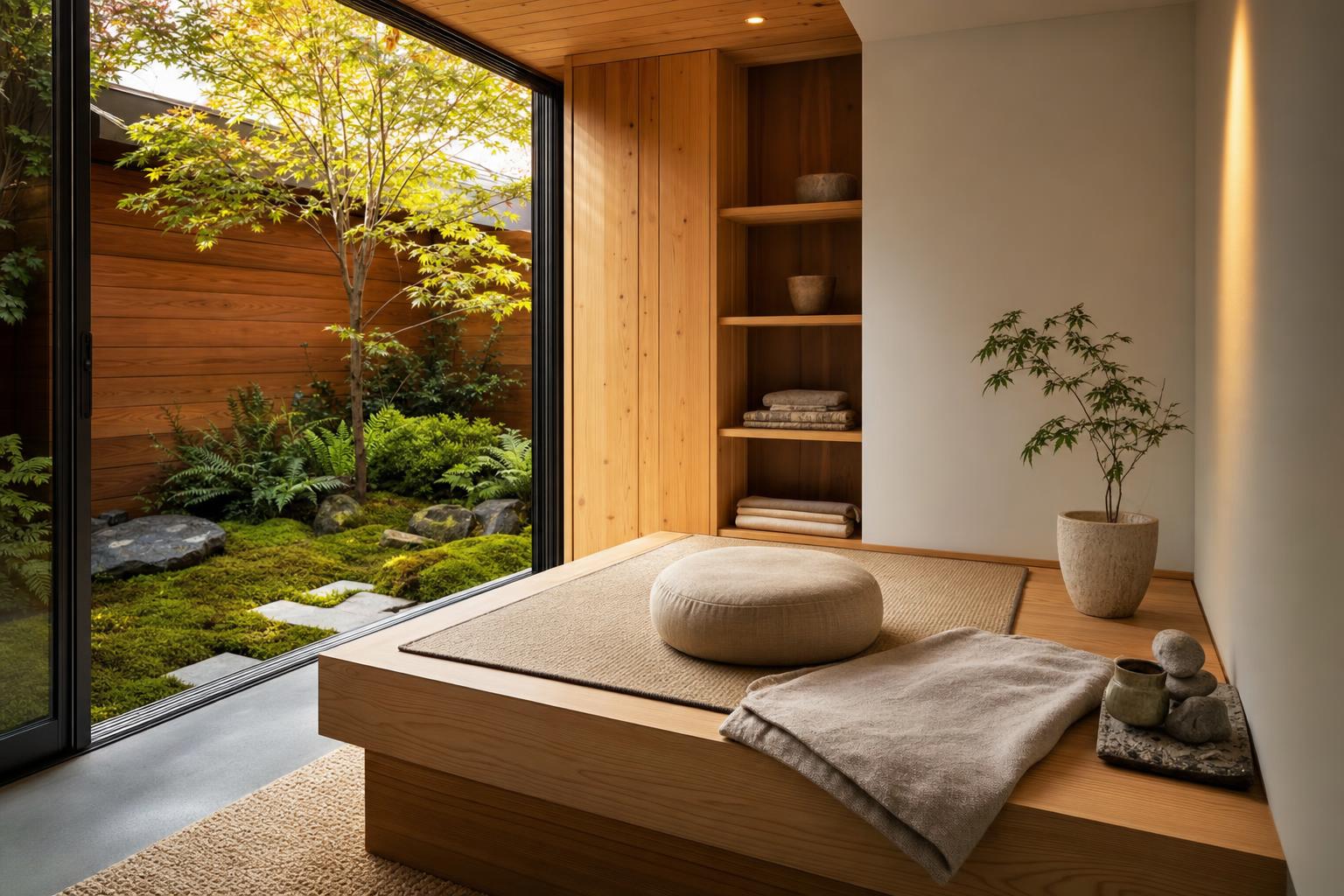
Meditation spaces are small, intentional spots set aside for quiet breathing, reflection, guided meditation, journaling, or a simple mental reset. In Canadian small spaces, that does not mean you need a spare room. A meditation nook can fit into a bedroom corner, a closet, a window seat, part of a living room, or even a small balcony in warmer months.
A defined relaxation space helps in simple, practical ways. It can cut down distractions, make your routine easier to keep, and add a calmer feeling to the whole home. For people living in condos, studios, basement suites, apartments, and tiny homes, that matters.
This guide covers why dedicated spaces help, how mindful design works in compact homes, room-by-room layout ideas, tiny home wellness strategies, shopping and storage tips, and seasonal advice for Canada in 2026. You will also get a quick checklist, mini floorplan-style examples, and a step-by-step setup plan you can use right away.
Why Dedicated Meditation Spaces Matter
A dedicated space acts like a gentle cue. When your cushion, chair, lamp, or blanket is already there and ready, it feels easier to begin. You do not need to search for supplies or clear a spot first. That lowers the barrier to starting.
Meditation and mindfulness practices may help support stress management and overall well-being. Consistent routines can support focus, emotional regulation, and better sleep habits. Even a few quiet minutes can feel more doable when your environment is calm and low-distraction. Mindfulness and meditation are also associated with benefits for stress and mental well-being, but it is best to think of them as supportive habits rather than guaranteed fixes. For more on the evidence and safety considerations, see meditation and mindfulness effectiveness and safety and the APA overview of meditation.
In Canadian small spaces, this can matter even more. During darker winter months, colder weather, and long stretches indoors, a simple indoor relaxation space is often more practical than hoping to find quiet outdoors. If you live in a busy building or dense urban area, a dedicated meditation nook indoors can be the easiest option. There is also an interesting link between environment and well-being in the psychology of tiny homes impact.
Dedicated does not mean permanent. It does not mean expensive either. It simply means the area is intentionally defined.
A rug, cushion, lamp, and basket in one corner can count as one of your meditation spaces if it clearly serves that purpose.
Mindful Design Principles for Compact Meditation Spaces
Mindful design means setting up a space on purpose so what you see, touch, and use supports calm instead of overstimulation. In small homes, every object has more impact, so simple choices matter.
Minimalism and Intentionality
Reduce visual clutter first. Keep only a few meaningful objects in the space.
That might be:
- one seat
- one light
- one storage piece
- one plant or object
Minimal does not mean empty. It means each item has a clear purpose. Hidden storage helps a lot because it keeps your meditation spaces calm instead of crowded. Ideas from tiny home storage solutions can be especially useful here.
Visual clutter can compete for your attention and make it harder to focus. That is one reason a simplified setup often feels more peaceful than a packed corner, as explored in research on attention and clutter from Princeton University.
Sensory Control
What you feel matters as much as what you see.
Aim for:
- soft, warm, adjustable lighting
- grounding textures like wool, linen, cotton, wood, and soft rugs
- quiet sound, or planned sound like white noise or nature audio
- subtle scent, not strong fragrance
Good lighting also supports comfort and routine quality. Bright overhead light may feel harsh, especially in the evening, while softer light can help the area feel more restful. Helpful background reading includes sleep hygiene guidance and ideas for tiny home light design.
Flexibility
Many meditation spaces need to do double duty in Canadian small spaces. That is normal.
Your nook can be:
- a reading corner by day
- a meditation corner at night
- a bench with hidden storage
- a chair setup that is easy to move
This is a core part of tiny home wellness. Folding furniture, stackable cushions, and baskets make it possible to create calm without losing function. See smart furniture Canada ADU and the modular furniture guide for inspiration.
Accessibility and Safety
A good relaxation space should be easy to use.
- If floor sitting is uncomfortable, use a chair, bench, or wall-supported cushion.
- Keep cords secured in walkways.
- Avoid open flames near curtains, bookshelves, or bedding.
- Make sure children, pets, and people with mobility needs can move around safely.
Quick Starter Checklist: What Every Meditation Nook Needs
A meditation nook does not need much. Start with the basics.
1. Comfortable Seating
Choose one option:
- floor cushion
- zafu
- folding meditation bench
- supportive chair
- storage ottoman
Comfort matters because your spine should feel neutral and supported, not strained.
2. Soft Lighting
Good options include:
- dimmable lamp
- warm LED bulb
- flameless candle
- low-glare wall sconce
Overhead lights can feel harsh and make a small relaxation space less restful.
3. Sound Support
If your home is noisy, add one simple tool:
- white noise machine
- small speaker
- fan
- soft headphones
This helps your meditation spaces feel separate from the rest of the room.
4. Natural Elements
Add one or two touches, such as:
- a small plant
- wood tray
- stone object
- ceramic bowl
- linen throw
- cotton mat
Natural textures add warmth and softness to compact homes. The idea aligns well with biophilic design tiny home wellness.
5. Storage
Use storage so the meditation nook does not become a clutter zone.
- basket
- wall shelf
- under-bench bin
- storage ottoman
- lidded box
Optional Add-Ons
If you want more comfort, add:
- blanket
- journal and pen
- timer
- yoga mat
- intention card
- essential oil diffuser if it is safe for your household
Space-Specific Meditation Space Ideas and Layouts
The best meditation spaces usually come from unused or underused areas. In a compact home, it is smarter to work with what is already there than to try to create a whole extra room.
Micro-Nooks for Very Small Homes
Closet-to-Nook Conversion
A shallow closet can become a simple retreat.
Try this setup:
- remove extra hanging items
- place a cushion or bench inside
- add a low shelf
- use an LED puck light
- leave it open or hang a curtain
This works well for renters because it uses very little floor area. You can adapt simple DIY ideas from DIY green wall installation for texture or a softer backdrop.
Window-Seat Meditation Area
A window can act as a natural focal point.
Add:
- folded blanket
- cushion
- side basket
- small lamp for cloudy days
In Canada, watch for winter drafts. A seat pad or thermal curtain can help.
Hallway Alcove or Under-Stairs Corner
Small leftover zones can still work.
Use:
- narrow rug
- wall hooks
- one ledge shelf
- compact seat
Bedroom Chair Corner
This is one of the easiest meditation nook ideas.
Keep it simple:
- one chair
- one lamp
- one basket or side table
- one textile
Corner Nooks
A triangular corner can become a strong relaxation space with very little effort.
Use:
- floor cushion or compact chair
- wall-mounted shelf above eye level
- small rug to define the area
- one plant
- one calming object
A rug or mat helps create a visible boundary, which makes the corner feel separate from the rest of the room. For additional styling inspiration, see tiny home decor ideas.
Balcony or Outdoor Urban Meditation Spaces
Outdoor meditation spaces can work well in spring, summer, and early fall.
Choose:
- moisture-resistant rug
- weather-safe storage box
- portable cushion
- privacy screen
- wind-blocking planter
In winter, move the routine indoors. If possible, keep the same cushion, blanket, or tray so the habit still feels familiar. Seasonal setup ideas can be found in climate adaptive decks Canada.
Tiny Home Wellness Layouts
Tiny home wellness is not about having more square footage. It is about using space with intention.
Good layout ideas include:
- fold-away wall bench
- bench with hidden storage
- vertical shelf with hook for headphones or beads
- ladder shelf that stores and decorates at once
Apartment and Condo Adaptations
In apartments and condos, privacy can be the hardest part.
Try using:
- curtains
- bookshelves
- folding screens
- open shelving
Keep the footprint small. Use vertical décor instead of bulky furniture. If your living room has many jobs, choose a setup you can put away in a minute or two. Privacy ideas for small homes are covered in tiny home privacy strategies.
Design Tips Tailored for Canadian Small Spaces
Canadian small spaces come with their own design needs. Winter, light changes, damp seasons, and compact city living all shape what works best.
Comfort During Cold Months
Cold floors and drafts can make a meditation practice less inviting.
Helpful upgrades:
- wool or fleece throws
- insulated rugs
- seat pads
- warm socks
You can also use heated seat pads or warming blankets if they have safe placement and automatic shutoff. If daylight is not your top priority, avoid setting up right beside a drafty window.
Optimizing Light During Short Winter Days
Place your setup near a window if possible. Daylight can help the space feel more awake and open.
For mornings, try:
- warm bright lamp
- full-spectrum bulb
- clear path to natural light
Some people also use light therapy lamps during darker months as a wellness-support tool. In the evening, switch to softer light so the space still feels calm.
Light exposure affects circadian rhythm and sleep patterns, which is why smart lighting choices matter so much during Canadian winters. See light and sleep and more ideas for tiny home light design.
Sourcing for Canadian Homes
When shopping in 2026, look for:
- Canadian-made cushions and textiles
- local ceramic makers
- independent décor shops
- eco-friendly and secondhand marketplaces
- Canadian Etsy sellers
Local sourcing can reduce shipping, support small businesses, and make returns simpler. Start with guides to tiny home furniture Canada.
Balcony and Entryway Weatherproofing
If your meditation spaces include a balcony or entry-adjacent zone, choose materials that can handle changing weather.
Best picks include:
- moisture-resistant fabrics
- easy-clean surfaces
- sealed storage
Bring soft items indoors during snow, freezing rain, or damp shoulder seasons. Weather-conscious advice is also useful in coastal tiny homes Canada weatherproof.
Creating a Relaxing Aesthetic With Color, Material, and Décor
A calming look should support attention, not compete for it. If your corner feels too busy, it will not feel restful.
Colours That Work Well
Try soft, quiet shades like:
- warm whites
- soft neutrals
- muted greens
- dusty blues
- earthy taupes
- clay tones
These colours help a relaxation space feel settled and gentle.
Materials That Feel Grounding
Choose materials with texture and warmth:
- natural wood
- linen
- cotton
- wool
- ceramic
- stone
These finishes make a meditation nook feel comfortable without adding visual noise.
Simple Décor Rules
- choose one focal point
- keep one or two meaningful items only
- avoid crowded gallery walls
- skip high-contrast colour clashes in tiny corners
Style Formulas You Can Copy
Nordic Calm
- pale wood
- white walls
- wool textile
- matte ceramic
Japanese-Inspired Simplicity
- low seating
- neutral tones
- uncluttered surfaces
Soft Coastal Retreat
- muted blue-grey
- linen
- woven basket
- diffused light
Warm Modern Minimalism
- oak
- cream
- matte black lamp
- simple geometric rug
This is where mindful design really shows up. The goal is slower attention, less visual stress, and a corner that quietly invites you to pause. Even general small-home aesthetic thinking, like curb appeal tiny homes Canada, can inspire a more intentional palette.
Sound, Scent, and Lighting: The Sensory Triad
In compact homes, sensory details often matter more than size. A small corner can feel deeply separate from the rest of the room if the sound, scent, and lighting are handled well.
Sound
To soften noise, try:
- white noise machine
- low fan
- nature recordings
- soft instrumental audio
You can also reduce noise with room features like:
- rugs
- lined curtains
- door sweep
- bookshelf on a shared wall
- upholstered furniture nearby
Headphones can help in shared homes, but they should still feel safe and comfortable. For more, see noise reduction Canadian housing and soundproofing tiny homes privacy.
Scent
Scent is optional. Some homes feel best unscented.
If you use scent, keep it subtle:
- essential oils
- soy candles
- incense alternatives
- linen sprays
Be careful with strong fragrance around pets, children, asthma, or scent-sensitive people. Also, smudging practices have cultural meaning and should not be treated as a simple décor trend.
Lighting
Use different lighting for different times of day.
Morning setup:
- natural light
- bright warm lamp
Evening setup:
- low lamp
- amber bulb
- flameless candle
- wall sconce
Avoid harsh overhead lights and exposed cool-toned bulbs. Sleep guidance also supports dimmer evening light and calmer pre-sleep environments, as noted in sleep hygiene. Smart fixture options are also discussed in smart lighting Canadian tiny homes.
Furniture, Storage, and Modular Solutions
Furniture in a meditation nook should support stillness without taking over the room.
Useful options include:
- collapsible meditation benches
- stackable floor cushions
- compact accent chairs
- storage ottomans
- wall-mounted ledges
- narrow bookshelves
- decorative baskets
- foldable screens
- curtains on ceiling tracks
Simple Size Guidelines
These are flexible, not strict.
- Floor cushion setup: about 2.5 to 3 feet deep
- Seat plus side shelf: about 3 to 4 feet deep
- Chair setup: enough room to sit down and stand up without hitting shelves
These ranges help when planning for Canadian small spaces, especially condos and tiny homes.
DIY Storage Ideas
To support tiny home wellness, use storage that blends in.
Examples:
- bench with lidded top
- hanging pocket organizer inside a closet nook
- low basket under a console table
- peg rail for blanket and headphones
Tech: What to Include and What to Avoid
Tech should support your practice, not become the centre of it.
Helpful Tech
Use tools that keep things simple:
- meditation apps
- breathing timers
- short guided audio
- low-profile Bluetooth speaker
- sunrise-style clock light for morning routines
Tech to Avoid
Skip anything that pulls your attention away:
- active notifications
- visible social media icons
- bright tablets or TVs in your line of sight
- too many gadgets in the nook
Practical Rules for Mindful Design
- put your phone on airplane mode
- place it face down or behind you
- use one app consistently
- consider a small timer instead of your phone
That makes the relaxation space feel more intentional and less like another screen zone. The broader conversation around technology and compact living can be explored in AI tiny homes.
Tiny Home Wellness Case Studies and Mini Floorplan Examples
These realistic examples show how meditation spaces can work in real homes.
Case Study 1: 1-Bedroom Apartment Corner Conversion
Before:
An unused corner with cables, loose items, and no purpose.
After:
- floor cushion
- small rug
- floor lamp
- plant
- basket
- floating shelf
Estimated size: about 3 feet by 4 feet
What problem it solves: It gives the room a clear calm zone without taking much space.
Why it works: The footprint is small, the storage keeps clutter contained, and the setup is always visible and ready.
Why it suits Canadian small spaces: It works in a condo or apartment where every corner needs a job.
Case Study 2: Tiny Home Bench That Converts to Meditation Nook
Before:
A bench used only once in a while.
After:
The bench works for reading or dining overflow by day. A cushion and throw stay inside the bench. At night, the setup takes less than two minutes.
Estimated size: about 4 feet wide by 2 feet deep
Furniture used:
- storage bench
- cushion
- throw
- wall sconce
- narrow shelf
What problem it solves: It creates a calm ritual without needing a dedicated room.
Why it works: This is tiny home wellness in practice: one object, more than one use.
Why it suits Canadian small spaces: It keeps floor area open and helps small homes stay flexible year-round. You can find related ideas in smart furniture Canada ADU.
Case Study 3: Closet-to-Meditation Nook DIY for Condo Dwellers
Before:
A packed hall closet with mixed storage.
After:
- calm paint or peel-and-stick backing
- battery or plug-in LED light
- floor cushion
- mini shelf
- curtain
Estimated size: about 2.5 feet by 3 feet inside footprint
What problem it solves: It adds privacy in a shared home or open-plan condo.
Why it works: The nook feels enclosed, quiet, and clearly separate.
Why it suits Canadian small spaces: It uses existing square footage instead of adding new furniture elsewhere. For related DIY inspiration, see DIY green wall installation.
Budget Guide and Shopping Resource List
You do not need a big budget to start a meditation nook.
Under $50
You can begin with:
- folded blanket or simple floor cushion
- small plant
- LED candle
- basket
Start with what you already own. A chair, scarf, lamp, and box can be enough.
$50 to $300
This range gives you more comfort and function.
Possible picks:
- meditation bench
- dimmable lamp
- small rug
- speaker or timer
- storage ottoman
$300+
If you want a more built-in setup, you might add:
- custom shelving
- upgraded seating
- premium textiles
- closet conversion materials
- small-space design help
Smart Shopping for 2026
For Canadian small spaces and tiny home wellness, look for:
- Canadian retailers
- small businesses
- eco-conscious brands
- vintage and secondhand sources
- local artisan marketplaces
A sustainable approach often works best: buy fewer, better pieces, repurpose furniture, and check local resale apps first. Start with resources on tiny home furniture Canada and downsizing tiny home living.
Step-by-Step Plan to Build Your Meditation Nook
Here is a simple plan you can finish over a weekend.
1. Choose the Location
Time: 15 to 30 minutes
Look for:
- quiet corner
- window edge
- spare closet
- bedroom corner
- balcony zone
Choose the place with the fewest interruptions, a comfortable temperature, and enough room to sit.
2. Declutter the Area
Time: 15 to 45 minutes
Remove:
- unrelated storage
- visible cords
- laundry piles
- paperwork
- random clutter
Visual clutter can work against calm, so this step matters more than most people think.
3. Define the Boundaries
Time: 10 to 20 minutes
Use one or two markers:
- rug
- mat
- curtain
- shelf
- screen
- lighting zone
This tells your brain the area has a purpose.
4. Add the Foundation
Time: 20 to 60 minutes
Start with the minimum essentials for a functional meditation nook:
- seating
- lighting
- one storage piece
5. Layer in Sensory Elements
Time: 15 to 30 minutes
Add only what helps:
- blanket
- sound support
- plant
- gentle scent if appropriate
6. Personalize With Intention
Time: 15 to 30 minutes
Add one or two meaningful objects, such as:
- journal
- quote card
- ceramic bowl
- small artwork
Mindful design works best when the space feels personal but not crowded.
7. Test for One Week
Use the space daily for 3 to 10 minutes.
Notice:
- comfort
- noise
- drafts
- lighting
- reach of your items
Refine based on real use, not perfection.
Maintenance, Habit Integration, and Everyday Wellness Tips
A calm corner only stays calm if you maintain it. The quickest way to lose the effect is to let it turn into overflow storage.
Weekly Maintenance Checklist
- return props to basket
- shake out cushion
- wipe shelves
- remove unrelated items
- reset lamp and blanket
Seasonal Refresh for Canada
- switch textiles by season
- adjust lighting in winter
- rotate plants
- move outdoor items indoors
- check for drafts or moisture
Habit-Building Tips
- use the nook at the same time each day
- start with 3 to 5 minutes
- pair it with tea, journaling, or stretching
- keep the area ready at all times
A ready relaxation space removes friction, and that makes routines easier to keep.
If You Live With Family or Roommates
- communicate your quiet time
- use headphones if needed
- place a visual cue when the space is in use
Frequently Asked Questions
How much space do I need for a meditation nook?
Not much. Even a very small corner can work if it is defined, comfortable, and easy to access.
Can I meditate in a tiny home during winter in Canada?
Yes. Use warmer textiles, better lighting, and a draft-free setup. Winter-ready meditation spaces are often more comfortable indoors than outdoors. For seasonal planning, see winter proof tiny home Canada and seasonal tiny home living Canada.
What is the best seating for beginners?
A supportive chair, cushion, or bench can all work. The best choice is the one that lets you sit comfortably with steady posture.
How do I keep a relaxation space private in a studio apartment?
Use curtains, shelving, screens, headphones, and predictable practice times. Even small privacy cues help. Helpful ideas include privacy in tiny homes and soundproofing tiny homes Canada.
What should I avoid in meditation spaces?
Avoid clutter, harsh lighting, too many decorative objects, open-flame hazards, and distracting screens.
60–90 Second Guided Practice Script
Sit comfortably in your meditation nook, with your feet on the floor or your legs supported on a cushion.
Let your hands rest softly.
Breathe in through your nose for a count of 4.
Breathe out for a count of 6.
Again, inhale for 4.
Exhale for 6.
Now notice 3 physical sensations.
Maybe your feet on the floor, the fabric under your hands, or the air on your face.
Now notice 2 sounds.
Let them be there without judging them.
Now name 1 thing you feel grateful for.
Take 5 to 8 slow breaths here.
As you finish, set one simple intention for the day.
It can be as small as “move gently,” “stay present,” or “take one pause before I rush.”
Meditation spaces do not need to be large, costly, or permanent to be useful. A thoughtful meditation nook can support routine, comfort, and a calmer home atmosphere.
In Canadian small spaces, intentional choices often matter far more than square footage.
Start with one corner and one small habit. That is often enough to turn a spare edge of a room into one of the most grounding meditation spaces in your home.
Leave a Reply