

What Is a Tiny Home Hostel? A 2026 Guide to Budget Travel, Communal Living, and Canadian Tourism
Estimated reading time: 14 minutes
Key Takeaways
- A tiny home hostel is a cluster of compact cabins or tiny houses built around shared spaces like kitchens, lounges, bathrooms, and outdoor gathering areas.
- In 2026, the model matters more because future travel trends and sustainable Canadian tourism continue to push demand for affordable, social, and lower-impact accommodation.
- It blends privacy and community: more personal space than a dorm bed, but more connection and lower costs than many private rentals.
- This model can appeal to budget-minded travellers, backpackers, digital nomads, slow travellers, hospitality entrepreneurs, community-builders, and local tourism leaders.
- Success depends on strong design, legal fit, operational planning, and a thoughtful approach to communal living.
Table of contents
- What is a tiny home hostel?
- Why tiny home hostels matter for budget travel in Canada in 2026
- Tiny home hostels and the rise of affordable lodging 2025 trends into 2026
- The communal living advantage
- Where tiny home hostels fit into Canadian tourism
- Regulations, zoning, and permitting in Canada in 2026
- Design and amenities that make a tiny home hostel work
- How travellers can find and book a tiny home hostel
- How to start a tiny home hostel in Canada
- Illustrative case study models
- Challenges and realistic solutions
- Future outlook for tiny home hostels in Canadian tourism
- Practical traveller checklist
- Practical operator checklist
- Frequently Asked Questions
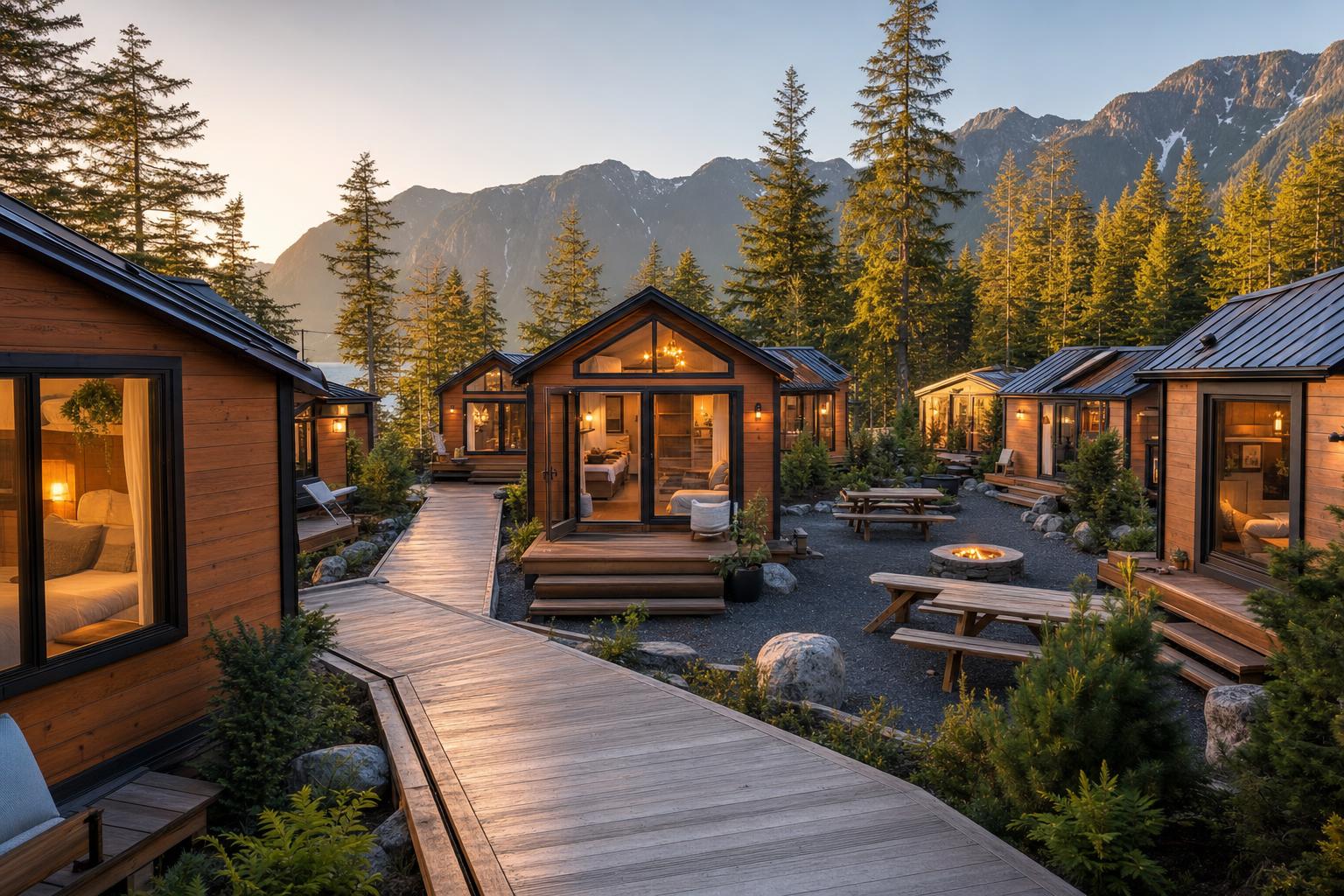
A tiny home hostel is a small cluster of compact cabins or tiny houses set around shared spaces like kitchens, lounges, bathrooms, and outdoor gathering areas. In 2026, the tiny home hostel model matters more than ever because the pressures behind affordable lodging trends have carried forward, and more people want budget travel options that also support social stays and sustainable Canadian tourism.
This guide explains what a tiny home hostel is, why the idea is growing in Canada, and how it supports both travellers and community-builders. It also covers costs, communal living benefits, regional opportunities, regulations, design, booking tips, and a practical path for anyone thinking about starting one in 2026, drawing on ideas around tiny home community startups in Canada and co-living ADU developments.
A tiny home hostel can appeal to:
- budget-minded travellers and backpackers
- digital nomads and slow travellers
- hospitality entrepreneurs and community-builders
- small towns, tourism groups, and local leaders exploring new accommodation options
What is a tiny home hostel?
A tiny home hostel is a hospitality setup made of several small guest units, often around 150 to 400 square feet, used for short stays. Each unit gives guests more privacy than a dorm bed, while shared spaces help keep costs lower than many private rentals. This idea sits close to both the tiny home living guide approach and the broader multi-unit tiny homes model.
In simple terms, it blends three ideas:
- the compact design of a tiny house
- the shared amenities of a hostel
- the social feel of communal living
Most tiny home hostels include:
- private tiny units for 1 to 4 guests
- either private bathrooms or shared bathhouses
- a central common building
- shared kitchens and dining areas
- lounges or coworking corners
- outdoor spaces like fire pits, picnic tables, gardens, or bike storage, often inspired by communal kitchen design, tiny home communities, and remote-work-friendly ADUs
What the layout usually looks like
A guest might sleep in a small private cabin with a bed, heat, lights, and storage. Then they walk a short distance to a shared kitchen, washroom block, lounge, or outdoor deck. Some sites also add gear rooms, laundry, or a covered social space for bad weather, using ideas from tiny home storage solutions, tiny home laundry planning, and climate-adaptive deck design.
This setup works well for budget travel because guests get a private place to sleep without paying for a full hotel room. It also supports communal living because people still meet in the shared spaces, which is a core part of tiny home co-living in Canada and shared ADU concepts.
Tiny home hostel vs other stay types
Vs traditional hostels
A tiny home hostel usually offers:
- more privacy
- fewer guests on site
- better sound separation
- more outdoor space, especially when using soundproofing strategies and noise reduction design
A standard hostel often has dorm rooms and higher guest density.
Vs tiny home villages
Tiny home villages are often built for long-term or residential use. A tiny home hostel is visitor-focused and run as short-stay accommodation, though some planning lessons overlap with community startup models.
Vs standalone Airbnb or tiny rentals
A standalone rental gives total privacy, but it often costs more per person. A tiny home hostel has shared facilities, social programming, and lower per-person pricing, much like the difference between short-term rentals in ADUs and more community-oriented tiny home rentals for remote workers.
Because this category is still new, properties may use different labels, such as:
- micro-cabin village
- eco-hostel
- tiny house retreat
- glamping-style accommodation
- cabin hostel
Tiny houses are commonly described as compact units in the 150 to 400 square foot range, and hostel-style stays are known for shared amenities and social, budget-oriented travel. See the tiny-house movement and HI Canada hostels for wider context.
Why tiny home hostels matter for budget travel in Canada in 2026
Accommodation prices across Canada are still high. Many travellers want an option between expensive hotels and fee-heavy short-term rentals. That is where the tiny home hostel fits, especially for travellers comparing budget tiny home travel tips and flexible tiny home stays.
For budget travel, this model can help in a few practical ways:
- nightly rates can be lower than many hotels
- friends can split the cost of a private cabin
- shared kitchens cut food spending
- laundry and Wi‑Fi make longer stays easier
- common areas reduce the need to pay for extra services elsewhere, especially when sites include shared kitchens, reliable internet, and laundry access
This matters because travellers are not only looking for the cheapest bed. They want value. They want a stay that is affordable, useful, and social.
Why modern travellers like this model
Younger travellers often want two things at once: lower prices and a social atmosphere. A tiny home hostel can offer both, which is why ideas around co-living and the psychology of tiny homes matter here.
Digital nomads and slow travellers also benefit. They may want a quiet place to sleep or work, but they still like having a shared kitchen, lounge, or coworking corner where they can meet others, much like the setups discussed in digital nomad travel in Canada and remote-work ADU design.
Eco-conscious guests are also drawn to smaller-footprint stays. Compact buildings often use fewer materials and less energy than large hotel rooms, especially when the site shares key services. That connects closely with tiny sustainable living homes and net-zero sustainable communities.
Why it matters for Canadian tourism
This model also fits larger Canadian tourism trends. It can help destinations add more places to stay without building a large hotel. That makes it useful for:
- road-trip routes
- park gateways
- trail towns
- surf and ski regions
- smaller rural communities, especially where rural tiny home opportunities and future campground models are relevant
It can also help spread visitors beyond crowded hotspots. That is good for local businesses and can reduce pressure on the busiest places.
Small-scale accommodation can do something large hotels often cannot: fit into a place without overpowering it.
Destination Canada highlights the value of sustainable and dispersed tourism, and Statistics Canada tourism data tracks the travel demand and pricing pressures shaping accommodation choices.
Tiny home hostels and the rise of affordable lodging 2025 trends into 2026
Affordable lodging became a major issue when nightly rates, extra fees, and peak-season spikes made travel harder for many people. Those same pressures still matter in 2026, and they connect with wider concerns around affordable housing solutions and housing costs for ADUs and tiny homes.
Many travellers now compare not just the base room rate, but the full trip cost. That includes:
- accommodation
- taxes
- booking fees
- food
- transport
- extras
A tiny home hostel can support budget travel because it often lowers more than one cost at once, especially compared with some short-term rentals or heavily styled, higher-cost micro-stays like those discussed in tiny home staging trends.
Indicative pricing ranges
Rates vary a lot by region, season, and amenities, but example ranges may look like this:
- shared bed or micro-dorm style unit: about CAD $35 to $90
- private tiny cabin for 1 to 3 people: about CAD $90 to $220
These are examples, not guarantees. A mountain town in high season will cost more than a rural stop in shoulder season.
Why tiny home hostels can stay more affordable
A tiny home hostel may cost less to run because:
- small units are cheaper to heat and maintain
- one kitchen can serve many guests
- shared infrastructure lowers overhead
- operators can mix private cabins and lower-cost shared units, especially with efficient systems like heat pumps and careful utility planning
That mix gives flexibility. A property can welcome solo backpackers, couples, and small groups at different price points.
What guests should look at in the final price
Before booking, check the full cost, including:
- nightly rate
- taxes
- booking platform fees
- cleaning fees, if any
- paid add-ons like breakfast, sauna access, bike hire, or workshops, which may reflect extras such as a tiny home sauna or upgraded kitchen design
A private cabin may look expensive at first, but if two or three people split it, the price per person can drop fast.
The host side of affordability
For operators, low rates only work if the numbers are solid. Startup costs usually include:
- land
- tiny units
- utility servicing
- shared building
- permits
- furnishing
- insurance, all of which connect to ADU build costs in Canada, hidden construction costs, and tiny home insurance
Occupancy, design efficiency, and season length all affect whether a tiny home hostel can stay affordable. Some hosts may also support lower rates with extra revenue from:
- coworking passes
- events
- classes
- gear rental
- food service, similar to ideas in community events and shared workshop spaces
Rates always depend on destination, season, and features. Statistics Canada is one of the best primary sources for market context on travel and accommodation pricing.
The communal living advantage
Communal living in a tiny home hostel means guests have a private or semi-private place to sleep, but share useful and social spaces with others. The goal is not just to save money. It is to create an easy, welcoming place where people can connect, an idea closely tied to co-living models and community governance in tiny home settings.
What communal living looks like in practice
Common features often include:
- large shared kitchens with labelled food storage
- long tables for shared meals
- lounges with books, games, and desks
- fire pits, gardens, hammocks, or decks
- group hikes, music nights, workshops, or community dinners inspired by communal kitchen planning, community gardens, and community events
These details matter. A tiny home hostel feels stronger when the shared spaces are designed with care, not treated as an afterthought.
Benefits for guests
Communal living can help guests by making it easier to:
- meet other travellers
- feel less alone on a solo trip
- share tips and local knowledge
- lower daily costs through shared amenities
- enjoy a more memorable stay
For many people, this is the biggest advantage over a private rental. You get your own sleeping space, but you do not feel cut off. That balance is part of what makes the tiny home experience psychologically appealing.
Benefits for hosts and communities
Hosts and nearby communities also gain value. A tiny home hostel can create room for:
- local guides to lead walks or tours
- artists to teach workshops
- food businesses to host meals
- longer guest stays
- more spending in the local area, as seen in ideas around tiny home workshops and tiny home business models
This can help a destination build an identity around community-based hospitality instead of generic lodging.
The limits of communal living
Communal living works best when expectations are clear. Shared spaces can create tension if rules are vague.
Hosts need:
- quiet hours
- cleaning systems
- food storage rules
- clear respect for shared areas
- ways to handle noise and safety issues, informed by noise bylaws and privacy planning
Hostel-style travel has long been linked to social accommodation, and community-connected travel models are also supported by Indigenous tourism development approaches in Canada and established hostel networks such as HI Canada.
Where tiny home hostels fit into Canadian tourism
Tiny home hostels are not only an urban idea. In many parts of Canada, they may work best outside city centres.
British Columbia
British Columbia has strong potential along outdoor tourism corridors such as the Sea-to-Sky, Vancouver Island, the Kootenays, and the Okanagan-Shuswap. These areas attract hikers, bikers, surfers, skiers, and road-trippers who often want lower-cost stays with gear storage and communal living features, especially where BC permitting and coastal weatherproofing are well understood.
Alberta
Alberta is a strong fit near mountain gateways and high-demand travel routes. A tiny home hostel can offer budget travel options close to premium nature areas where hotel rates may be out of reach for many visitors. See the Alberta permitting guide.
Ontario
Ontario has opportunities near city-edge nature escapes, provincial parks, cycling areas, and cottage-country corridors. A tiny home hostel could also work well in places where travellers want quick weekend stays without paying resort prices, especially with insight from the Ontario permits guide and lakeside cottage ADU planning.
Quebec
Quebec suits this model in scenic regions, cultural routes, and rural stays near major cities. A small clustered site can support both local tourism and longer slow-travel visits.
Atlantic Canada
Atlantic Canada is a good match for trail travel, rural tourism, coastal road trips, and regenerative tourism. Smaller communities may benefit from adding flexible accommodation without needing major hotel construction, particularly in places exploring coastal ADU and cabin options.
Indigenous tourism opportunities
Small-scale clustered accommodation can also pair well with guided cultural experiences and on-the-land programs. Where available, travellers should look for Indigenous-owned or partnered experiences through official networks. This helps support more local and community-rooted Canadian tourism, including Indigenous Tourism Association of Canada resources and ideas around Indigenous-led tiny home communities.
Destination Canada and provincial tourism groups such as HelloBC, Travel Alberta, Destination Ontario, and Bonjour Québec help show where regional demand and travel patterns are strongest.
Regulations, zoning, and permitting in Canada in 2026
Regulation is often the biggest factor in whether a tiny home hostel can legally operate. There is no single rule for all of Canada. Requirements change by province, municipality, and land-use category, which is why resources on tiny home bylaws, the Canadian ADU regulations guide, and the 2026 ADU legal clinic are useful starting points.
Main issues to understand
Tiny-home definitions
Some places treat tiny units as dwellings. Others may classify them as RVs or temporary structures. That changes what is allowed.
Minimum size rules
Some building rules assume larger units than a tiny home. That can create problems if the project is reviewed under the wrong category.
Zoning
Hospitality use may only be allowed on certain lands, such as:
- tourist-commercial
- resort
- campground
- some rural zones, especially where rural opportunities and tiny-home-friendly municipalities are emerging
Short-term rental laws
Some urban and resort areas require licences or set limits on short stays. Review local rules and broader guidance on short-term rentals in ADUs.
Building code and servicing
Projects may need approval for:
- fire separation
- exits
- accessibility
- winterization
- water
- sewer
- electrical systems, often drawing on guidance for fire safety, accessibility, and utility connections
Off-grid systems
Composting toilets and greywater systems may need extra review or may not be allowed in some places. See composting toilets in tiny homes, greywater recycling for tiny homes, and the broader greywater ADU guide.
Best practices for operators
Before buying land or ordering units, it helps to:
- talk to local planners early
- ask which land-use category fits the project
- work with a planner, architect, or code consultant
- use builders who understand Canadian climate standards
- consider a phased launch or pilot site, using resources like the tiny home legal clinic guide, the tiny home builder guide, and legal requirements for tiny homes in Canada
This is not legal advice. Anyone starting a tiny home hostel needs to verify local rules directly with the right authority.
Tourism market data can help support the business case, but legal approval depends on local planning and code systems. See Statistics Canada tourism data and Destination Canada.
Design and amenities that make a tiny home hostel work
A successful tiny home hostel is not just a row of small cabins. The site needs to be easy to use, safe, social, and comfortable.
Strong layout basics
The best setups often:
- cluster units around a central shared building
- use clear lit pathways
- mix shared units and private cabins
- include at least one accessible unit without loft-only sleeping, using ideas from the accessible tiny home guide and curbless entry design
This layout helps communal living feel natural while still protecting privacy.
Amenities that matter most
Guests notice practical details first. Strong basics include:
- a communal kitchen with enough prep space
- enough showers and washrooms
- laundry
- secure lockers
- lockable unit doors
- reliable Wi‑Fi
- charging points
- gear storage for local activities, supported by resources on Canadian tiny home kitchen design, laundry planning, and universal Wi‑Fi for tiny homes
In Canada, gear storage can be a major draw for skiers, cyclists, hikers, paddlers, and surfers.
Sustainability features
For a 4-season operation, strong building performance matters. Useful features include:
- high insulation
- energy-efficient heating such as heat pumps
- low-flow fixtures
- shared utility systems
- solar support where practical, as shown in winter-proof tiny home design, heat pump guidance, and solar-ready design
These features can improve comfort and reduce operating costs.
Guest experience features
People also need a space that feels good, not just functional. Helpful touches include:
- covered outdoor social areas
- clear signage
- comfortable seating
- privacy buffers between units
- simple house rules, often improved by privacy strategies and all-weather outdoor design
Safety and hygiene
A tiny home hostel should also have:
- smoke detectors
- carbon monoxide detectors
- fire extinguishers
- visible exits
- exterior lighting
- regular cleaning schedules
- noise management systems, based on good practices in fire safety, tiny home safety, and noise reduction
Tiny house design basics and hostel guest expectations both shape what works best in this type of property. See the tiny-house movement and hostel guest expectations in Canada.
How travellers can find and book a tiny home hostel
Because the term tiny home hostel is still new, travellers should search more than one phrase.
Search terms to try
Use terms like:
- tiny house village
- micro-cabin stay
- eco-hostel
- cabin hostel
- glamping with shared kitchen
- hostel cabins
- micro-lodge, especially when exploring related ideas like a tiny home studio or a tiny home showroom guide
Where to look
Good places to search include:
- hostel booking sites
- Booking.com and similar platforms
- local tourism board listings
- Google Maps
- social media
- small-property websites in outdoor regions
Smart booking tips for budget travel
To save money, try to:
- travel in shoulder season
- book midweek stays
- split a private unit with friends
- ask about weekly discounts
- check for volunteer or work-exchange options where suitable through ideas like remote-work tiny home stays and tiny home exchange opportunities
Questions to ask before booking
Before you confirm a stay, ask:
- Is the kitchen fully equipped?
- Are bathrooms private or shared?
- How many people use the common spaces?
- What is the Wi‑Fi like?
- Are there quiet hours?
- Is the unit winterized?
- Do I need a car?
- Are communal dinners or events included?
- Is the property accessible? Review ideas in universal design for tiny homes and tiny home accessibility in Canada
These questions matter because a tiny home hostel can vary a lot from one site to another.
Hostel networks and tourism boards remain useful places to find social and alternative stays across Canada, including HI Canada, Destination Canada, HelloBC, Travel Alberta, Destination Ontario, and Bonjour Québec.
How to start a tiny home hostel in Canada
For entrepreneurs and community-builders, a tiny home hostel can be a strong idea, but it needs careful planning.
1. Validate demand
Start by identifying likely users:
- backpackers
- cyclists
- hikers
- digital nomads
- seasonal workers
- event visitors, with overlap in markets discussed in seasonal housing for tiny homes and ADUs and mobile tiny homes for seasonal work
Then compare local accommodation gaps, average rates, transport access, and seasonality.
2. Choose the right site
Look for land with tourism-compatible zoning. Check:
- distance to attractions or town
- road access
- winter access
- utilities
- drainage
- parking
- emergency access, with help from the land lease guide and guidance on parking requirements
3. Clarify the regulatory route
Meet planning staff early. Ask whether your model fits under:
- campground
- tourist lodging
- eco-resort
- another local category, using tools like the tiny-home-friendly municipalities guide and city permit resources
4. Build the financial model
Budget for:
- land
- units
- common building
- site work
- utility servicing
- permits
- furnishing
- staffing
- marketing
- insurance, drawing on build-cost estimates, hidden-cost planning, and insurance guidance
Model occupancy carefully and use conservative assumptions.
5. Decide the business structure
Possible structures include:
- private operator
- co-op
- social enterprise
- partnership with a community group or destination organization, including options like a tiny home co-op or co-ownership model
6. Design for operations
Think about daily use, not just appearance. Plan for:
- cleaning flow
- linen storage
- check-in systems
- guest circulation
- maintenance access, supported by an ADU maintenance checklist and smart tiny home maintenance planning
7. Create the guest experience
A good tiny home hostel needs more than beds. It also needs:
- community guidelines
- local partnerships
- simple digital booking
- clear communication
- optional social programming, using lessons from community events and community governance
8. Launch small and refine
A pilot cluster can help lower risk. Start with a smaller number of units, gather guest feedback, and improve pricing and amenities before expanding.
Funding and partnerships
Possible support sources may include:
- local economic development programs
- tourism grants
- credit unions
- social finance groups
- impact investors
- Indigenous partnerships where relevant and appropriate, alongside resources on grants and municipal incentives and ADU financing in Canada
Tourism demand data, destination strategy, and community-connected tourism frameworks can all help shape a better model. See Destination Canada, Statistics Canada, and ITAC.
Illustrative case study models
These are representative concepts, not named real properties.
Outdoor adventure micro-village
This model sits near skiing, hiking, or mountain biking. It might include:
- compact private cabins
- a gear room
- a drying room
- shared kitchen and fire pit, using ideas from small eco-cabin retreat design and tiny home storage ideas
Target market:
- backpackers
- active couples
- road-trippers
- small friend groups
Communal living adds value by helping guests swap route tips, share transport, and cook together. It also supports Canadian tourism by giving outdoor destinations more affordable beds without needing a large hotel, much like concepts explored in future tiny home campgrounds and community tool-sharing models.
Rural regenerative tiny hostel
This model combines tiny units with gardens, farm programming, or local workshops. Amenities may include:
- communal dining
- outdoor seating
- workshop space
- local food events inspired by community gardens and urban homesteading tiny home ideas
Target market:
- slow travellers
- eco-conscious guests
- solo travellers
- weekend visitors
Communal living becomes part of the experience, not just the layout. Guests may join group meals, learn local skills, and spend more time in the area.
Edge-of-city coworking tiny hostel
This model sits just outside a city with transit access and a shared workspace. It may include:
- compact private units
- coworking desks
- fast Wi‑Fi
- shared kitchen
- quiet lounge inspired by remote work retreat design in Canada and remote-work ADU planning
Target market:
- remote workers
- digital nomads
- short-term creatives
- event visitors
This kind of tiny home hostel can support Canadian tourism by giving people a lower-cost base near urban centres while spreading spending into nearby communities.
Community-based and distributed tourism ideas align with broader Canadian destination goals, as seen through Destination Canada and Indigenous tourism frameworks.
Challenges and realistic solutions
A tiny home hostel can work well, but it is not easy.
Common challenges
- zoning and permit delays
- neighbourhood opposition
- insurance complexity
- seasonality
- utility and servicing limits
- balancing privacy with social atmosphere
- maintenance demands, all issues that overlap with neighbour relations and tiny home insurance complexity
Practical solutions
Zoning delays
Engage planners early and phase the project if needed.
Neighbourhood opposition
Hold information sessions, explain quiet hours, and show clear plans for traffic, parking, and noise.
Insurance complexity
Use brokers with experience in hospitality and alternative accommodation. See tiny home insurance for remote sites and tiny home insurance in Canada.
Seasonality
Add retreats, workshops, remote-work packages, and shoulder-season offers to widen demand, using ideas from wellness retreats in tiny homes and tiny home workshops.
Privacy concerns
Design spacing, sound buffers, and small private outdoor areas, informed by soundproofing for privacy and tiny home privacy strategies.
Maintenance issues
Centralize operations, choose durable finishes, and build strong cleaning systems. Helpful references include builder contracts and maintenance and pest control for tiny homes.
The main takeaway is simple: tiny home hostels are promising, but success depends on legal fit, strong operations, and thoughtful hospitality design.
Tourism strategy and travel pattern data both support the need for flexible accommodation models while also showing the importance of seasonality and destination planning. See Destination Canada and Statistics Canada.
Future outlook for tiny home hostels in Canadian tourism
Several long-term trends suggest this model may keep growing.
- accommodation affordability is still a concern
- travellers want more authentic, lower-impact stays
- destinations want to spread benefits beyond crowded centres
- modular and small-scale development remains attractive, especially with interest in cost-efficient modular homes and prefab passive house ADUs
That makes the tiny home hostel more relevant in 2026 and beyond.
It offers:
- more privacy than a dorm hostel
- more social connection than a private rental
- lower costs than many hotels
- a good fit for solo travellers, couples, and small groups
It also matches the direction of sustainable and distributed Canadian tourism. Even if the exact label tiny home hostel stays niche, the wider format of clustered micro-accommodation with shared amenities is likely to grow, especially as explored in the future of tiny home resorts and travel and eco-tourism tiny homes in Canada.
Destination and tourism data sources point toward continued demand for flexible, experience-rich, and regionally distributed stays. See Destination Canada and Statistics Canada.
Practical traveller checklist
If you are booking a tiny home hostel for budget travel, check these points first.
- Confirm transport access: Some sites are walkable or near transit, but others require a car.
- Verify whether bathrooms are shared or private: This changes both comfort and price.
- Ask about heating and insulation: In Canada, winter comfort is not something to guess. See winter-proof tiny homes and cold-climate construction.
- Confirm kitchen equipment: A real kitchen helps cut food costs. Review tiny home kitchen basics.
- Check Wi‑Fi speed: Important for trip planning, remote work, or longer stays. See internet for tiny homes in Canada.
- Bring a lock, slippers, earplugs, and weather-ready clothes: These small items make communal living easier.
- Respect quiet hours and shared-space etiquette: A tiny home hostel works best when guests help keep it calm and clean, especially where privacy and noise rules matter.
Practical operator checklist
If you are planning a tiny home hostel, use this list to stay grounded.
- Verify zoning and licensing: Legal fit comes first. See tiny home bylaws in Canada.
- Estimate demand by season: Summer success does not guarantee winter demand. Review year-round vs seasonal tiny homes.
- Budget for site servicing: Water, sewer, drainage, and power can be major costs. See tiny home utilities guide.
- Choose a 4-season design: Canadian weather demands durable, insulated buildings. Review cold-climate homes for northern Canada.
- Include accessible accommodation: At least one easy-to-use unit broadens access. See universal design for tiny homes.
- Create a cleaning and maintenance plan: Small sites still need strong systems. Use an ADU maintenance checklist.
- Secure insurance quotes early: This can shape the full business model. Review tiny home insurance.
- Build local partnerships: Guides, cafés, farms, and outfitters can add value. See community services around tiny homes and ADUs.
- Draft house rules and safety procedures: Good communal living depends on clarity. Review community governance.
- Model occupancy and break-even carefully: pricing has to work for both guests and hosts. See ADU investment planning in Canada.
Frequently Asked Questions
Are tiny home hostels safe?
Yes, when they are built and run to code with proper fire safety, lighting, locks, maintenance, and clear management systems. See tiny home fire safety and tiny home safety guidance.
Do tiny home hostels offer enough privacy?
Usually yes. A tiny home hostel often gives more privacy than a dorm hostel, though less than a fully private cottage. See tiny home privacy strategies.
Are they available year-round in Canada?
Some are. Others are seasonal. Always check insulation, heating, road access, and winter services before booking. Review year-round vs seasonal tiny homes.
Are tiny home hostels good for budget travel?
Yes. They can lower total trip costs through shared kitchens, lower nightly rates, and split private units. See budget tiny home travel tips.
Can families or groups use them?
Often yes. Many private cabins suit couples, friends, or small families better than solo dorm-style travellers. See family-friendly tiny home design and kid-friendly tiny homes in Canada.
How do they support communal living?
Through shared kitchens, lounges, outdoor gathering areas, events, and simple social programming. See tiny home co-living and community events.
How do I find one in Canada?
Search across hostel platforms, tourism boards, and alternative accommodation sites using terms like tiny home hostel, eco-hostel, micro-cabin stay, and cabin hostel. You can also explore resources like the tiny home showroom guide and tiny home festivals in Canada for discovery ideas.
A tiny home hostel combines affordability, privacy, and social connection in a way that fits modern travel needs. For travellers, it can make budget travel in Canada more realistic. For entrepreneurs and communities, it offers a flexible model that supports communal living and helps strengthen Canadian tourism.
That matters because the same pressures behind affordable lodging trends have not gone away in 2026. People still want lower-cost stays, better value, and more meaningful travel experiences. A tiny home hostel answers that need with a practical mix of compact design, shared amenities, and community-focused hospitality.
Leave a Reply